While no single factor determines whether fish will bite, barometric pressure can have a dramatic impact on feeding activity. Understanding what the numbers mean—and more importantly, how they are changing—can help you decide when to fish, when to expect a tough bite, and when to call in sick because the conditions are simply too good to ignore.
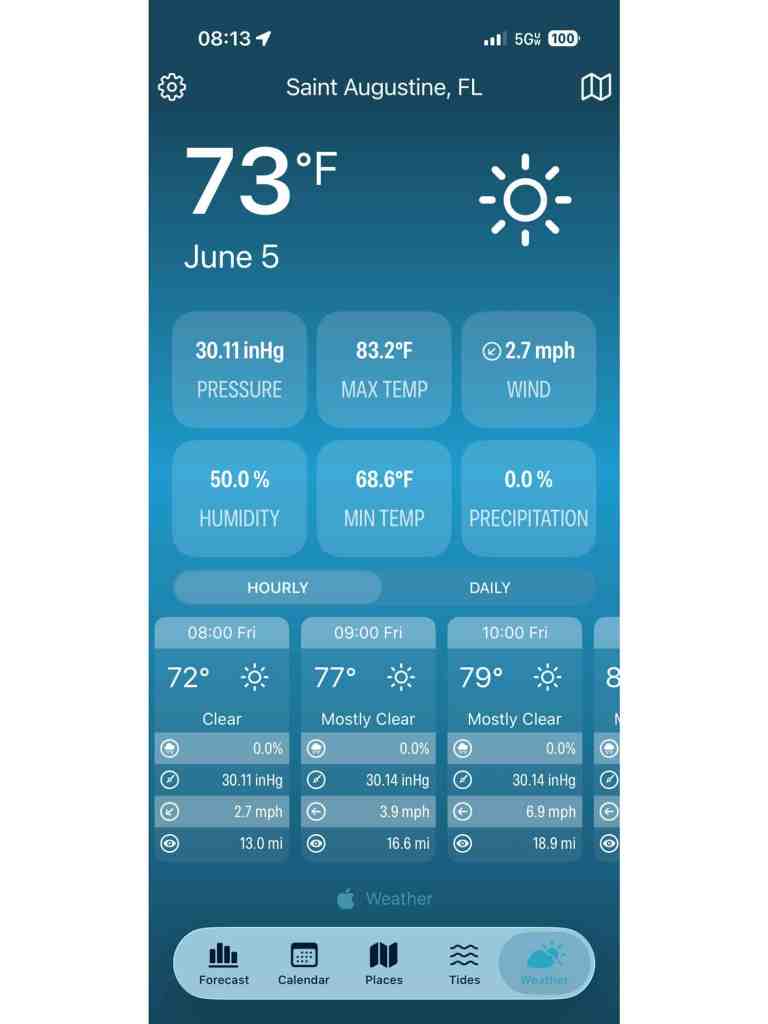
Most anglers check the wind forecast before a trip. Some check the tides. A few pay attention to moon phase. One of the most overlooked fishing tools is sitting right on the weather screen of your phone: barometric pressure.
What Is Barometric Pressure?
Barometric pressure measures the weight of the atmosphere pressing down on the earth’s surface. As weather systems move through an area, that pressure rises and falls.
For anglers, the trend is often more important than the number itself. A falling barometer generally signals an approaching weather system, while a rapidly rising barometer often follows the passage of a front.
Fish notice these changes long before we do.
Do Fish Care About Barometric Pressure?
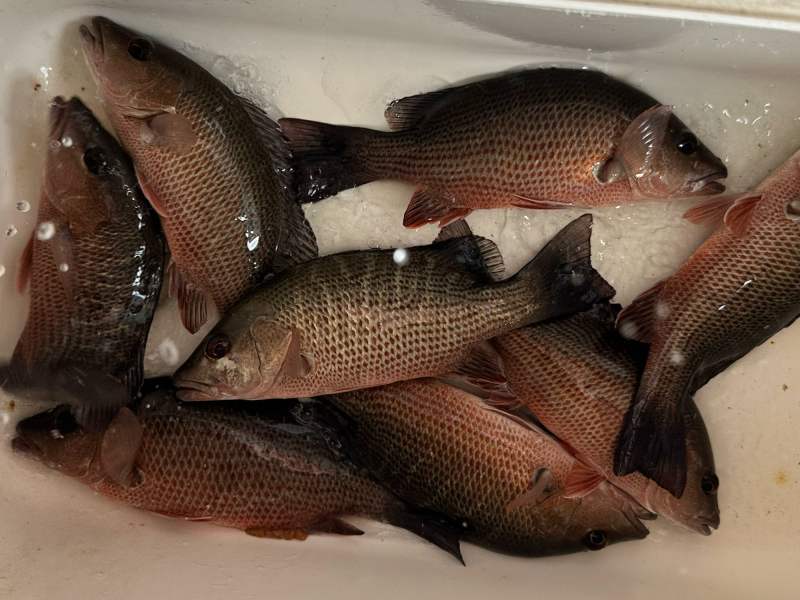
Fish behavior changes with changing barometric pressure. Scientists believe fish can detect pressure changes through several mechanisms, including their swim bladders. Species such as snapper have large swim bladders that help regulate buoyancy, making them particularly sensitive to changes in pressure.
That said, you don’t need a biology degree to benefit from the information. What matters most is understanding how fish behave when pressure changes.
In my experience, the best bites often occur when the barometer is falling from the 30.5 range. Once pressure begins climbing sharply after a front, fishing frequently becomes much tougher.
Fish Feed in Pre-Frontal Conditions
If there’s one lesson anglers should learn about barometric pressure, it’s this: fish often feed hardest before a front arrives.
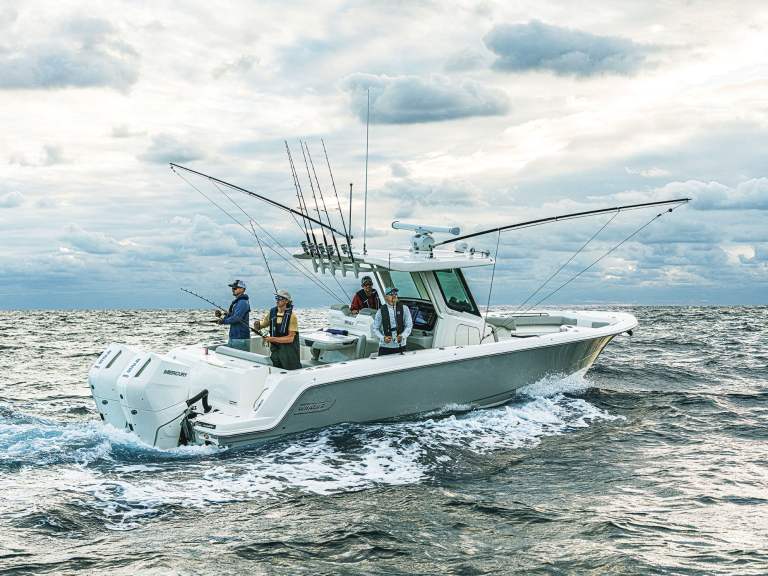
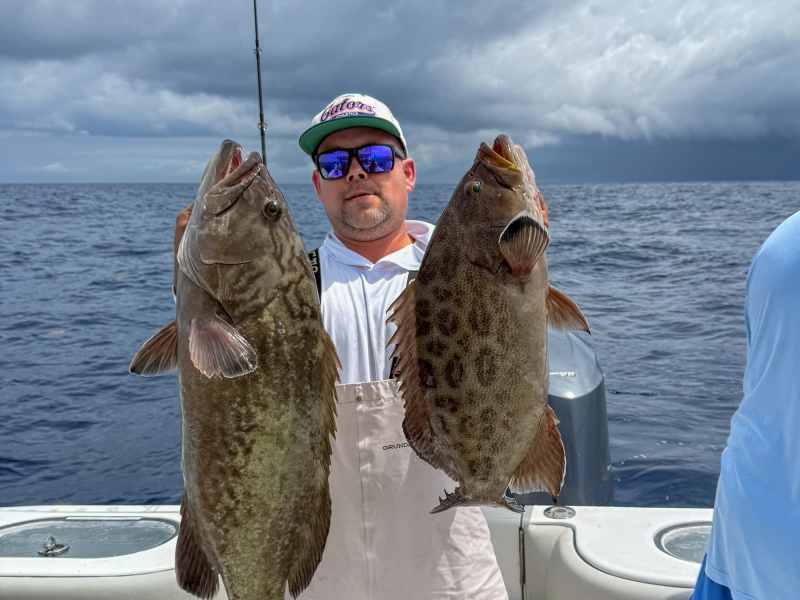
Many of my best offshore trips have occurred while watching dark clouds build on the horizon. The bite becomes aggressive, rods stay bent, and fish seem willing to eat just about anything.
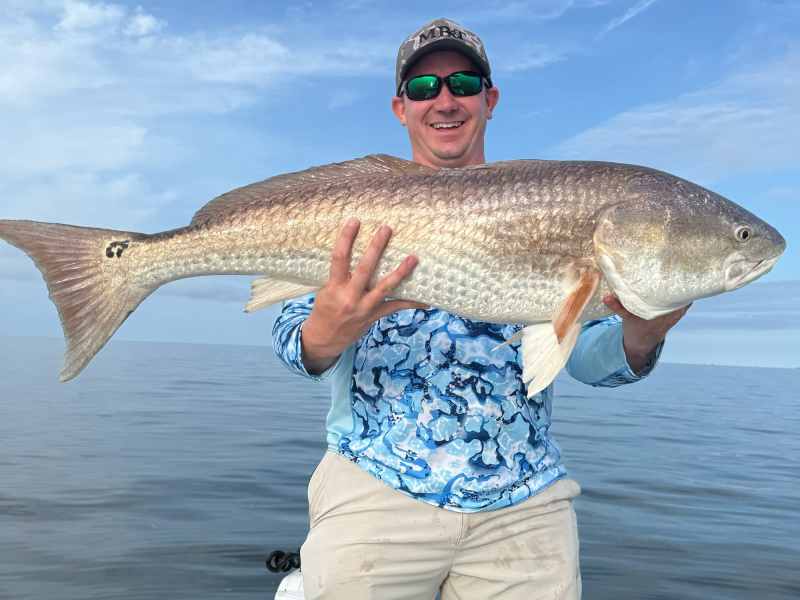
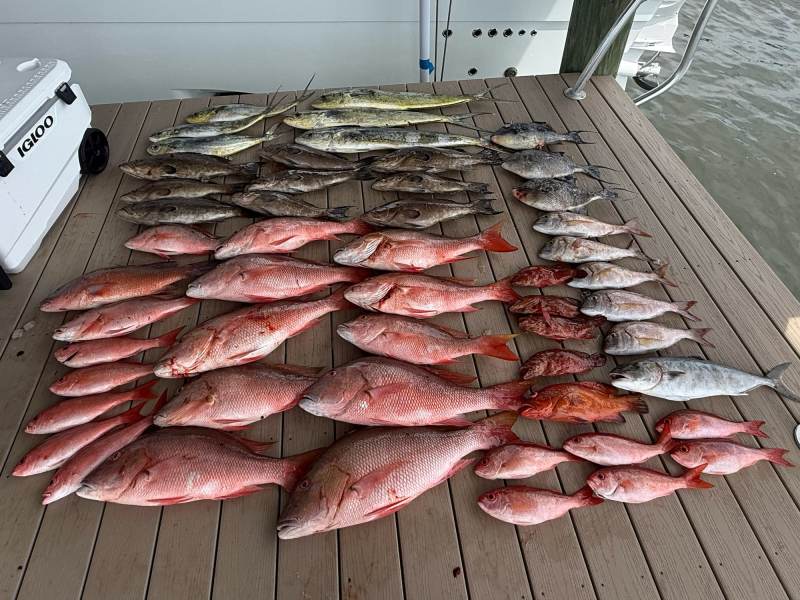
The key phrase is “before the front.” A falling barometer appears to trigger feeding activity in many species, from snapper holding in 120 to 180 feet of water to redfish and black drum cruising shallow flats. Fish sense changing conditions and take advantage of the opportunity to feed before weather deteriorates.
Sometimes the challenge isn’t finding fish—it’s deciding how long to stay before the storm arrives.
The Post-Frontal Lull
Every angler has experienced it. A storm passes through overnight. The skies are blue, the wind lays down, and the weather looks perfect. You launch the boat expecting an incredible day and spend hours wondering where the fish went.
More often than not, the answer may be sitting on the weather report. After a front passes, barometric pressure often rises rapidly. While conditions look beautiful above the surface, fishing can become surprisingly difficult. Fish frequently become less aggressive and may require slower presentations and more precise tactics.
The mistake many anglers make is assuming that comfortable weather automatically means excellent fishing.
High Pressure vs. Low Pressure in Fishing
Over the years, I’ve developed some simple guidelines. Pressure above 30.5 is generally considered high and often corresponds with slower fishing.
Pressure below 29.8 is generally considered low and is often associated with approaching weather systems and increased feeding activity.
The sweet spot isn’t necessarily a specific number, however. The trend matters more. A barometer falling toward 30.0 can often produce outstanding fishing. A barometer rising toward 30.5 can produce a slow bite. Capt. Chris Shultz of Fishjax charters likes a solid stable pressure just as much as falling barometric pressure.
Track the direction of the pressure, not just the number.
Fishing The Moon Phases
If barometric pressure is one of the most overlooked variables in fishing, moon phase is right beside it. Pressure trends and moon phase together can be powerful predictors of feeding activity. When a favorable moon phase aligns with falling pressure before a front, the results can be exceptional.
No weather variable exists in isolation. The best anglers combine pressure trends, moon phase, tides, wind direction, and seasonal patterns to build a complete picture.
Include Barometric Pressure in Your Logbook
The biggest mistake anglers make with barometric pressure is failing to track it. Most fishermen know when they caught fish. Very few know what the barometric pressure was when they caught fish.
Start recording barometric pressure alongside every trip log. Note whether it was rising, falling or stable. Within a season, patterns begin to emerge. You may discover that your best snapper trips consistently occurred during falling pressure. You might find that your best drum fishing happened two days before a front. The only way to know is to track it.
Fishing success often comes from recognizing patterns, and barometric pressure is one of the most valuable patterns available. The next time you check the weather forecast, don’t stop at wind speed and rain chances. Take a look at the barometer. It may tell you more about the upcoming bite than any fishing report ever could.