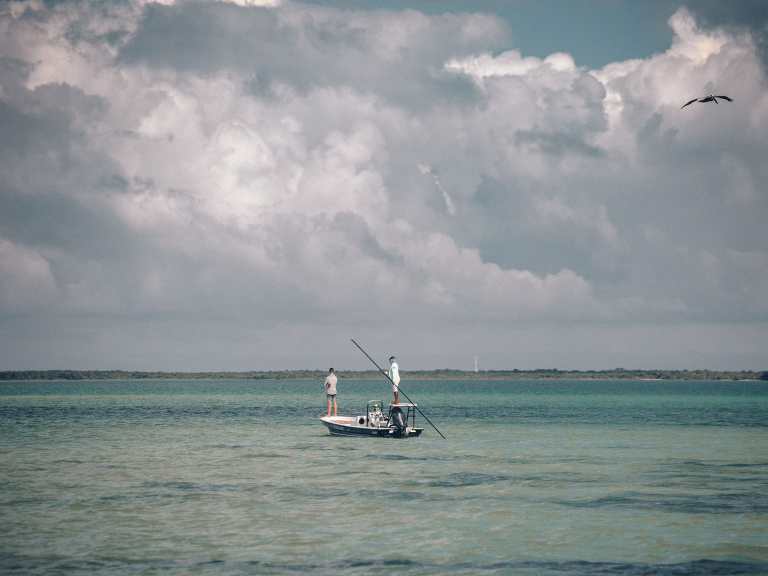
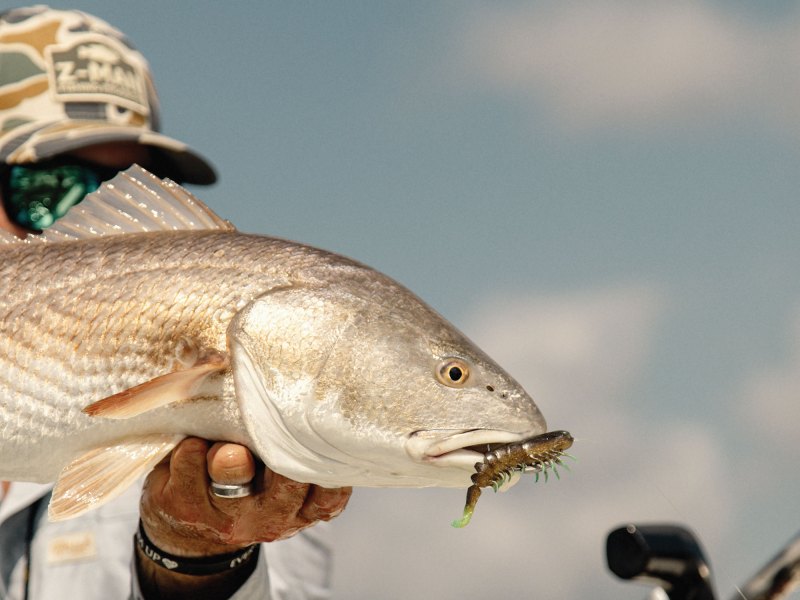
I face a conundrum when sight fishing for redfish in clear, shallow water. Finicky fish are spooked by the splash of a standard 1/4-ounce jig head on a 5-inch soft plastic, so I downsize to a 1/8-ounce jig and a 3-inch plastic. Normally, I use a baitcasting combo to quickly and accurately deliver my lure to wary redfish, but casting an ultralight lure requires a spinning rod, which is slower and less accurate. What can I do?
The answer is bait finesse systems, or BFS. These lightweight baitcasting rods and reels are optimized for casting light lures. While BFS tackle offers practical advantages for finesse fishing, many anglers are also taking their BFS set-ups into the salt just for fun.
What is BFS?
Bait finesse systems leaked out of Japan more than a decade ago and became one of the hottest trends in freshwater fishing. Now anglers are experimenting with baitcasting tackle and light lures for inshore targets.
According to Jimmy Ly, host of RaWrFishing on YouTube, the definition of bait finesse systems is limited to the original Japanese master, professional bass angler Yukihiro Sawamura, who used a shallow-spool baitcasting reel and fluorocarbon line to work finesse lures in heavy structure.
Outside that strict definition, Ly says anglers have adapted BFS tackle to fish light lures for a variety of species. “I love the idea of shallower spools for braided fishing lines,” he says. The wide, shallow spool releases more line on each rotation to cast a light lure without causing a tangle. Loading the reel with 6- to 10-pound-test polyethylene (PE) braided line provides line capacity to chase down a big fish.
To maximize casting distance, BFS reels use precision casting brakes, bearings and shaft. When fighting a big fish, a clicker on the drag indicates when the fish pulls line off the reel so the angler can adjust the pressure he applies through the fight.
On the BFS rod side, Ly stresses that BFS isn’t synonymous with ultra-light. He chooses a rod with power and action to match the fishing situation. However, a BFS rod is designed to cast a light lure with a steady lob instead of a quick whip of the rod tip. “Casting with too much force could snap the light line,” Ly points out. Just like the precision reels, a BFS rod is carefully designed to provide responsive casting with a light lure and forgiving power to beat a big fish with light line.
Ly says a BFS combo is highly efficient, accurate, and lighter with a faster gear ratio. “It’s also a lot of fun,” he adds. The excitement of targeting big fish with BFS tackle is winning over freshwater anglers and gaining followers in the salt.
Systems Check
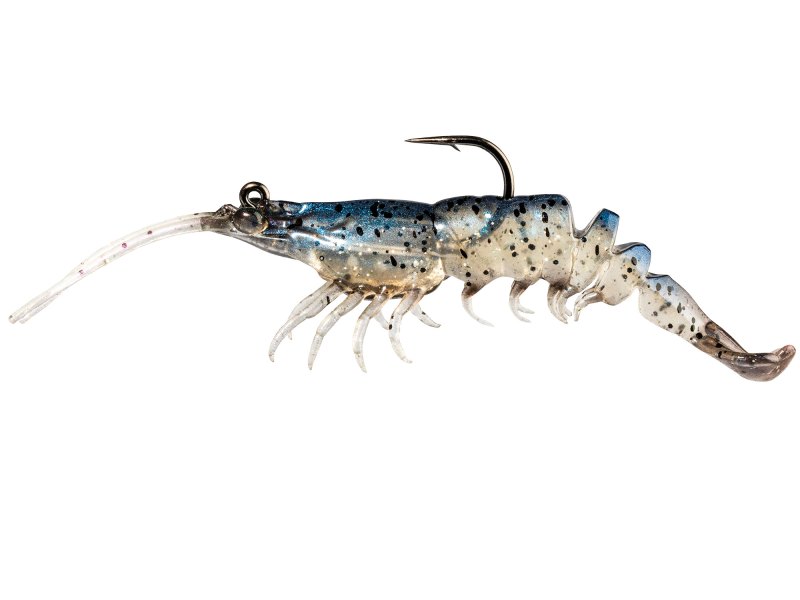
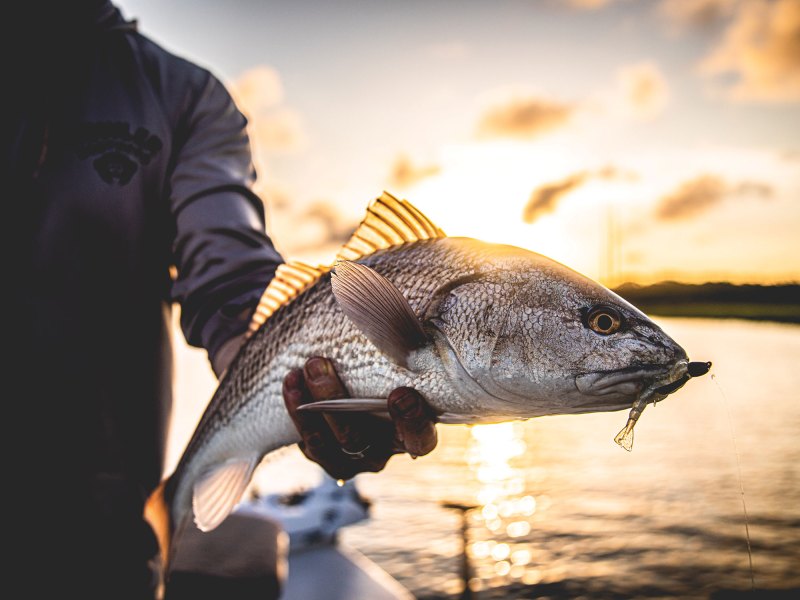
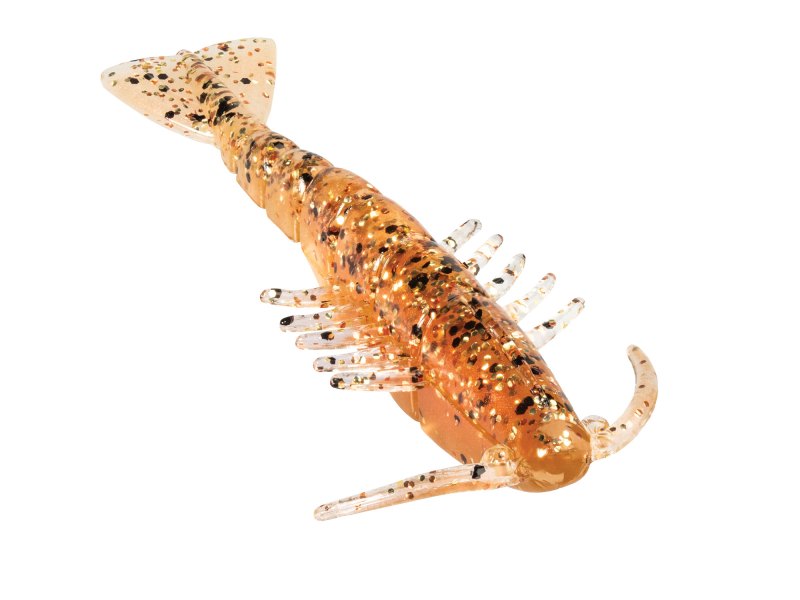
I started using BFS tackle out of necessity. When the water is cold and redfish are lethargic, the fish key in on small soft plastics. Before I discovered BFS, I used a light-action spinning rod and 10-pound braided line to cast a 1/8-ounce jig head with a 3-inch Z-Man DieZel MinnowZ.
However, a spinning reel requires a couple seconds and both hands to loop my finger over the line, open the bail and pitch the lure. By the time I made the cast, the redfish sometimes spotted me and escaped.
Bait finesse tackle allows me to quickly pitch lures to unaware fish. For pinpoint casting accuracy, I stop the line with my thumb and drop the lure in range of a cautious red. When the fish darts out and attacks the lure, I clamp my thumb on the spool and set the hook with authority.
I’ve only been fishing BFS tackle in saltwater for one season, and I’m still finding new ways to use the tackle. To fish for speckled trout in deep water, I use my BFS combo to work a 1/8-ounce HeadlockZ jig head and a 5-inch Zoom Super Fluke up current and bounce it off the bottom as it drifts towards me. The baitcasting reel allows me to feed out line and keep the light lure on the bottom.
Southeast Skinnies
As my curiosity grew, I reached out to friends across the country for tips on using BFS in salt. Capt. John Irwin of Fly Right Charters in Charleston, South Carolina, has been experimenting with Shimano’s Curado BFS combo on redfish and speckled trout in the South Carolina Lowcountry. “Trying to throw a lure with the wrong rod will lead to a mess all day,” he says. Using a BFS reel and matching rod allows Irwin to fish light lures in clutch situations.
When reds and specks emerge from the winter doldrums, they are super skittish. “The splash from a 1/4-ounce jig spooks the whole school of redfish,” Irwin points out.
Instead, Irwin fishes a 1/8-ounce jig head and 3.5-inch soft plastic with 8-pound-test PowerPro braid and a 16-pound-test fluorocarbon leader. The baitcasting reel allows him to hit distant targets with a light lure.
BFS tackle comes in handy targeting early season speckled trout. Irwin rigs an unweighted, weedless soft plastic to work super slowly through the grass beds. “Trout don’t like too much popping and jigging,” he says. The light lure and thin line allow him to dead-stick the rod and let the current move the lure.
Northeast Ned
Jimmy Ly fishes BFS tackle in the New Jersey backwaters. “I’ve had success jigging for flounder with a 1/6- to 1/8-ounce Ned jig and small soft plastics,” he says. He explores shallow creeks, channels and marsh lines by slowly working the lure along the bottom.
In the surf, Ly pairs his BFS reel with an 8-foot rod. “I use smaller lures to target heavily pressured fish,” Ly says. He likes a 1/8-ounce Texas Eye jig head with a 3.5-inch Scented Jerk ShadZ soft plastic.
Borrowing from the largemouth bass world, he also free rigs a 2.75-inch X Zone Scented Stealth Craw on a swivel-eye weedless hook behind a small sliding weight. The key is slowly hopping the lure across the bottom.
West Coast
Daiwa R&D coordinator Jordan Horita turns to BFS tackle for fishing San Diego bays for halibut, spotted bay bass, sand bass and yellowfin croaker. “I throw lighter lures, and BFS tackle allows me to finesse fish,” he says.
He pairs the reel with a light to medium-light action rod with 8-pound-test braid and a 6-pound test fluorocarbon leader. “To fish heavy structure covered with mussels and barnacles, I bump up to a 15-pound-test leader,” he says.
Horita uses BFS tackle to accurately cast 1/4- to 1/8-ounce jigs to boat docks where fish hide. He also uses the light set-up to drop small 5- to 10-gram slow-pitch jigs around deep structure.
BFS tackle offers Horita greater accuracy and line control with smaller lures. “Not many people are using BFS tackle, so it gives me an advantage.”
Read Next: Five Considerations for Saltwater Baitcasters
“F” Stands for Fun
Bait finesse system tackle offers distinct advantages for light-tackle sight-fishing and targeting finicky fish, but the trend is really gaining traction because catching fish with a light lures and a baitcasting rod is a lot of fun.
On the freshwater side, BFS has become a cult comparable to fly-fishing or throwing poppers to bluefin tuna. Jimmy Ly admits, “There aren’t a lot of practical advantages to fishing BFS, it’s just more fun.” Ly’s YouTube channel is mostly devoted to BFS tackle and tactics. BFS fanatics geek out on spool sizes and rod actions to match the lures and fish they target. “It’s almost more of a fashion trend,” he laughs.
Capt. Irwin has clients request baitcasting gear. “Some of my customers like using baitcasting tackle because it is more exciting,” he says. Even with the advantages of the shallow spool and precision- tuned reel, casting a 1/8-ounce jig with a baitcasting reel takes skill. Experimenting with casting brake settings, line-diameters and fishing rod actions adds an extra challenge to fishing.
For Jordan Horita, BFS tackle allows more control with small lures, but the primary objective is having more fun. “Most of the fish I catch in the local bays aren’t very big, and BFS allows me to match the tackle to the size of the fish,” he says.
Ly puts it this way. “Even if there aren’t a lot of benefits to BFS tackle in salt water, it is a whole lot of fun.” Just like fly-fishing or light tackle adds a higher level to the sport, BFS tackle makes targeting smaller fish a bigger challenge. Ly says, “A lot of people write off the fun aspect of fishing, but that’s what it’s all about.”
BFS Tackle Box
West Coast Bays
- Rod: Daiwa PX
- Reel: Daiwa PX 70 BFS
- Line: 6-pound X Braid x8 Finesse
- Leader: 8-pound Daiwa Samurai Fluorocarbon
Southeast Redfish and Speckled Trout
- Rod: Poison Adrena 1610 LBFSB
- Reel: Curado BFS
- Line: 10-pound Power Pro
- Leader: 16-pound fluorocarbon leader
Northeast Backwaters
- Rod: 7-foot Jenko Double Down BFS
- Reel: Daiwa Salamandura Air TW
- Line: 0.8 Gou braided line