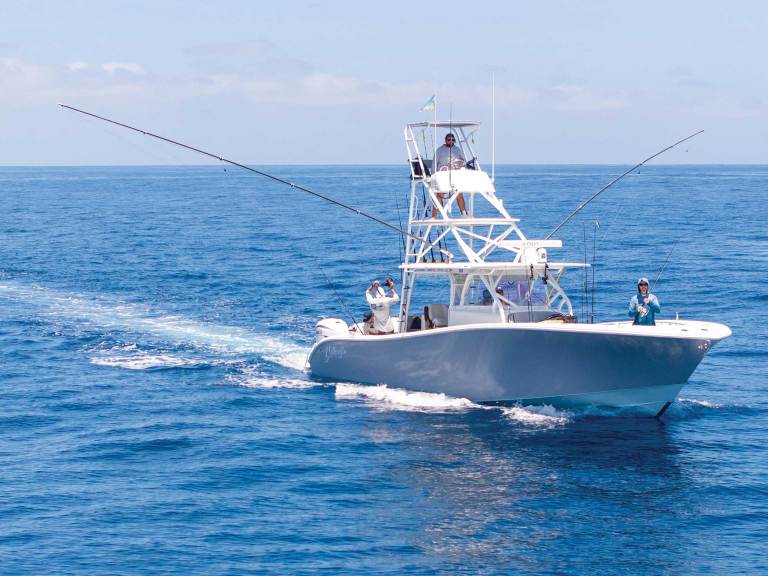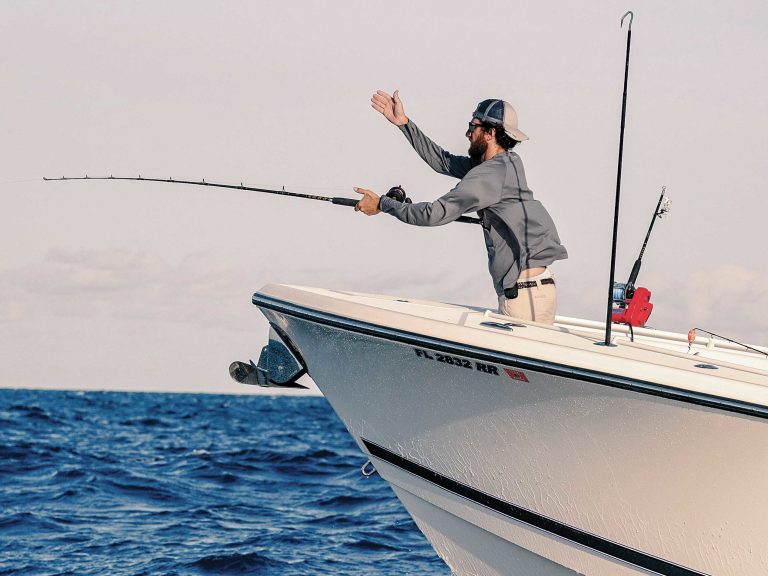
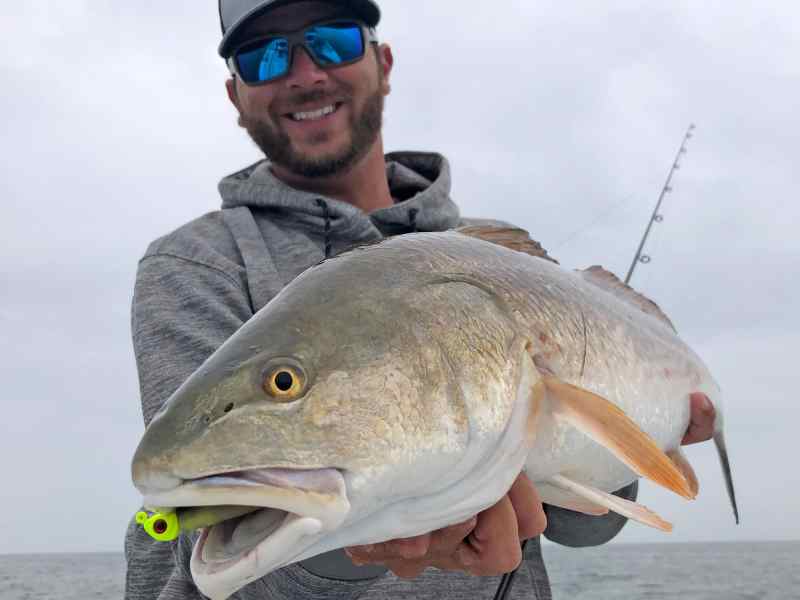
When winter appears on the horizon, fishing activity in a number of coastal inshore fisheries begins to wind down. In some locales, the inshore action heats up once winter arrives. Once such location is the Lower Laguna Madre at the very southern tip of Texas. This shallow, hypersaline bay offers an amazing array of fly fishing and light-tackle inshore angling opportunities from Thanksgiving through Valentine’s Day.
Undoubtedly as anglers shivering through a winter snowstorm in northern climes consider a tropical escape, Texas probably isn’t the first destination that enters their minds. However, located on latitude 26 – roughly the same as Miami, Florida – South Padre Island, Port Isabel and the waters of the Lower Laguna Madre, which separate the two towns, are relatively warm year-around and offer excellent shallow-water fishing opportunities even during the dead of winter.
A Different Type of Texas Fishing
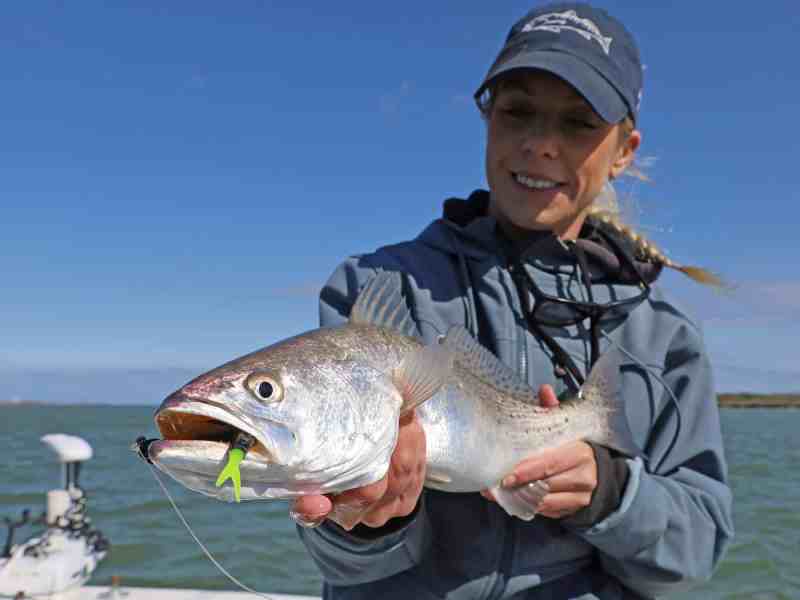
During December, January and February, light-tackle anglers and fly fishermen enjoy plenty of action from an array of inshore species, including redfish, spotted seatrout, black drum, and flounder on the flats, as well as snook, mangrove snapper, and juvenile tarpon in the port areas. Best of all, fishermen traveling to Texas’ southernmost bay, which is located less than a dozen miles above the Mexican border, will find few crowds and plenty of water in which to spread out.
When I first moved to the Lower Laguna Madre in the mid-1990s, I had a completely different idea of winter fishing. Having grown up along the upper Texas coast, winter fishing to me meant one of two things – wading waist deep in mucky, muddy bottom flats while casting for big speckled trout or fishing out of the boat in deeper water areas, such as around mid-bay reefs or up coastal rivers. Both of these pursuits involved bundling up and, often times, being miserable.
My first winter in deep South Texas clued me in to just how different the fishery is than the rest of Texas inshore waters. During those early days, I recall fishing with my guiding mentor Capt. Steve “JR” Ellis and him showing me how unbelievable sight-casting on the shallow flats could be during winter. Between those skinny water forays, we would mix some trips in “up the ditch” to the Brownsville Ship Channel to tangle with snook, mangrove snapper, and whatever else was willing to eat our lures and flies on any given day. While much about the surrounding areas has changed in the decades since, those fishing opportunities – and many others – are still viable wintertime options in the Lower Laguna Madre.
Winter Conditions in Deep South Texas
The other thing that struck me early on about winter fishing in Texas’ southernmost bay was we were often able to do it in shorts. As fall faded to winter during my first year of living there, I vividly recall watching front after front stall out before reaching the Rio Grande Valley.
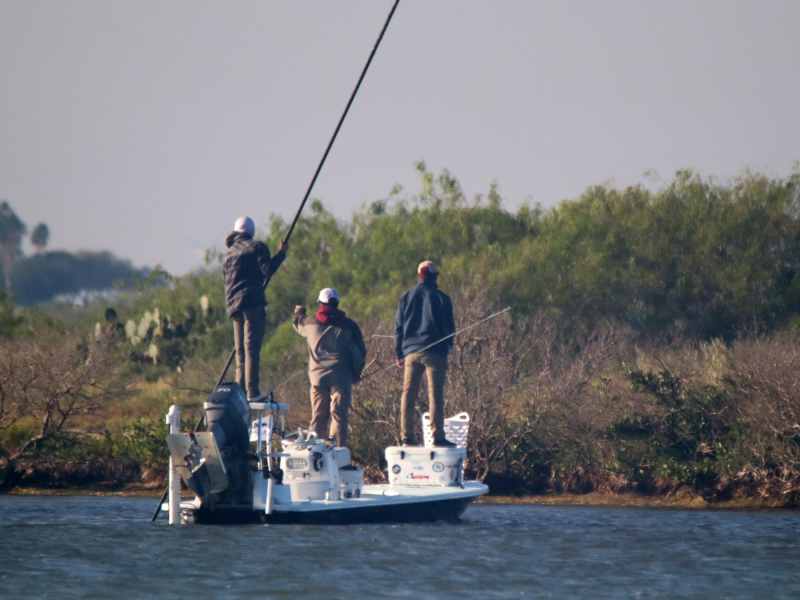
That’s not to say fronts don’t make it down to the tip of Texas – they do. During three decades of living there, I experienced freezes, ice storms, and even snow. So, make no mistake, it can get cold. However, it’s not extremely common, and when it happens the chill rarely lasts long. For example, two days after the Christmas 2004 snow event, which, incidentally, was the first ever recorded on South Padre Island, we were catching loads of speckled trout and redfish on the flats on a sunny afternoon.
Most winters in Deep South Texas are overall warm, with average highs being in the low- to mid-70s, accented by brief periods of colder weather brought by passing fronts. As winter wears on, the fronts typically fall into a predictable pattern.
Generally speaking, there will be a period of warm, calm days between fronts. As a front approaches, the wind will build from the south or southeast and then shift to the north as the front passes. Of course, this year, given the historically strong El Nino event that is predicted to bring below-average temperatures to Texas, the cool periods could be more frequent. Regardless of how often fronts pass through, the key is to take advantage of each stage of the winter weather pattern to maximize fishing opportunities.
Sight-Fishing Texas Flats
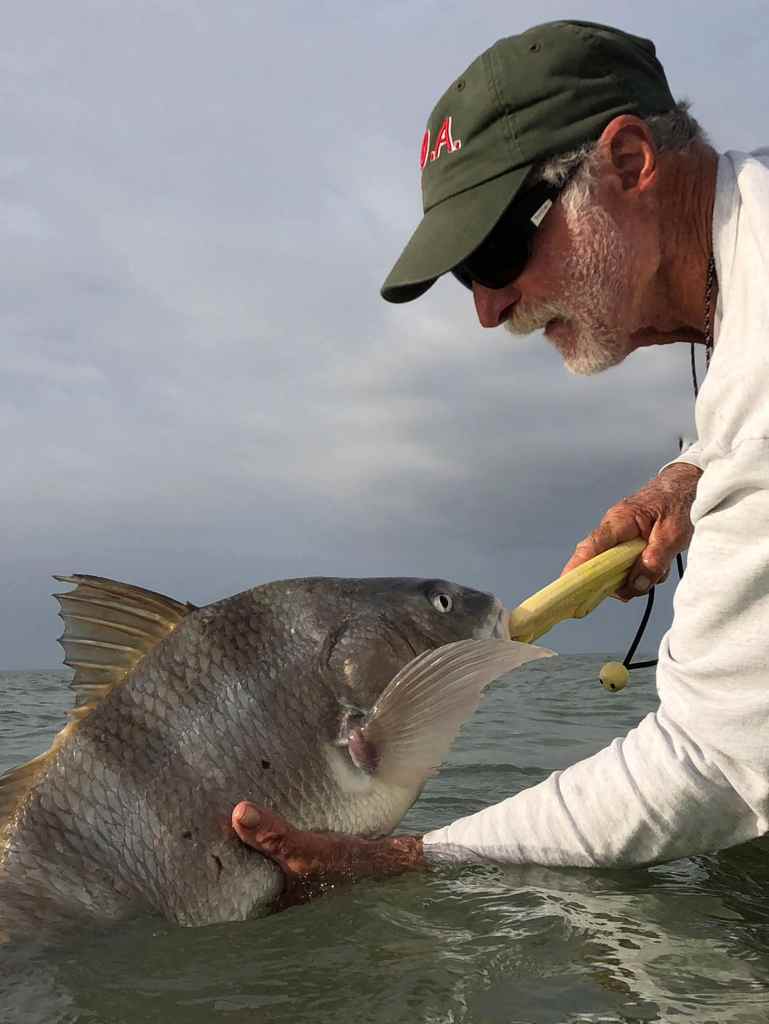
Without a doubt, one of the more incredible experiences to be had in the Lower Laguna Madre (LLM) during the winter season is flats fishing on those relatively calm, low-pressure days between fronts. When the sun is shining on these days, sight-casting on the shallow, clear flats that make up the majority of this long, narrow bay can be otherworldly. Fly fishermen armed with shrimp patterns and light-tackle anglers tossing 4-inch DOA Jerkbaits, MirrOlure Lil’ Johns, or similar soft-plastics can score a mixed bag of species on the flats during winter.
Redfish are the most common target for sight-casting light-tackle anglers and fly fishermen. However, the LLM is known for producing some of the biggest speckled trout in the country, and it is not unusual at all to see a sow speck “sunning” in skinny water on a winter afternoon. Black drum are typically considered a bonus species, but are regularly found rooting around on muddy or mixed bottom flats this time of year. In fact, a large patch of dirty water in the middle of an otherwise clear flat is typically a dead giveaway drum are actively feeding.
Flats fishing on overcast days can be just as exciting, if less visual. While the clouds do make sight-casting a bit more difficult, the limited visibility can actually make the fish on the flats less skittish and more apt to bite. In these conditions, drifting or wading the flats and blind casting topwaters, soft-plastic jerkbaits or gold spoons will result in a mixed bag of redfish and solid specks. Anglers looking for trophy trout relish these overcast conditions and focus their efforts on the edge of the flats, nearer to deeper water, throwing big jerkbaits, slow-sinkers, and topwaters.
Pre-Frontal Redfish, Black Drum and Flounder Fishing
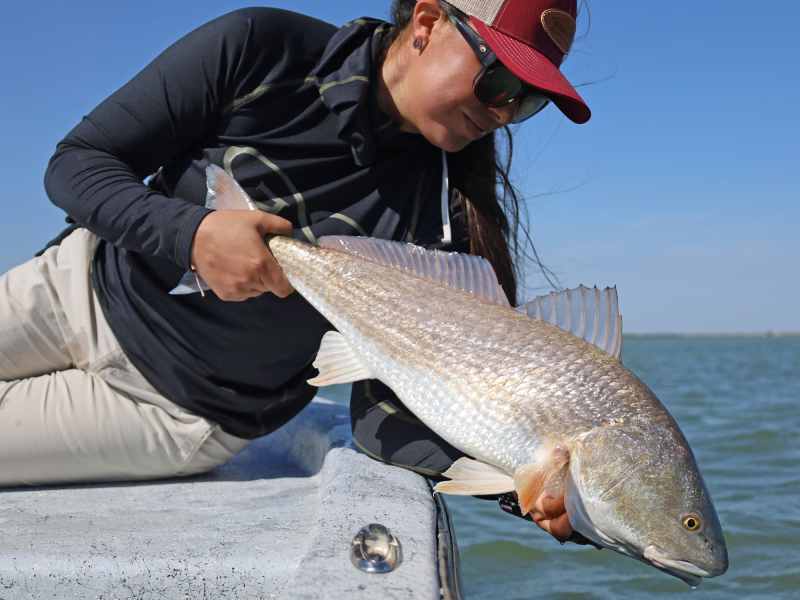
As an approaching front moves closer and the southerly wind begins to build, many of the local redfish fanatics are anxious to hit the water. That’s because redfish tend to get very active along wind-blown sand bars, humps, and mangrove shorelines under these conditions. Natural bait fishermen will often chunk cut mullet or ladyfish on bottom. However, reds will also inhale soft-plastic paddletails, gold spoons and topwaters on days like these.
It is not unusual to find black drum and flounder also feeding in these areas as a front approaches. Each of these species is partial to live shrimp or soft-plastic jigs bounced along the bottom. Scented plastics or jigs tipped with FishBites or bits of dead shrimp can give you an edge with these fish.
Big trout will also go on a heavy feed when a front is imminent. Narrow flats sandwiched between spoil islands and channels are ideal locations to look for top-end trout in these conditions. The best bet for tempting a big trout is to find a likely location and stay there, working it thoroughly with topwaters, slow-sinking plugs or jumbo soft-plastics. Once a front passes, not only does the temperature dip, but so does the water level. This can make running the flats a bit more challenging, as many super shallow areas will be completely dry. But, it can also make finding fish extremely easy, as they will be stacked up in areas such as old gas well service channels that bisect or run alongside the flats, as well as the few deepwater areas found in this shallow bay.
Texas Snook Fishing
Of course, during the winter, anglers can also forgo the bay entirely and head up the ship channel to the Port of Brownsville. This can be a productive excursion under any weather conditions, but it’s also a great way to escape the strong winds on either side of a front. Regardless of the weather, anglers can expect to encounter a wide variety of species in the port area.
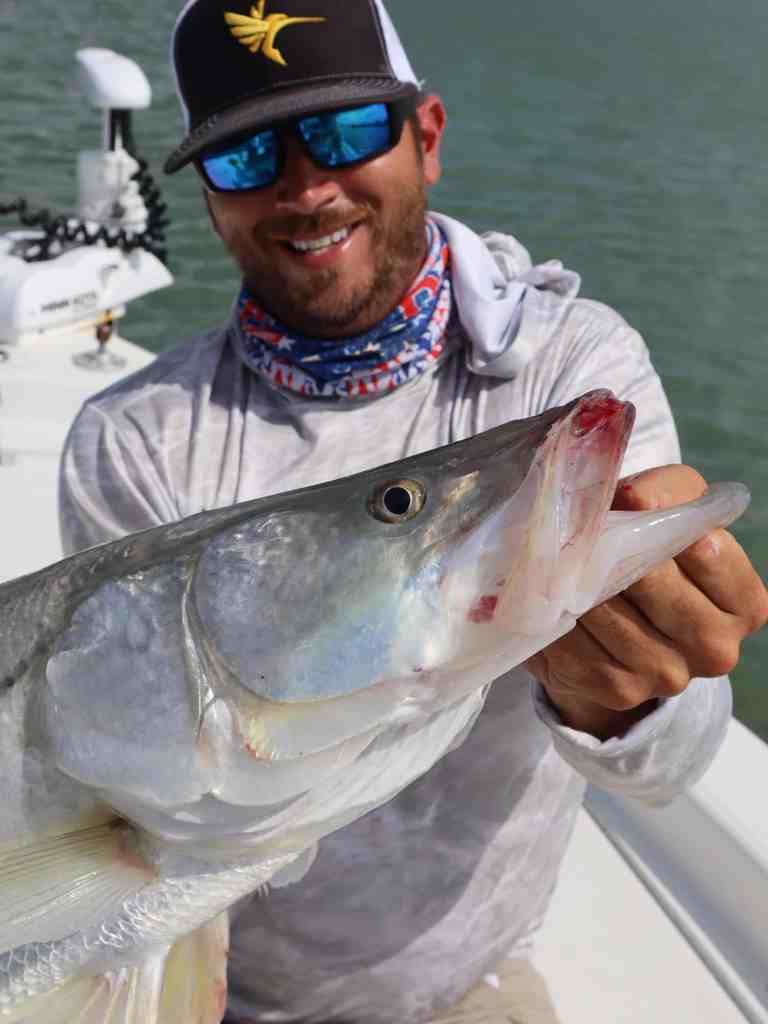
The top target for most fishermen heading up the ship channel during winter is snook. Linesiders in South Texas are actually much more common – and larger – than many anglers realize. Winter is perhaps the best time to pursue them, as they are concentrated in the deeper water of the port and ship channel. It is very possible to have days catching double-digit numbers of fish between 24- and 36-inches.
On warmer days, these fish will often gobble topwaters tossed along the shorelines, around drains or near standing structure. However, the best for getting good numbers of good-size snook is to freeline jumbo shrimp or finger mullet or toss heavily weighted soft-plastics. DOA 3.5-inch paddletails and 4-inch jerkbaits paired with ½- to 1-ounce heads are popular choices. Fly fishermen can do well with patterns such as Game Changers, Cheat Codes, and Clouser Minnows.
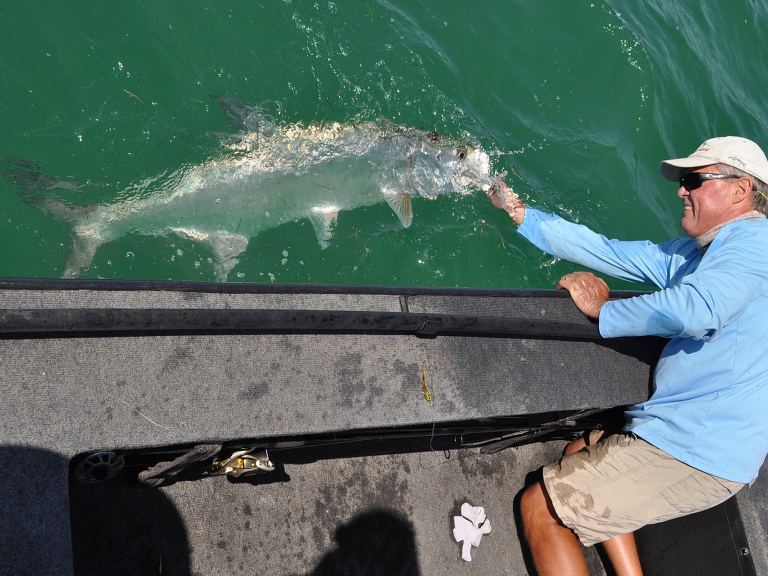
While fishing these same lures and baits for snook, anglers will typically pick up “incidental catches” such as speckled trout, redfish, black drum, mangrove snapper and flounder. There is also a decent population of juvenile tarpon residing in the port year around and roving schools of giant jacks are frequently spotted on the surface during sunny afternoon hours.
Regardless of whether fishing the flats of the Lower Laguna Madre or the adjacent deepwater port areas, the Texas tropics are a perfect winter escape for light-tackle anglers and fly fishermen. Beyond just getting a break from brutal winter weather, a trip to deep South Texas offers anglers an opportunity to target a variety of species and perhaps even get that fish of a lifetime.
Guided Fishing in Port Isabel and South Padre Island
- Capt. Brian Barrera: www.inshorefishingsouthpadre.com; (956) 755-9413
- Capt. Eric Glass: (956) 434-1422
- Capt. Ernest Cisneros: (956) 266-6454
- Capt. Trevor Kucia: (956) 720-7421
- Capt. Austin Camacho: www.austinsfishingandhuntingguideservice.com; (956) 343-5816
- Capt. Xavier Lopez: (956) 244-3829
How to Get to Lower Laguna Madre Fishing
Getting to Port Isabel/South Padre Island is relatively easy, but some driving is necessary. The Brownsville/South Padre Island International Airport is about 30 minutes south of the area. From Brownsville, the simplest driving route is to take US Hwy 48 to Port Isabel, then turn right on State Hwy 100, which will take you into Port Isabel as well as across the Queen Isabella Memorial Causeway to South Padre Island.
Another major airport is Valley International Airport in Harlingen, some 45 minutes away. Whether flying in and renting a car at the airport or driving down from anywhere north of deep South Texas, anglers must pass through Harlingen via US 77 South to the State Hwy 100/South Padre Island exit. From that point, follow State Hwy 100 east for 21 miles and you find yourself in downtown Port Isabel.