
Carrying as much fuel as possible ranked as one of my most devout boating beliefs, especially in the days of two-stroke outboards and heavy, overbuilt offshore hulls. I thought I could never have too much fuel capacity—that extra fuel would help me run farther offshore, extend my day and catch more fish.
While greater range is no doubt a benefit of carrying extra fuel, a recent fuel-tank retrofit project on my boat led to an epiphany and a reevaluation of that thinking.
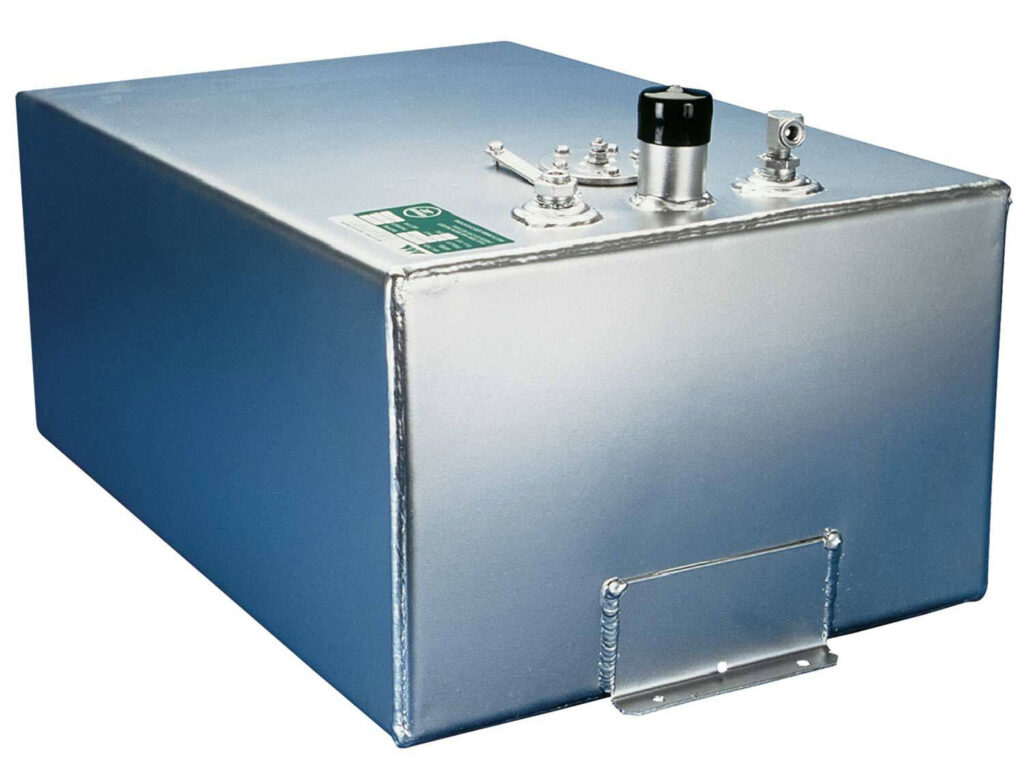
The old aluminum fuel tank in my 22-foot center-console had begun to leak, so a couple of years ago, my youngest son and I drained and tore out the old 88-gallon tank.
True to my old form, I wanted to go bigger, but I discovered that the new tank design, once built, held 10 gallons less fuel—an 11 percent drop in capacity from the old tank. A tad disappointed, but otherwise pleased with the outcome, we put the 22-footer back to work, and an odd thing happened. My disappointment faded. The more time we put in with the new fuel tank, the less I thought of having more fuel capacity.
Unlike the “old days,” we now return from fishing 40 miles offshore with plenty of fuel, usually more than half a tank. What’s more, we have not yet violated the rule of thirds—one-third to get out, one-third to get back and one-third in reserve.
Why the change? Today’s marine technologies have improved efficiency, thus minmized the need for the insanely massive fuel capacities sometimes provided in saltwater fishing boats. That 22-foot bay boat you’re considering doesn’t need more than a 65-gallon fuel tank. And you may never come close to using the entire 165 gallons in the new center console you’re checking out. Here are five reasons why you might not need as much fuel capacity as you think you needed in the past.

Stingier Outboards
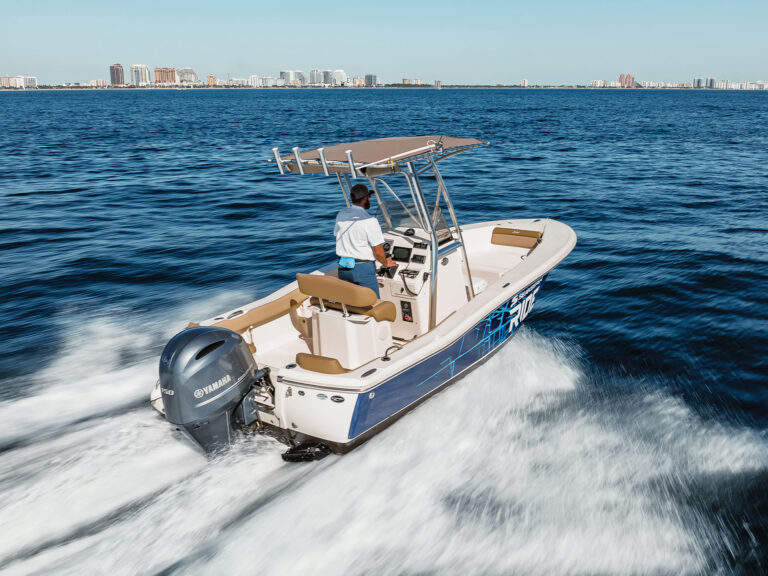
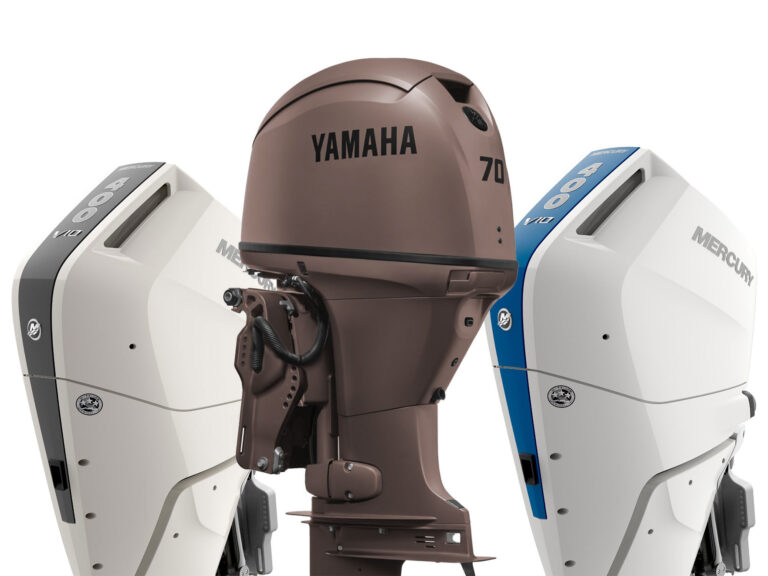
Fuel-injected four-stroke outboards are a lot more fuel efficient than the carbureted two-strokes that dominated the market when I bought my saltwater fishing boat in 1986. The old two-stroke outboards were particularly thirsty at offshore trolling speeds of 7 to 10 knots, forcing me to carry as many as four 5-gallon fuel cans on deck to extend our time on the water. By comparison, today’s four-stroke models sip fuel thanks to features such as variable valve timing and lean-burn technology, minimizing the need to carry an inordinate amount of gas. That eliminates the safety concerns of carrying fuel cans on deck and lightens the weight of the boat.
Lighter Construction
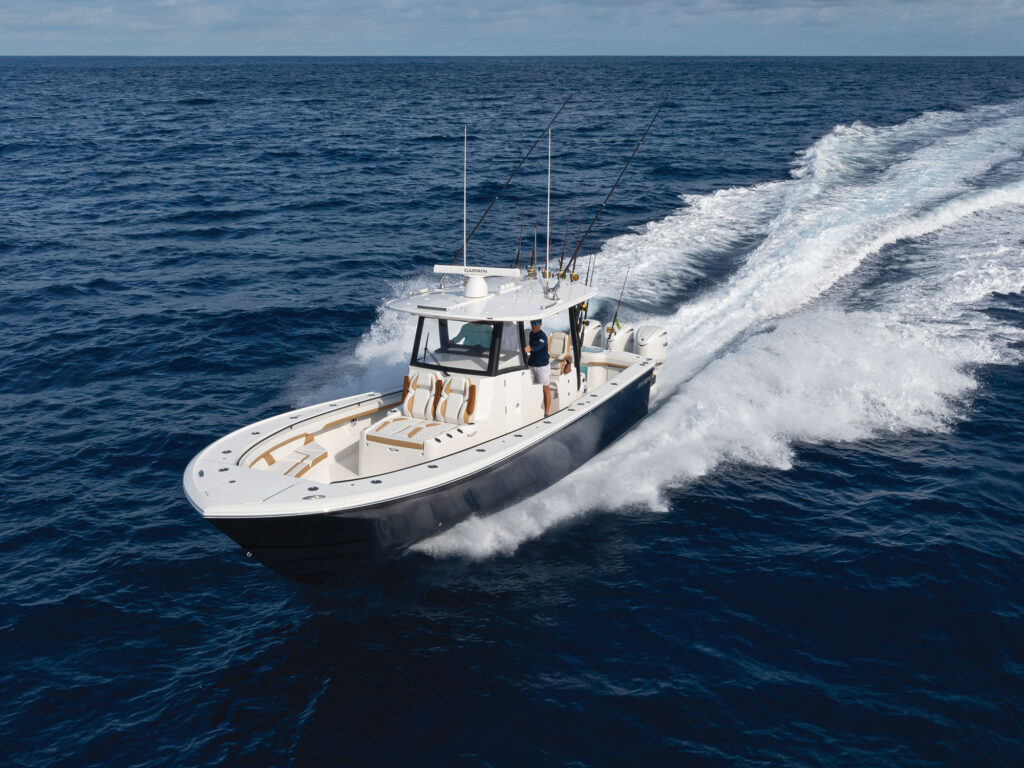
Many of today’s fiberglass boats weigh less than comparable models of yore, thanks to advanced boatbuilding technology, including lightweight coring materials (versus wood), lighter and stronger fiber materials such as Kevlar and carbon fiber, and vacuum-resin-infusion processes that eliminate excess resin. New boats are just as strong and durable as ever, maybe more so. Because they’re also lighter—all other factors being equal—you don’t need as much fuel to go the same distance as in the past.
Efficient Running Surfaces
Computer-aided design and virtual testing has resulted in slipperier hull surfaces. This includes the increasing use of step-hulls, as well as ever-improving design methods, and virtual testing of running surfaces before production begins. As a result, boats skim the water with greater efficiency than ever, and again burn comparatively less fuel than older models.
Dynamic Trim
Advances in automatic attitude-control technology are also increasing efficiency. A notable example is Seakeeper Ride, which I recently installed on my boat. Instead of using a heavy hand in deploying trim tabs—which increases drag and reduces efficiency—the Ride system responds with blinding speed to bring the bow down to slice through a wave then immediately lets the bow rise between waves to cruise more efficiently. As a result of the Seakeeper Ride system, my boat cruises more comfortably and burns 9 to 10 percent less fuel in choppy seas. Other brands that offer high-speed dynamic trim control include Bennett Marine, Lenco and Zipwake.
There are also automatic engine trim control systems from outboard brands such as Mercury Marine, Suzuki Marine and Yamaha Marine that improve fuel economy by keeping the engine at the optimum angle for efficiency.
Less Fuel, Less Weight
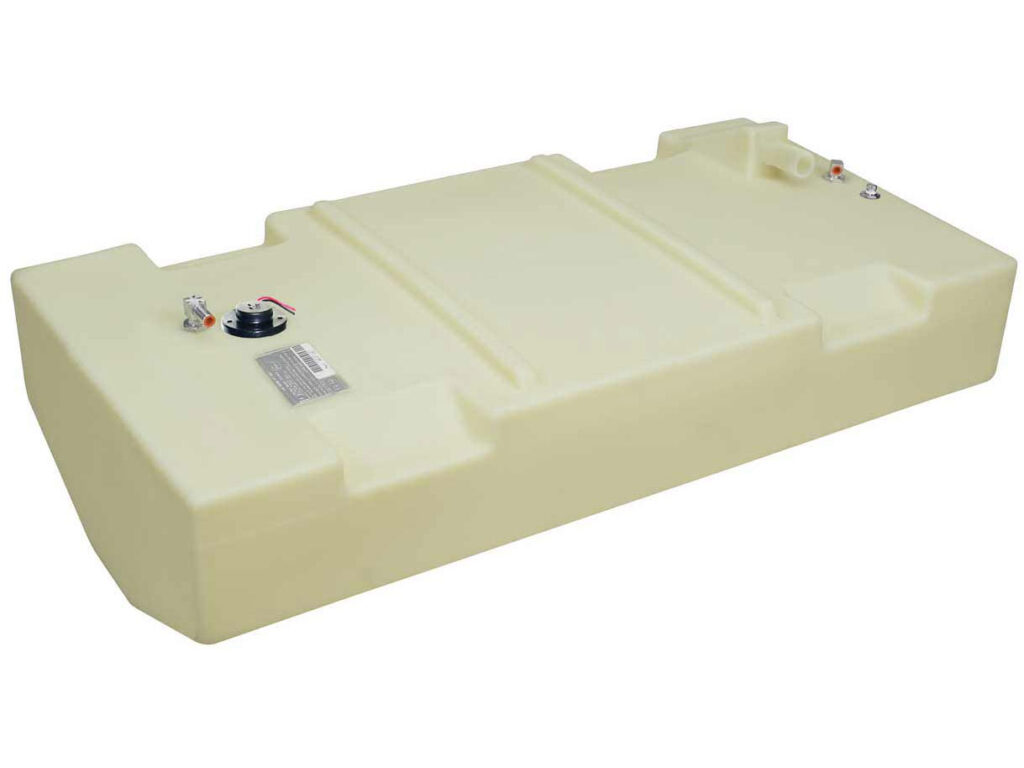
Carrying less fuel is a bit of self-fulfilling prophecy when it comes to fuel efficiency. For example, my boat lost 60 pounds with the smaller tank that carries 10 gallons less fuel when full, and as I pointed out, the lighter your boat becomes, the less fuel—and money—you will burn through.
As the tank empties, the boat also picks up speed. For example, in Formula 1 racing, the best track speeds are set after these state-of-the-art cars have put in a few laps and burned off some fuel. While my 22-foot center console hardly compares to the technology in an F1 racer, the same laws of physics apply to both. For this reason, I don’t always carry a full tank of fuel. On days when it’s just a short run to and from the fishing spots in my game plan, I’ll cut back on the amount of fuel I put in the tank. But at the same time, I keep the safety of my crew in the forefront and always adhere to the rule of thirds mentioned earlier when deciding how much fuel to carry. If in doubt, I err on the side of extra fuel, as you can always use it on the next fishing trip.