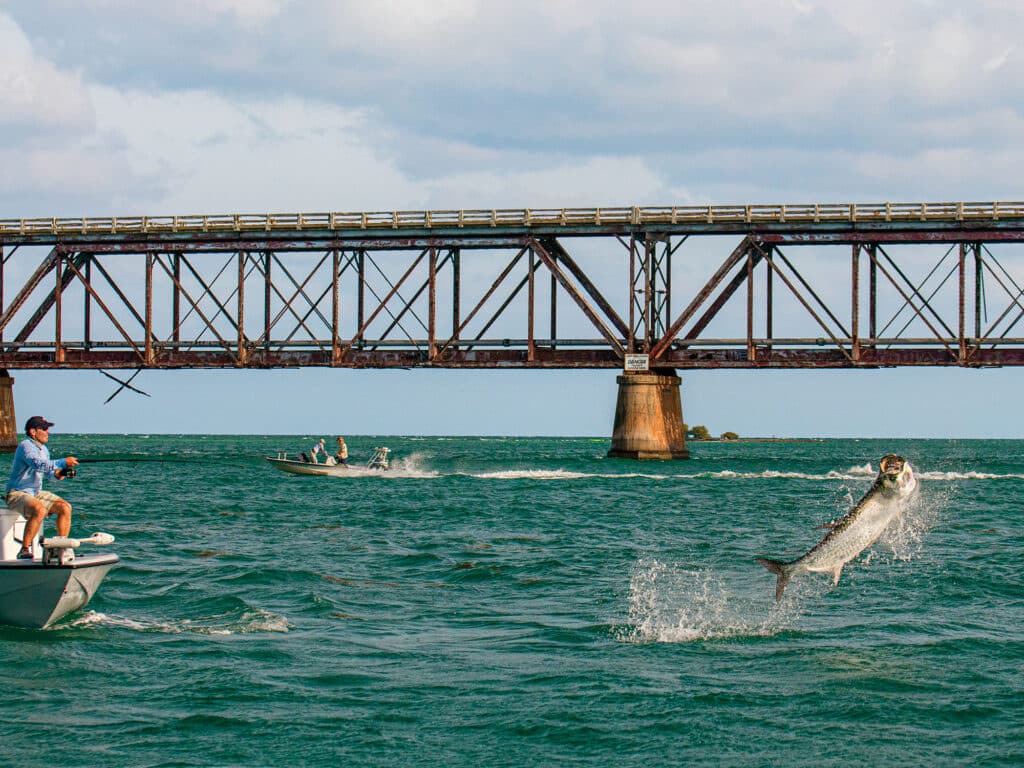
How to Target Trophy Tarpon
True trophy tarpon are elusive. Here are seven things to consider when chasing a tarpon over 150 pounds.

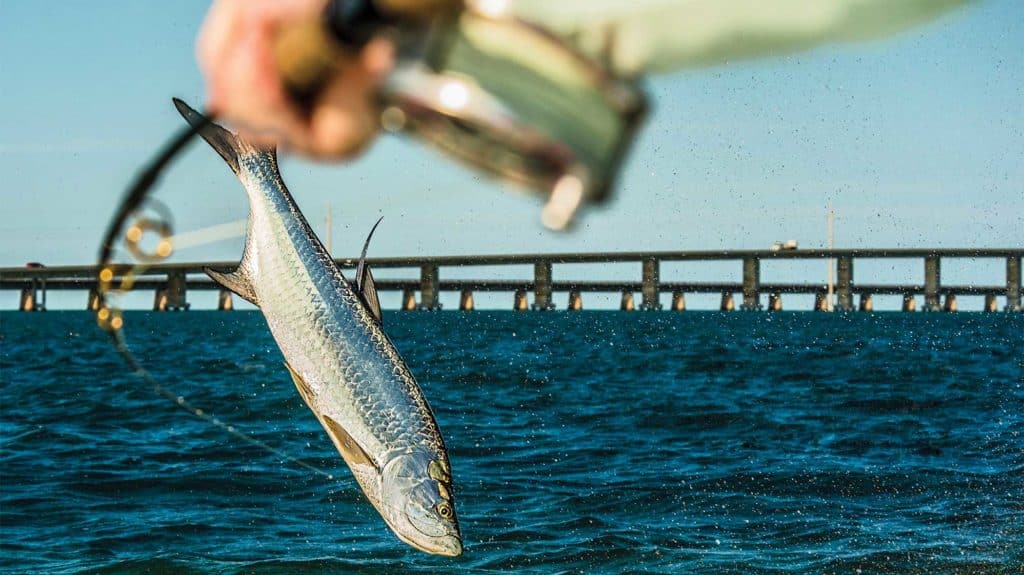
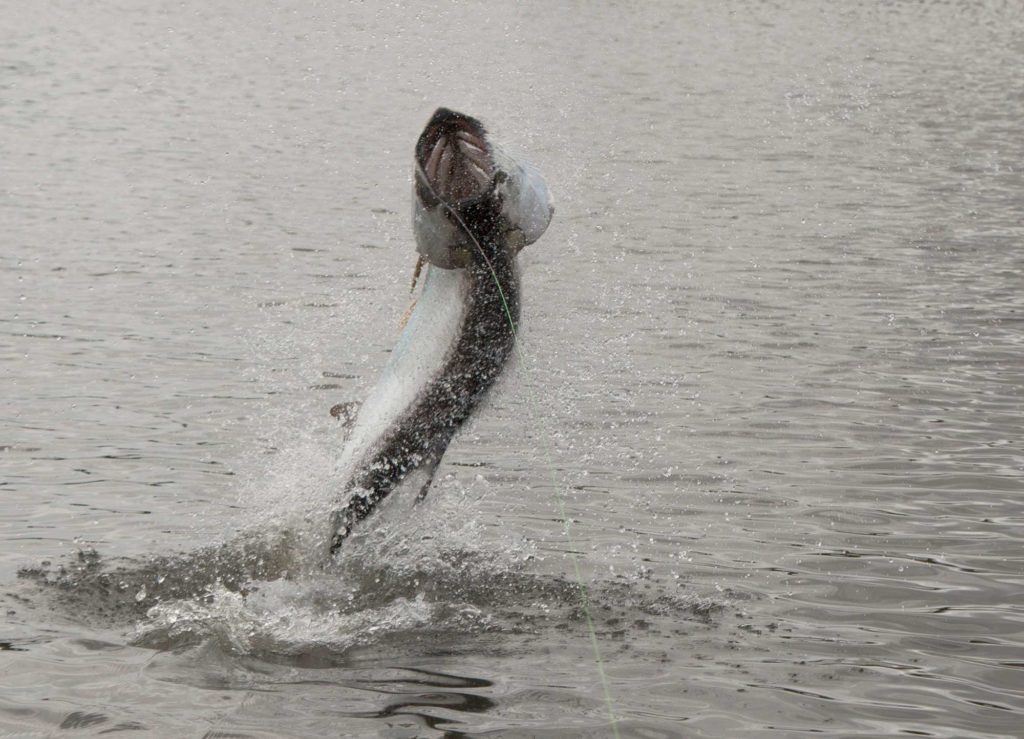
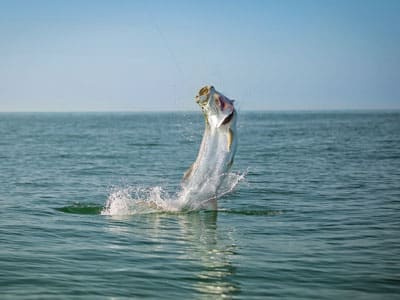
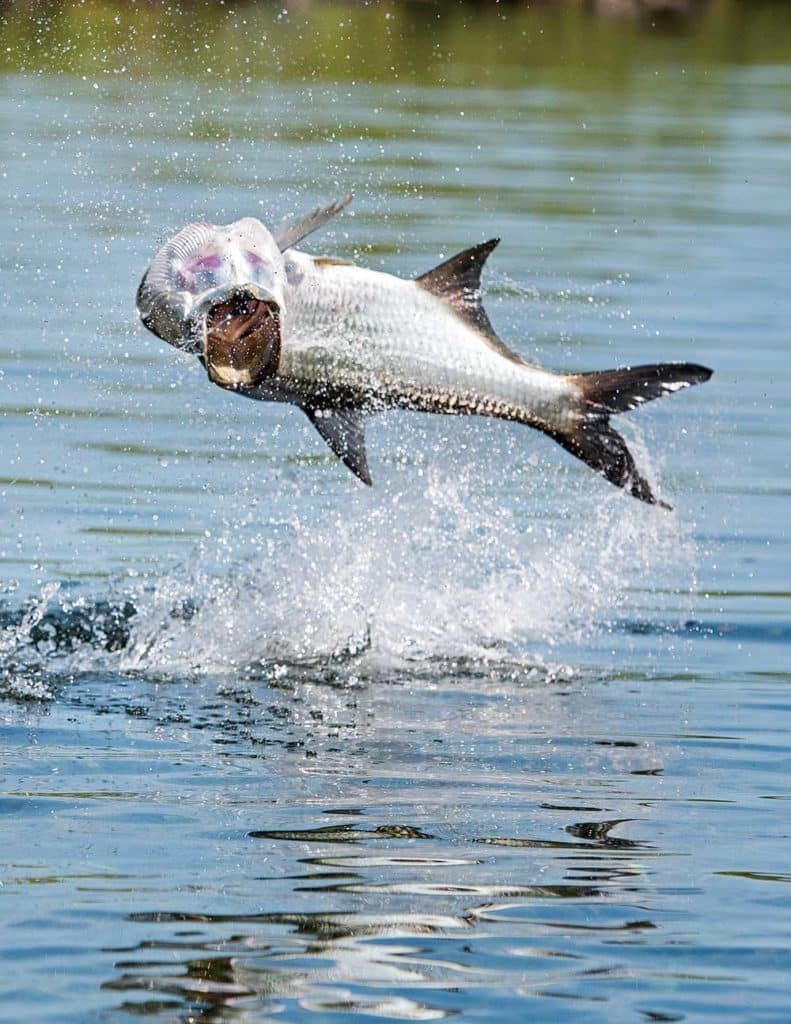
No matter the size, tarpon all put on the same spectacular aerial battle, testing tackle to the limits.

True trophy tarpon are elusive. Here are seven things to consider when chasing a tarpon over 150 pounds.
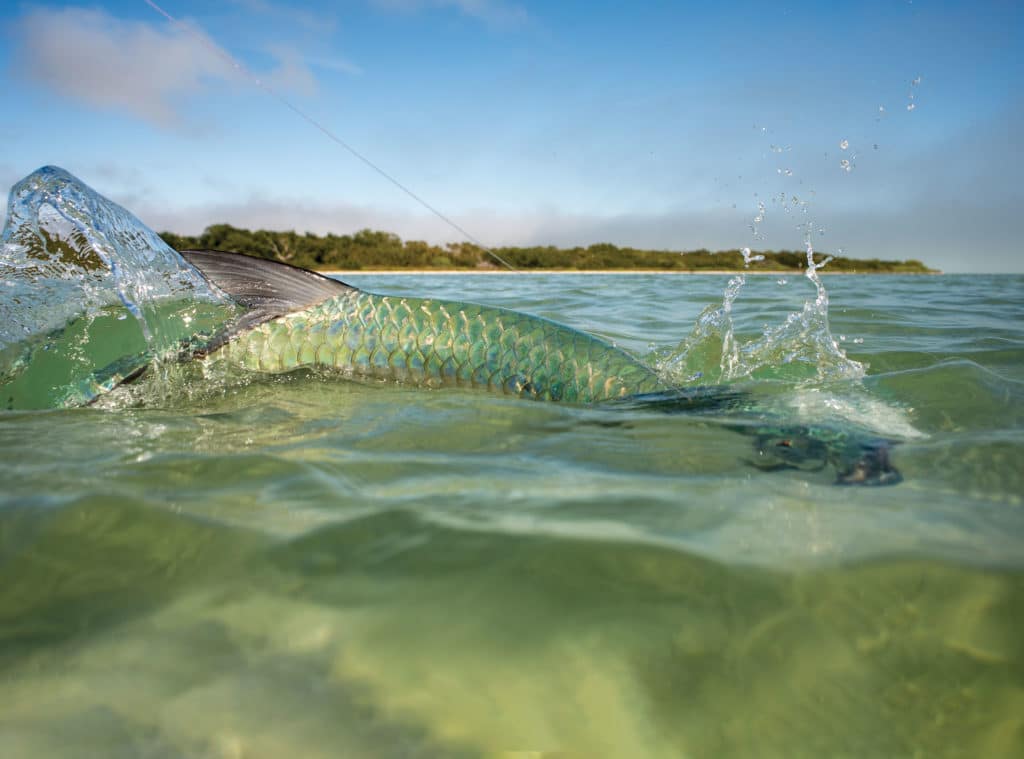
It’s always tarpon season somewhere in the state of Florida.
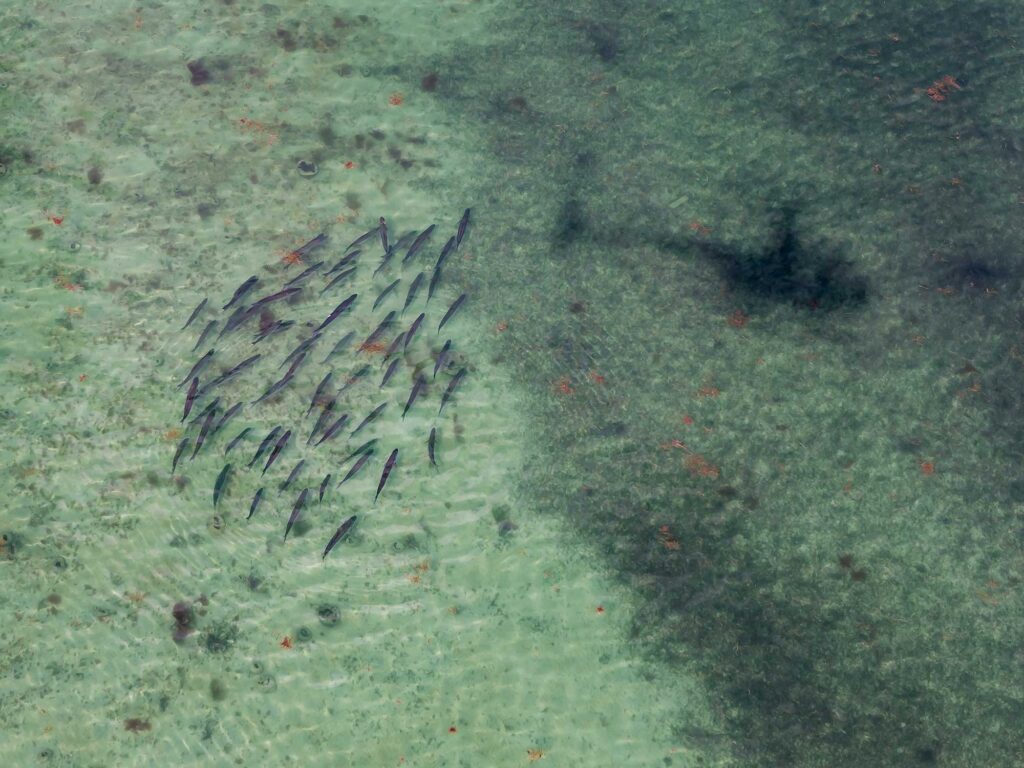
Looking to land tarpon, bonefish and permit in a single day? Head to Key West for a chance at the everyman grand slam.
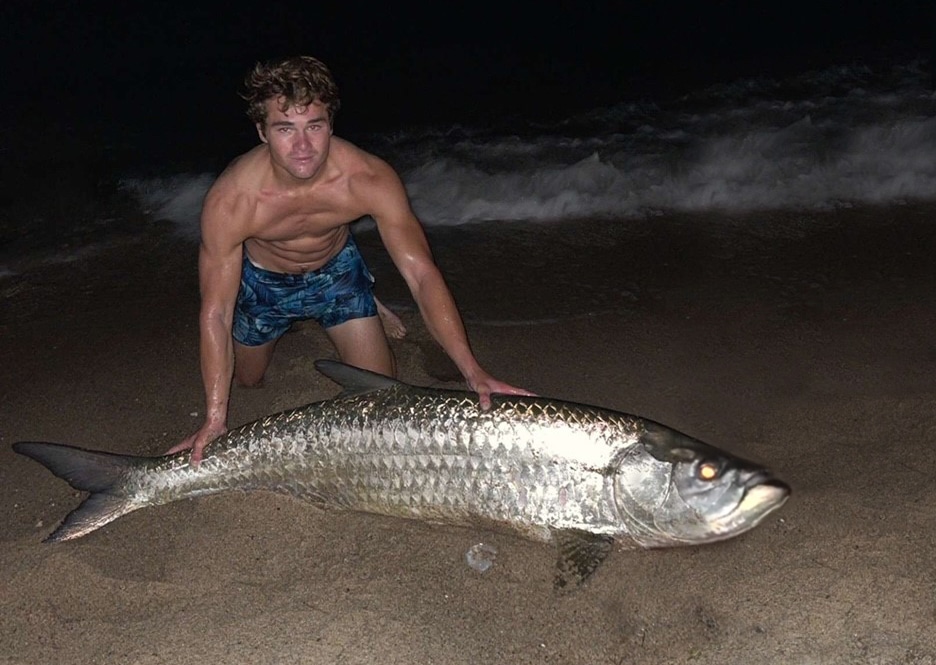
The Massachusetts surf is just about the last place you’d expect to find a silver king, but Hans Brings managed to land one.

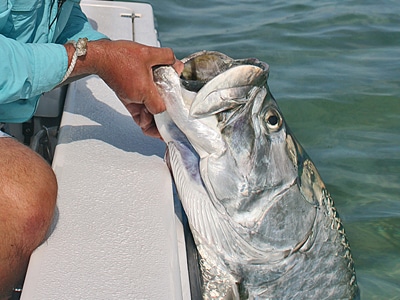
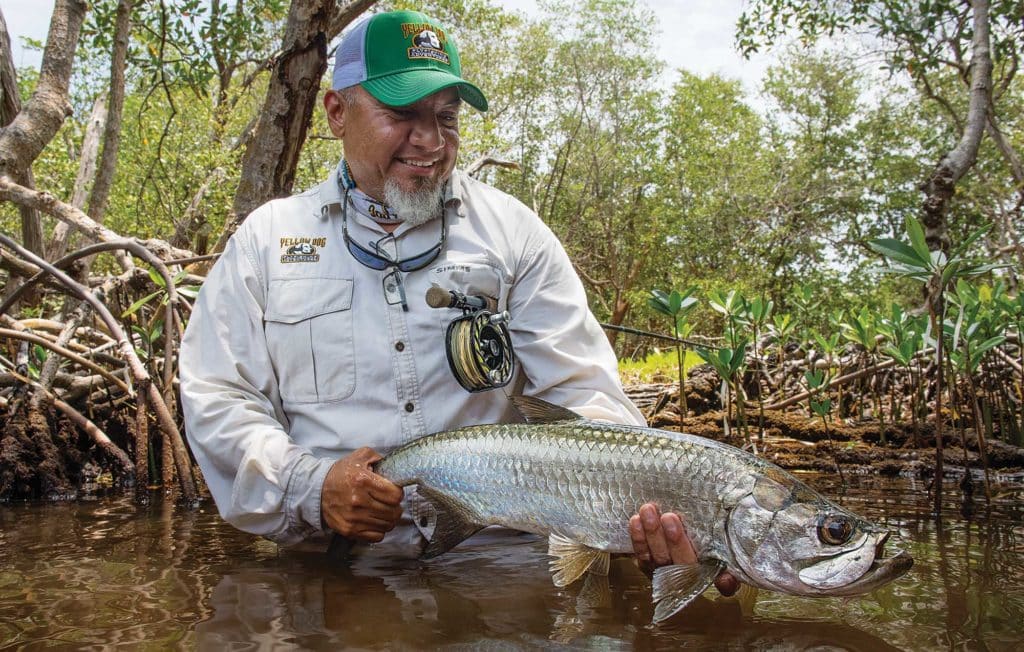
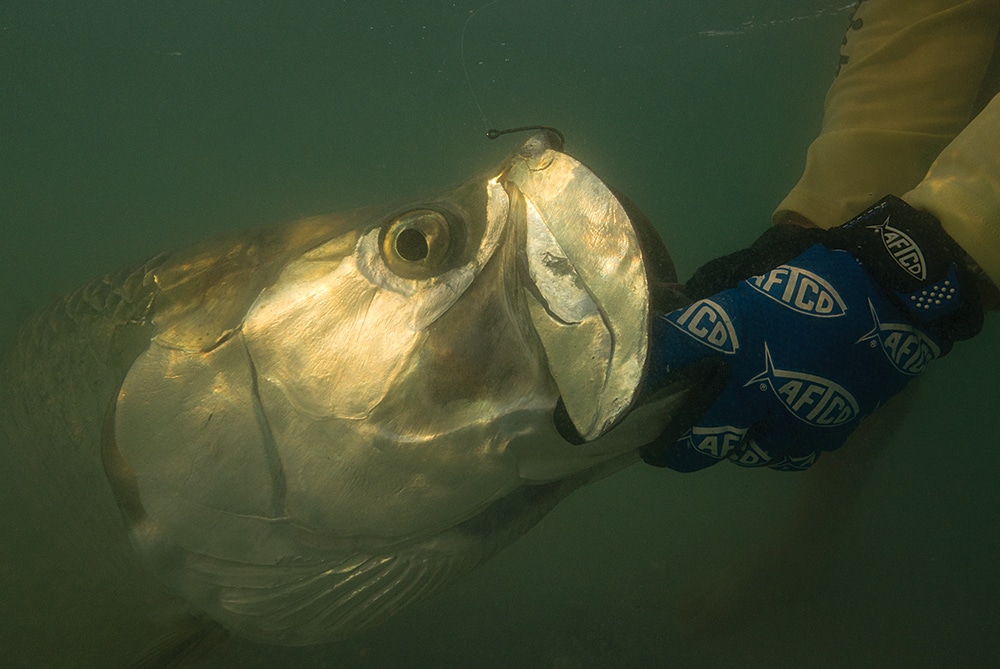
Tarpon are truly the egalitarian big game. Ranging in size from baby tarpon, at 5 or 6 pounds, to giants approaching 200, they are available to anglers soaking dead baits on the bottom as well as skilled light-tackle casters. And no matter the size, they all put on the same spectacular aerial battle, testing tackle to the limits.
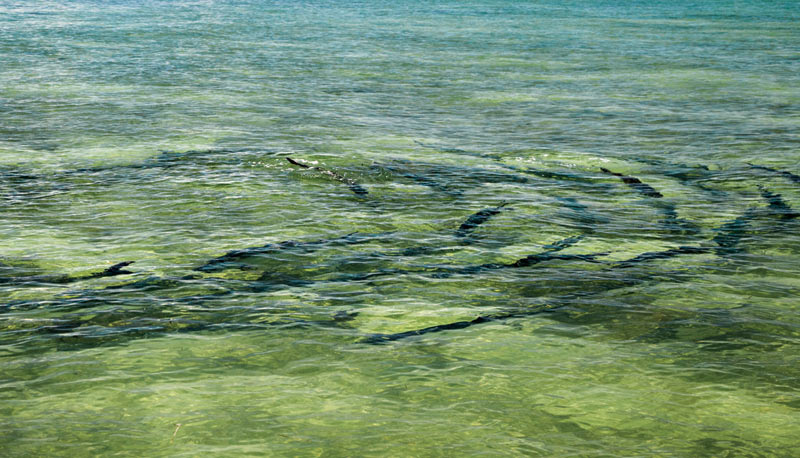
Resident and migratory to the Gulf of Mexico, and U.S. and Central American tropics, they’re found along oceanside migration routes in the spring, as well as inshore, in brackish estuaries and along mangrove coasts year-‘round. Often sought with live bait or crabs in passes and channels, they also readily hit a variety of artificial lures. Premier sport is found sight-fishing the giants over clear tidal flats. For many fly-fishermen a hundred-pounder represents a benchmark catch. The flesh is dark and unpalatable, but sporting qualities remain unmatched.