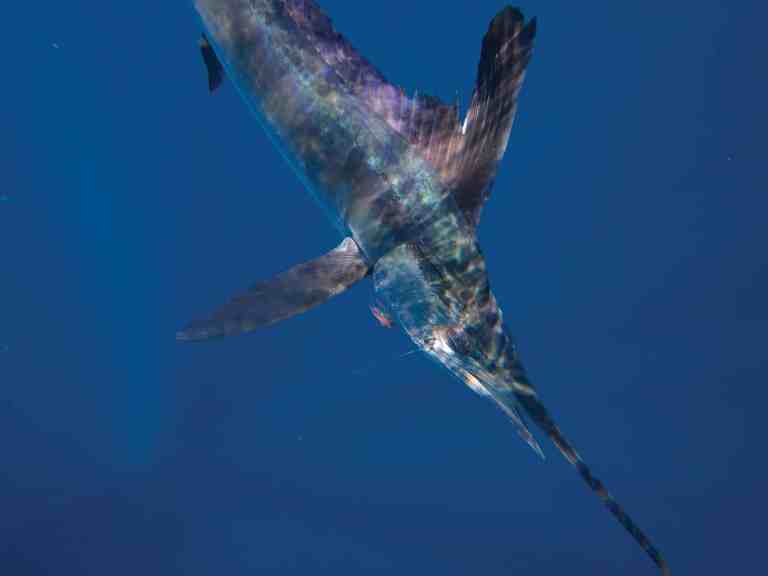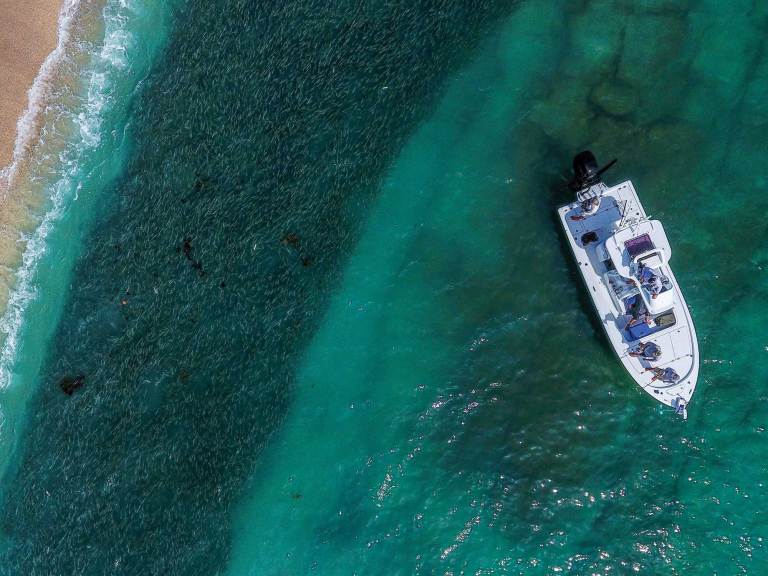
If you’re interested in chasing black marlin around an undersea mesa or working poppers along the rocky shorelines of Central America, you probably already know all about the Gulf of Chiriqui. This stretch of Panama’s Pacific coast has built a reputation as one of the most productive big-game fisheries left on the planet. A single day on the water can produce blue marlin, yellowfin tuna, roosterfish, and cubera snapper without running more than a few dozen miles from a dock.
What the region has lacked, until now, is a true home port built around that fishery. Anglers have been looking for a place with private slips, deep protected water, and a short runway.
Trophy Bay is designed to fill just that gap.
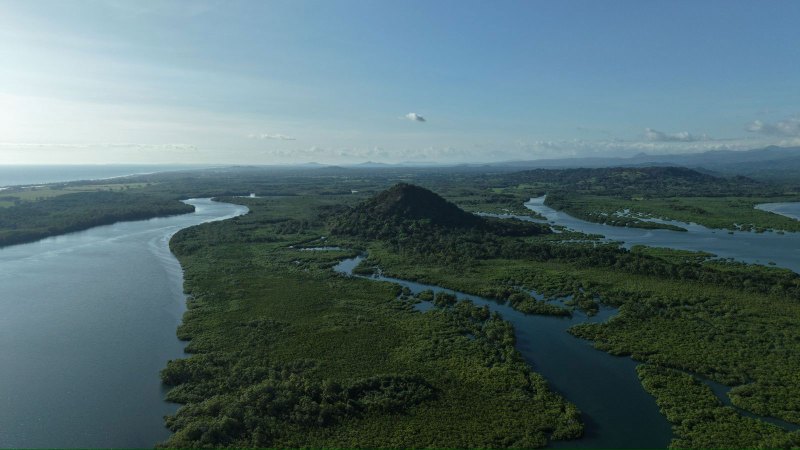
Set on a protected estuary in Panama’s Chiriquí province, Trophy Bay is being developed by Grupo Valor and Grupo MaxPro as the first private-ownership marina community on the Gulf of Chiriqui. The project sits on titled oceanfront land that climbs from sea level to approximately 1,500 feet, but the real draw for anglers is what’s offshore, not what’s on the hillside.
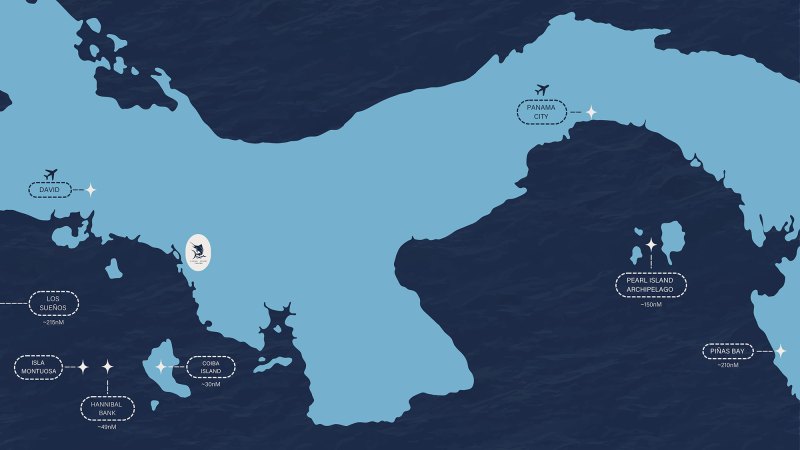
Hannibal Bank, the legendary seamount first charted by the USS Hannibal in 1908, rises from thousands of feet to within 120 feet of the surface. It’s a nutrient upwelling that holds blue and black marlin, sailfish, and yellowfin tuna essentially year-round. Isla Montuosa, the most remote island off Panama’s Pacific coast, offers steep undersea pinnacles that concentrate black and blue marlin, big yellowfin, and dorado. And Coiba National Park, a UNESCO World Heritage Site, together with Ranchería, Islas Secas, and the surrounding coastal islands and Islas Ladrones archipelago, gives up some of the best roosterfish, cubera snapper, amberjack, and grouper fishing in Central America. All three grounds are within a day’s range of the marina, and some are close enough for a morning run.
We covered this exact fishery in 2025, with regular yellowfin frenzies so dense that they might be considered once in a lifetime opportunities anywhere else. That’s the water Trophy Bay is being built on top of.
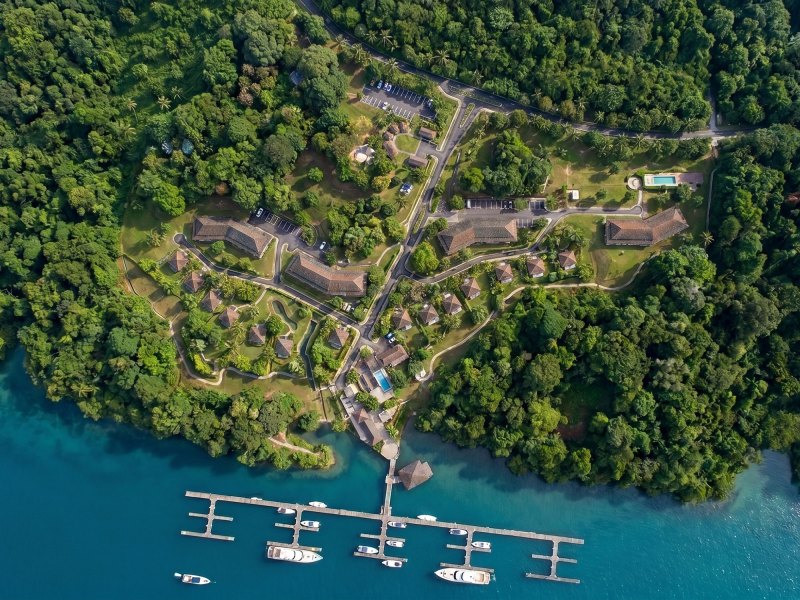
Trophy Bay’s centerpiece is a deep-water marina basin protected enough to see effectively zero wave action. Calm water at the dock means less wear on hulls and running gear, lower long-term maintenance, and a more comfortable liveaboard experience if you want to leave gear rigged and ready between trips.
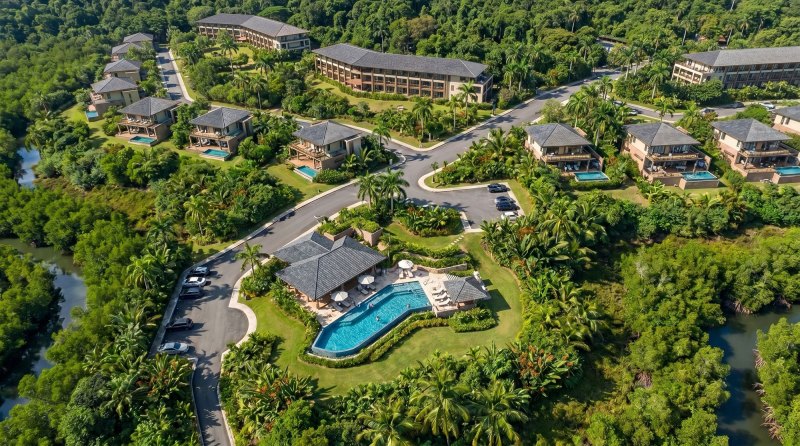
The marina is planned for roughly 60 slips accommodating vessels from 45 to 160 feet, with Phase One introducing a marina village that includes 75 Marina Residences and Garden Villas, waterfront dining, and marine services alongside the docks. This phase will include slips able to accommodate boats up to 120 feet, and eventually 160 feet. A limited first release of four “Founders Slips,” positioned nearest the main access point, is open now for vessels up to 65 feet, priced at $225,000.
Location works in the project’s favor, too. Trophy Bay sits about 90 minutes from the Costa Rica border and roughly an hour from the international airport in David via a newly built four-lane highway. That means a shorter run than the multi-leg travel days that often precede a Panama fishing trip.
The Gulf of Chiriqui also lies outside the hurricane belt. If you’ve ever owned a Caribbean or Atlantic slip, you’ll know what it means to have fewer named storms bearing down on your boat, and lower insurance and maintenance costs as a result.
Trophy Bay sits along the established cruising corridor between the Panama Canal and Costa Rica’s more mature marina scene, with locations including Golfito, Marina Pez Vela in Quepos, and Los Sueños Resort & Marina. You can have a home base with a plausible circuit of destinations to run to, rather than a dead-end outpost. As boat traffic through the Eastern Pacific continues to grow, that corridor position gives Trophy Bay a reasonable claim to both transient dockage and destination ownership, the two revenue and utility streams that make or break any private marina.
Construction is slated to begin in mid-2027. Right now, that means you can get pricing and slip selection that won’t be available once the docks are in the water. The fishery is going to be here waiting for you until your slip is ready. A serious ownership community with real infrastructure has been the missing piece, not the fish.
Trip Planner
Location: Gulf of Chiriqui, Chiriquí Province, Panama: roughly 90 minutes from the Costa Rica border, about one hour from David’s international airport via a four-lane highway, and roughly four hours from Panama City.
Marina: Approximately 60 slips for vessels 45 to 160 feet, in a protected, near-zero-wave-action basin. Current phase includes slips accommodating boats up to 120 feet, and eventually 160 feet. A limited release of four Founders Slips (up to 65 feet) is available now at $225,000.
Target species: Blue and black marlin, sailfish, and yellowfin tuna offshore around Hannibal Bank and Isla Montuosa; roosterfish, cubera snapper, amberjack, and grouper inshore around Coiba, Ranchería, Islas Secas, and the Islas Ladrones.
Season: Dry season (December–April) brings the strongest billfish and wahoo action; green season (May–November) favors trophy yellowfin and consistent inshore fishing.
Timeline: Construction anticipated to begin mid-2027, with residential purchases structured around a milestone-based payment schedule.
Learn more: trophybay.com.