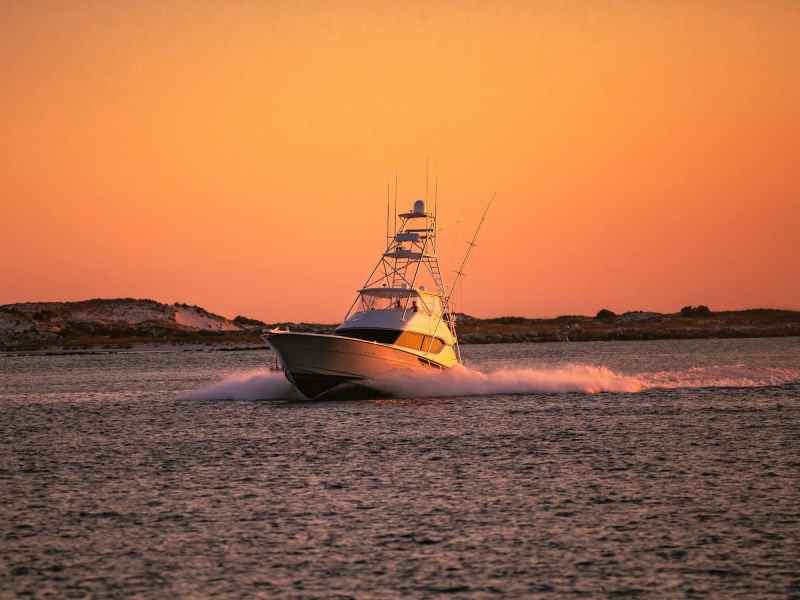
Whether you’re chasing redfish along the marsh, drifting a reef for snapper, or making a run offshore for tuna, a life jacket is one of the most important pieces of safety equipment aboard. A new option—Level 50 buoyancy aids —offers experienced anglers greater freedom of movement, but they’re designed for a specific type of boating and fishing.
The U.S. Coast Guard approved the Level 50 performance standard in 2025 to encourage manufacturers to develop a new generation of lighter, more comfortable, and highly functional personal flotation devices (PFDs). These buoyancy aids provide at least 50 newtons of buoyancy while reducing bulk, making them attractive to anglers who spend long hours casting, jigging, or working around a center console.
Built for Mobility, Not Every Situation
Unlike traditional offshore life jackets, Level 50 buoyancy aids generally are not designed to turn an unconscious person face-up in the water. They are intended for competent swimmers participating in specific on-water activities where comfort and unrestricted movement are priorities.
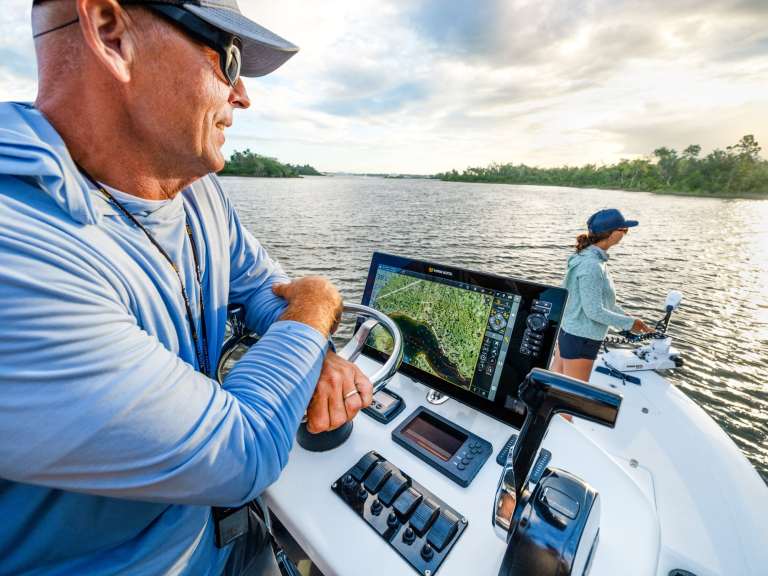
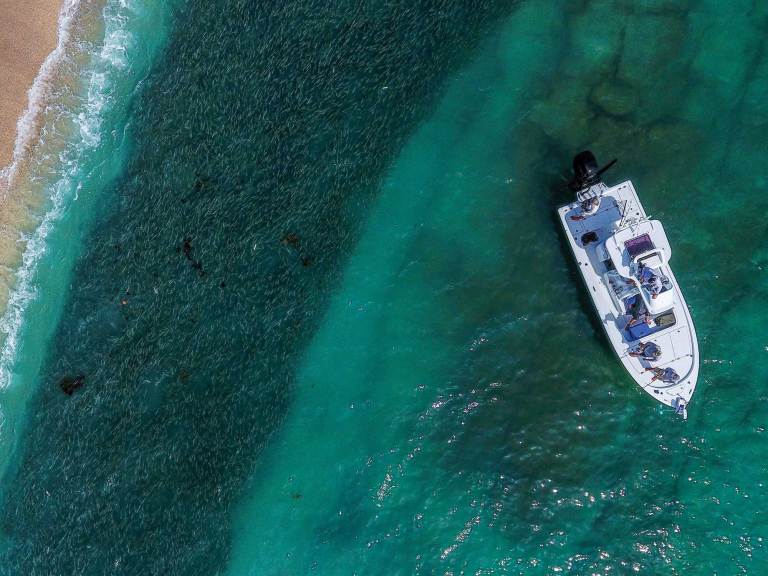
For inshore anglers fishing bays, estuaries, protected sounds, and other calm, protected waters where help is nearby, a properly fitted Level 50 buoyancy aid provides all-day comfort. That matters because the best life jacket is always the one you’re actually wearing.
Not for Offshore
Saltwater anglers frequently venture far beyond protected waters. Once you’re making long offshore runs or fishing where seas are rough or rescue may be delayed, a life jacket with more flotation – such as a Level 70 or Level 100 – is the right call.
If you fish both inshore and offshore, match your PFD to the conditions. A comfortable Level 50 buoyancy aid may be ideal for protected inshore waters, but it’s not the life jacket for bluewater trips.
Understanding the Rules
Level 50 buoyancy aids are U.S. Coast Guard-approved personal flotation devices, but they must be worn during the activity to count as a legal life jacket for federal carriage requirements. They cannot simply be stowed aboard and counted toward your required inventory.
The Bottom Line
Level 50 buoyancy aids represent an important step forward in life jacket design. Their lighter weight and improved mobility can encourage more anglers to wear flotation protection instead of leaving it in a locker. For experienced boaters fishing protected waters close to assistance, they can be an excellent option. For offshore anglers heading beyond the inlet, where conditions are less predictable and rescue may be hours away, a more buoyant traditional life jacket remains the better choice.
FAQ – Level 50 Life Jackets
In late 2025, the United States Coast Guard adopted a new standard for buoyancy aids with 50 newtons (about 11 pounds) of flotation. This new standard allows manufacturers to produce a new generation of lighter, more comfortable PFDs. Here are some frequently asked questions about Level 50 buoyancy aids.
What Is a Level 50 Life Jacket?
A Level 50 buoyancy aid, sometimes called a Level 50 life jacket, is a lower-profile personal flotation device that meets the U.S. Coast Guard’s new Level 50 standard.
Does a Level 50 life jacket count as my required life jacket on a boat or paddle craft?
Yes, but only if you’re wearing it. Just having one on board doesn’t count.
Who Are Level 50 Life Jackets For?
Level 50 PFDs are recommended for good swimmers in protected waters. Their lower profile allows for greater comfort and freedom of movement than the current Level 70 life jackets.
Can kids wear Level 50 PFDs?
Yes, children can legally use Level 50 buoyancy aids. Like any other person who chooses a Level 50 buoyancy aid, they should be good swimmers in protected waters.
Are Level 50 life jackets available now?
The first Level 50 devices will reach U.S. stores in 2027.
Why is it called a Level 50 buoyancy aid?
The name comes from the amount of flotation measured in newtons. A Level 50 PFD has 50 newtons or about 11 pounds of buoyancy. By contrast, Level 70 life jackets have 70 newtons or about 16 pounds of flotation.
Is a Level 50 buoyancy aid as safe as a Level 70 life jacket?
The safest life jacket is the one you wear. While a Level 70 life jacket has more buoyancy and is therefore safer in an apples-to-apples comparison, a Level 50 buoyancy aid provides adequate buoyancy for its intended use by good swimmers in protected waters.
What activities are best suited for Level 50 buoyancy aids?
Life jacket manufacturers are designing Level 50 PFDs for a wide variety of fishing, boating and water sports activities. You’ll soon be able to buy purpose-built Level 50 devices for fishing, boating, PWC riding, wakeboarding and wake surfing, kayaking and kayak fishing, standup paddleboarding and sailing, among many more activities.