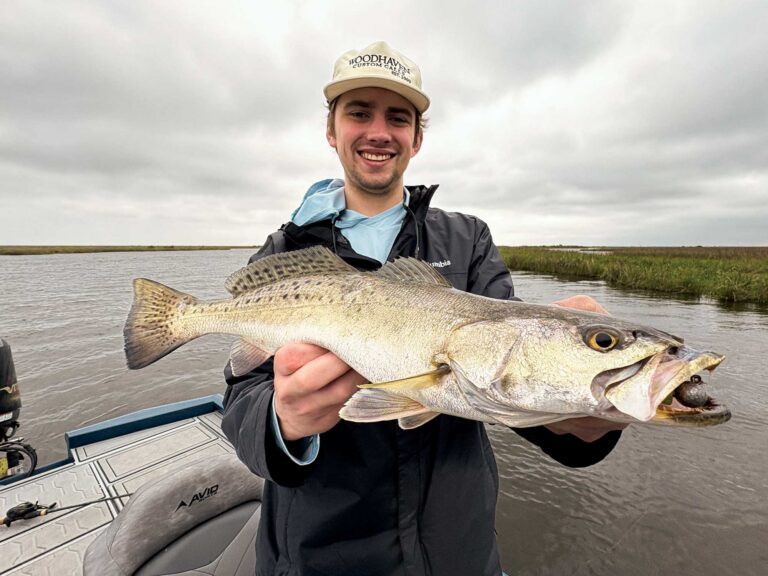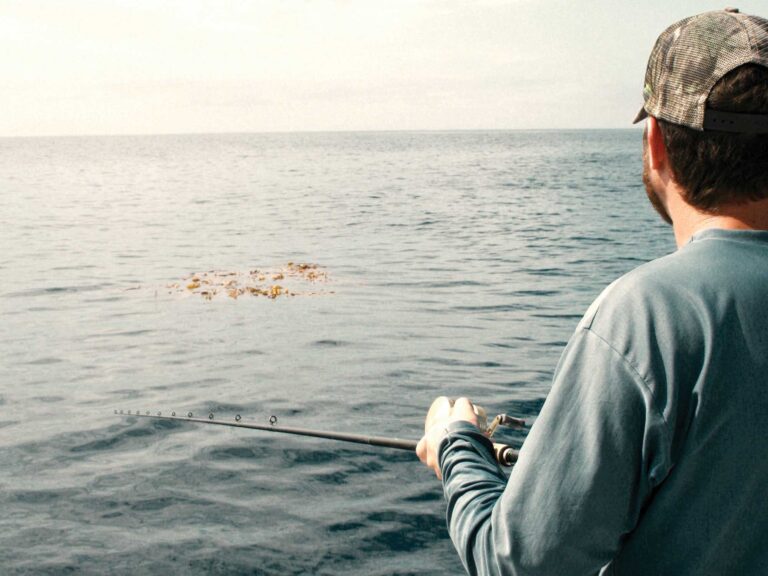
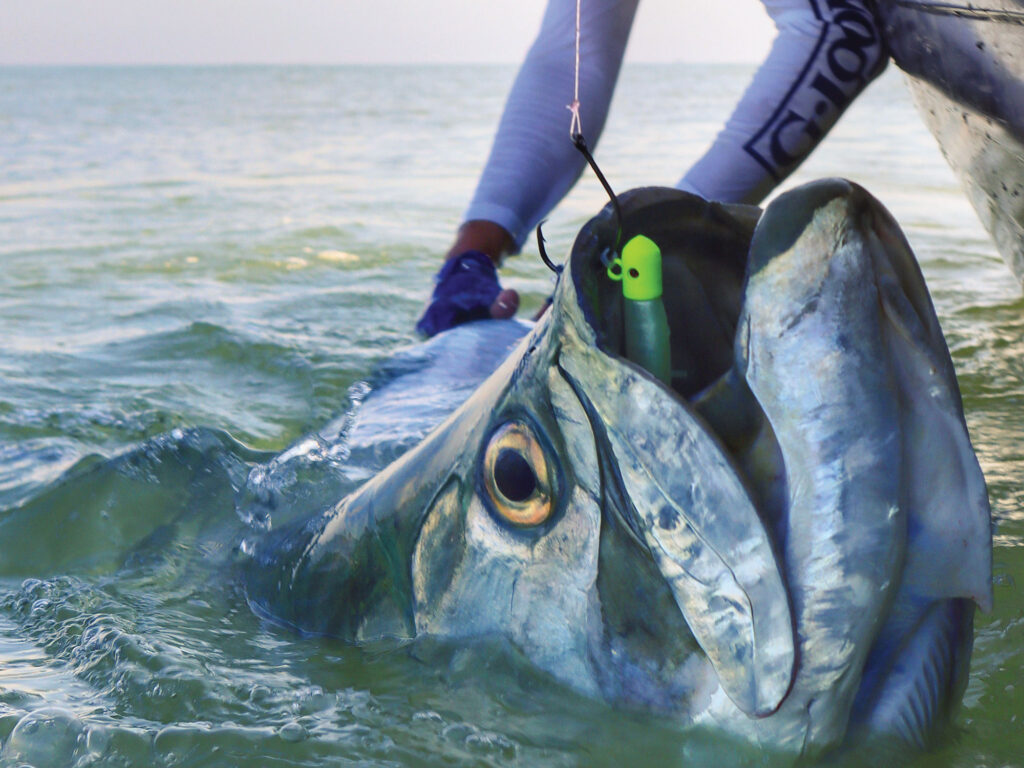
The Texas coast is renowned for trophy seatrout and redfish. The queen and king of Texas bay fishing are joined by southern flounder to make up the Big 3 of Texas inshore fishing. The combination has long drawn light-tackle anglers and fly-fishers from around the world.
But, one small portion of the state is home to an inshore fishery unlike anywhere else on the western Gulf Coast. The waters straddling the US/Mexico border in deep South Texas are home to a dizzying array of inshore species. Beyond the Big 3, snook, mangrove snapper, tarpon, grouper and more are common catches. Inasmuch, the South Texas Slam includes a different set of fish than the traditional Texas Slam.
I relocated to South Padre Island in the mid-90s. Before moving, I routinely made forays to the area and became aware of the unheralded snook and tarpon fishery. Early on in my days of living there, I was obsessed with catching these subtropical species. I fished for one or the other most of the time when not chasing specks and reds on the shallow grass flats of the Lower Laguna Madre.
Capt. Steve “JR” Ellis mentored me early in my guiding career and was instrumental in helping me catch my first snook. Later, I added a tarpon. But when Ellis suggested trying to catch them all on the same day, the South Texas Slam became a new obsession.
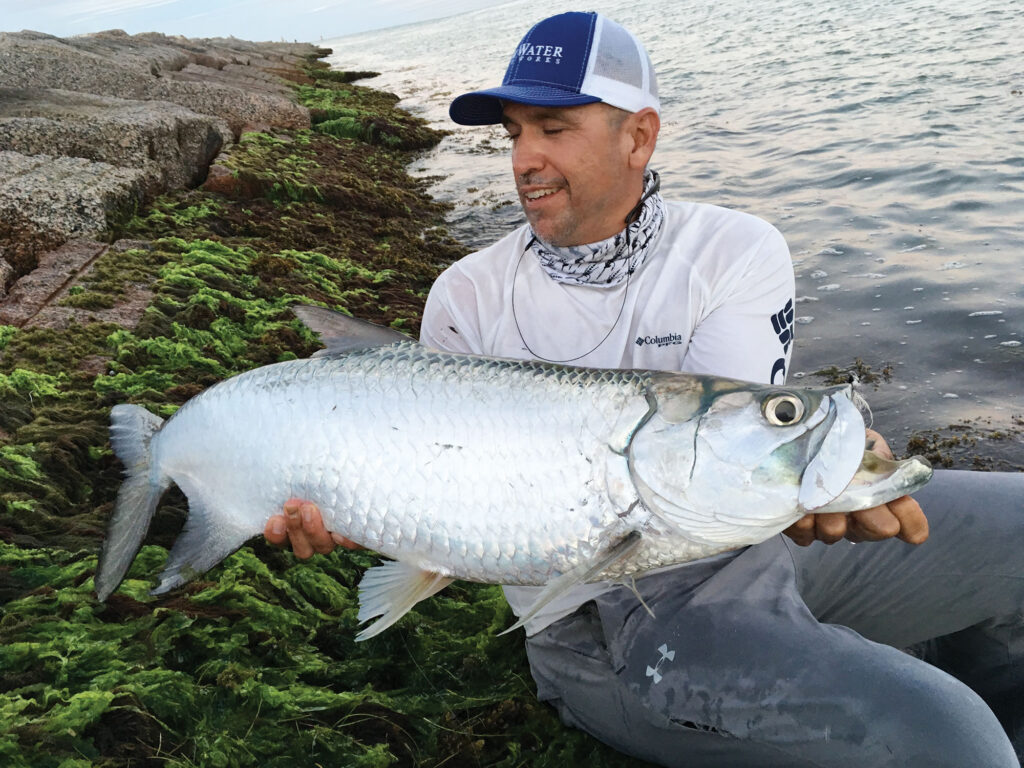
Year-Round Slam Potential
While South Texas anglers still recognize the Texas Slam as an accomplishment—and often set out with those three species in mind—the South Texas Slam evolved to be specific to this unique fishery. This version of the slam substitutes snook for flounder. Adding a tarpon to the mix makes it grand.
A South Texas Slam can be accomplished year-round, although the seasons dictate where each species is likely to be. Certain times of year require more boat riding, whereas all the species inhabit the same general areas at other times. Fishing patterns and techniques also vary throughout the year, as does the potential for targeting trophy specimens of each species.
Regardless of the season, the main component for successfully completing the South Texas Slam is a game plan. Sure, there are examples of accidental slams, but the odds are much higher if you plan ahead. Understanding the waters that make up the deep South Texas coast is key.
A Slam Game Plan
The primary bay in the far southern reaches of the Lone Star State is the Lower Laguna Madre. This shallow, narrow bay is one of a handful of hypersaline bays in the world. It stretches some 40 miles north from Port Isabel and another two dozen miles past Port Mansfield. The southern end of the Lower Laguna drains into the Gulf via the Brazos Santiago Pass. This natural pass has been dredged and jettied in modern times.
Outside of the pass, there are about 6 miles of beachfront south to the mouth of the Rio Grande River and the Mexican border. Heading north, the South Padre Island beachfront stretches all the way to the Mansfield Cut and jetties. Back inside the barrier islands, the Brownsville Ship Channel (BSC) runs 17 miles inland from the pass. The BSC also separates the Lower Laguna from a small body of water, appropriately named South Bay. This extremely shallow bay is located just behind the launch site for Space X and is the southernmost bay in Texas.
Every bit of water potentially comes into play when pursuing a slam, depending on the season, size of fish you are chasing, and techniques you want to use. Late summer and fall require the least amount of running because all species tend to concentrate on the south end of the Lower Laguna Madre, in South Bay, around the jetties, and along the beachfront. This is also the best time for sight-casting for specks and reds on shallow flats before turning your attention to tarpon and snook around the jetties.
In winter, it is possible to catch all four species up the BSC. However, it may be necessary to run back out into the bay for a better shot at reds and specks. Ditto for spring, although this is usually the best time to target trophy trout to anchor your slam. Early summer typically requires bouncing around quite a bit, as all four species are scattered.
While a straight-up South Texas Slam is quite an accomplishment in and of itself, there are ways to tweak it. Try catching a slam with artificial lures only, use a fly rod, or only count certain sized fish. Invoking these and other rules increases the challenge and satisfaction.
Artificial-Only Slam
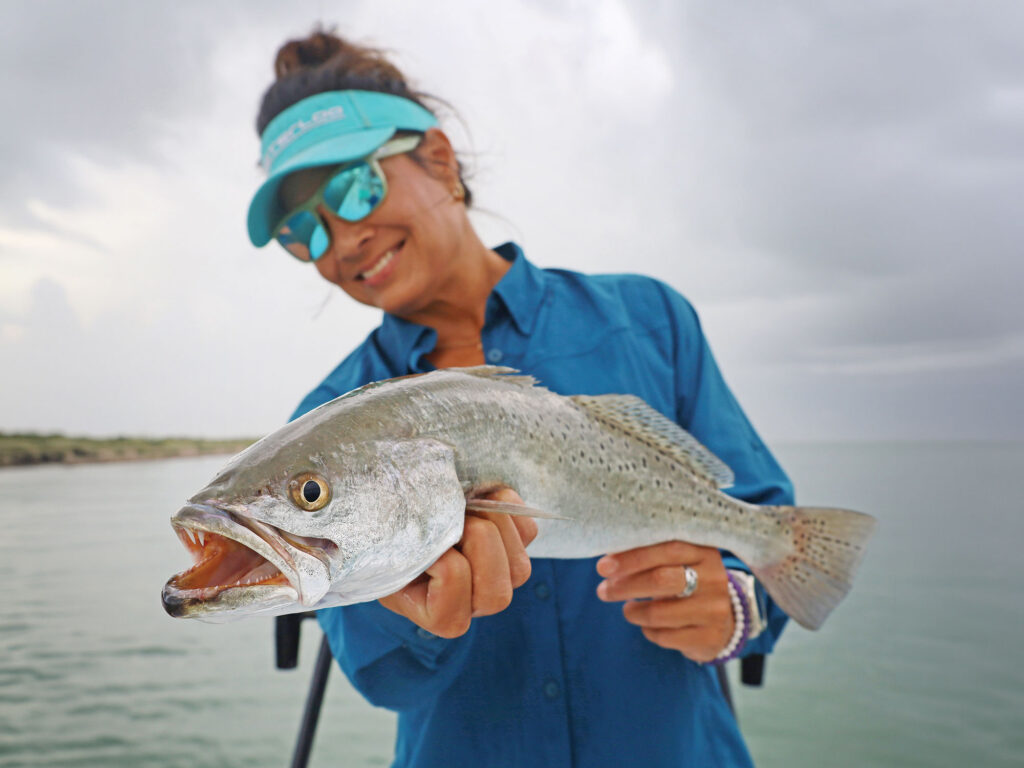
The best way to up the odds of getting a South Texas Slam is using natural baits—free-lining mullet for tarpon and snook, live shrimp for specks, and cut ladyfish or ballyhoo for reds. However, going at it armed only with artificial lures is considered a much more skillful achievement. Those who choose this route can use swimbaits such as the D.O.A. Baitbuster to target both snook and tarpon. Speckled trout and redfish can be caught on dog-walking topwaters, like the Yo-Zuri Pencil, early, while soft-plastics on jigs tend to work better throughout the day. A variety of soft-plastics work, soft-plastic jerkbaits pinned to 1/16-ounce jig heads are a good all-around choice.
Slam on the Fly
Employing a fly rod to take a slam typically involves a combination of sight-casting the flats for redfish and specks and blind casting around the jetties or in the BSC for tarpon and snook. While plying the flats, 6- to 8-weight outfits, paired with floating lines and 12-pound-test leaders tethered to shrimp patterns are a good starting point. Small poppers and Clouser Minnows also have a place on the flats.
Small tarpon and snook require 8- to 10-weight rods. Various baitfish patterns produce good results. Larger tarpon typically require a 12-weight fly rod. Bunny strips and bulky baitfish patterns are good choices for these fish.
Walk-In South Texas Slam
Another option, or opportunity, if you will, is to chase a South Texas Slam on foot. All four species will be around the jetties during summer and fall, offering a shot for shore anglers.
A simple strategy is to cast swimbaits or sinking plugs for all species, working the surf zone for specks and farther out on both the channel and Gulf sides for bull reds, snook and tarpon.
Swimbaits are usually the best choice for the latter three species. However, while specks will hit them, you can often up the odds for trout by throwing spoons or soft-plastics on jigs.
Super-Sized Slam
You can up the ante by choosing to count only over-slot specimens. In Texas, the redfish slot is 20 to 28 inches, speckled trout is 15 to 20 inches with one over 28 allowed (for purposes of this slam, 28 inches is the mark), and snook is 24 to 28 inches. Tarpon is catch-and-release only.
Actually, one tarpon is allowed to be retained, but the length requirement of 85 inches is set to the point at which any fish kept would challenge the state record. So, with tarpon, set your slam goal where you will. The 75- or 100-pound marks (roughly 60 to 72 inches) are good rules of thumb.
This variation is best attempted from late summer through fall, when there are usually plenty of bull reds, oversized snook and big tarpon around the jetties. The big specks will be found on the flats throughout the Lower Laguna and South Bay. Sow specks won’t weigh as much during late summer as they did during spring, but it is the length that matters for this slam.
Read Next: Fishing South Padre Island, Texas
Ship-Channel Slam
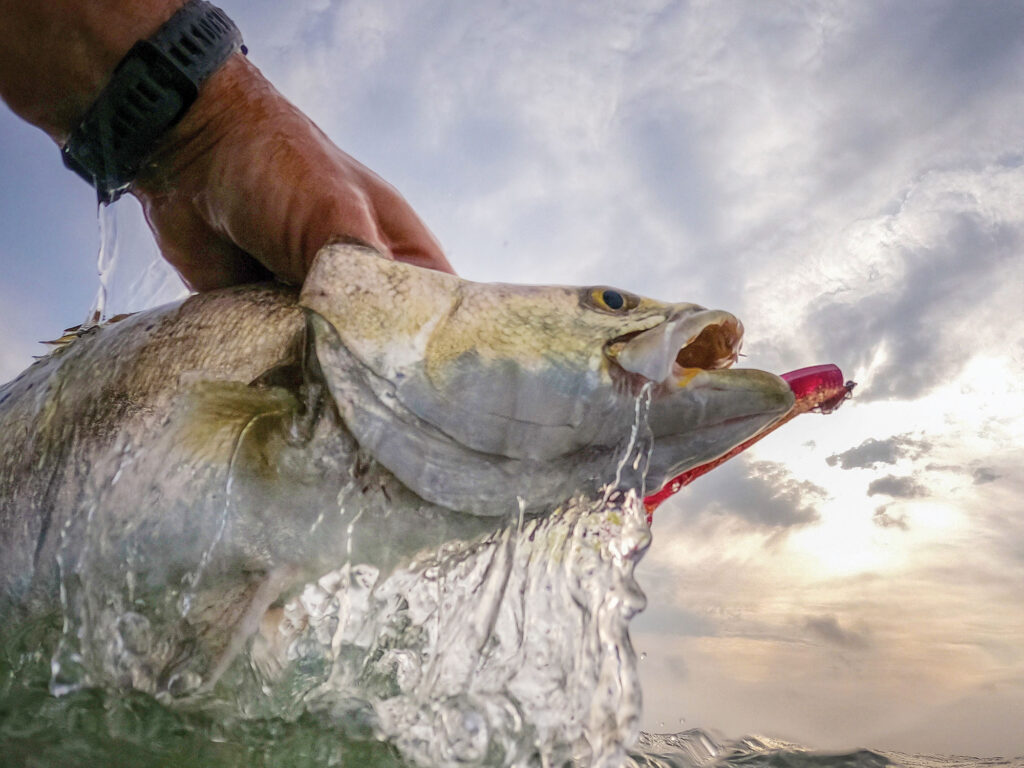
In winter, the big migrating tarpon will be gone, but the BSC will hold plenty of juveniles. This time of year, a vast majority of snook in the area will be packed into the ship channel as well. They will be joined by a good number of redfish and speckled trout.
The colder the weather, the denser the concentration of fish in the ship channel. Free-lining live shrimp or finger mullet around various structures or throwing small swimbaits, D.O.A. Shrimp, or soft-plastics on jigs gives you a chance to collect all four species.
No matter the time of year or type of tackle you choose, capturing a South Texas Slam is a unique opportunity for anglers who live here or are visiting. Attempting to catch all four species in a day is a fun challenge, even for fishermen who’ve already achieved it multiple times.
Guides
- Capt. Brian Barrera, inshorefishingsouthpadre.com, (956) 755-9413
- Capt. Eric Glass, (956) 434-1422
- Capt. Trevor Kucia, (956) 720-7421
Getting There
Getting to Port Isabel and South Padre Island is relatively easy, although it does require some driving. The most convenient major airport is Valley International Airport in Harlingen, some 45 minutes away.
Whether flying in and renting a car at the airport or driving the entire trip, anglers must pass through Harlingen via US 77 South to the State Hwy 100/South Padre Island exit. From that point, follow State Hwy 100 east for 21 miles and you’ll find yourself in downtown Port Isabel. To reach South Padre, just continue on Hwy 100 over the Queen Isabella Memorial Causeway.
Rods, Reels & Line
1. Trout and Reds: 7-foot, medium-light spinning or casting rods, size 2500 spinning reels or size 100 casting reels and 15-pound braid. 2. Snook and Small Tarpon: medium or medium-heavy rod, size 3000 to 4000 reel and 20-pound braid. 3. Big tarpon: medium-heavy or heavy rod, 8000 to 10000 reel, 50- to 80-pound braid.