Five minutes out of the docks, a humpback breached maybe 50 yards to starboard and crashed in a wall of water that made our jaws drop. It was our first morning out of Crocodile Bay Marina, and the low drone of our 425 Caterpillar inboard must have spooked the whale as it lazed in shallow water.
Gaping, I stood to get another look, but up in the tower, the captain didn’t even let off the throttle. “Whale!” I pointed, drawing the attention of our mate, who was sitting on the transom, busily rigging.
“Yeah, whale,” he looked up with an indifferent shrug. “They’re everywhere.”
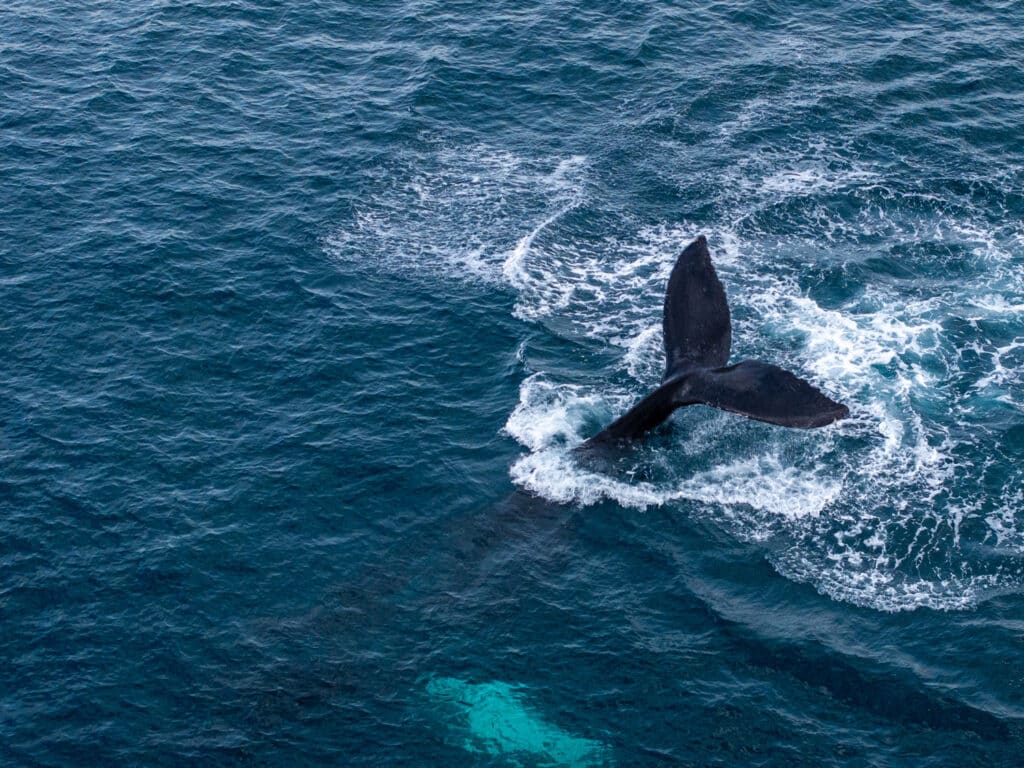
Indeed, whales were everywhere. They migrate to Golfo Dulce annually from thousands of miles away, north and south, to mate and calve. Enormous breaching and tail-waving giants, tender mother and calf pairs, we saw them every day off southern Costa Rica, along with scads of olive ridley sea turtles that were so numerous that we grew bored of counting them.
The thing is, this was a fishing trip, not a wildlife tour, but it easily could have been billed as either, or both, with no complaints from anglers or eco-tourists. If there’s an overarching theme from a July trip to Crocodile Bay, it’s that awe-inspiring experiences are amazingly commonplace.
Fish the Trifecta Season at Crocodile Bay
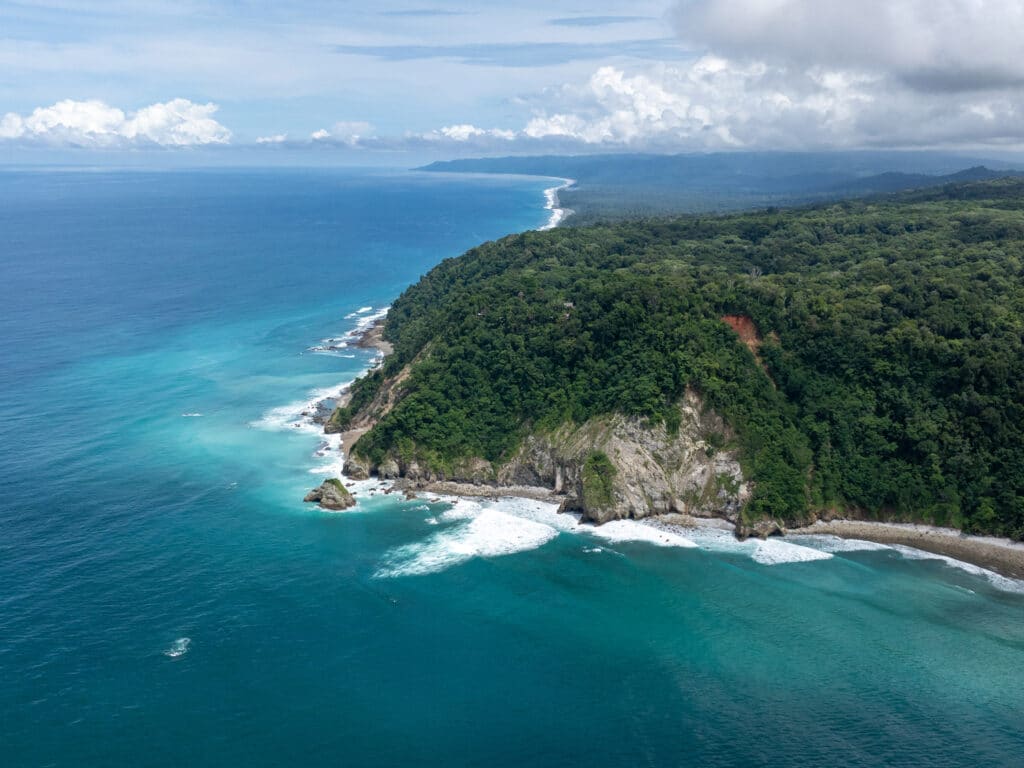
In a 33-foot Strike tower boat, we rounded the headland in turbulent water between a massive slate-gray sea stack and powerful wash at the base of a towering cliff face. The exhilaration in a first-morning run on storied waters is heady, and as the “Sweet Gulf” gave way to the open Pacific, an incredible view opened northwest along miles of coastline, seemingly uninhabited, with high dense jungle rising from rocky brown beaches.
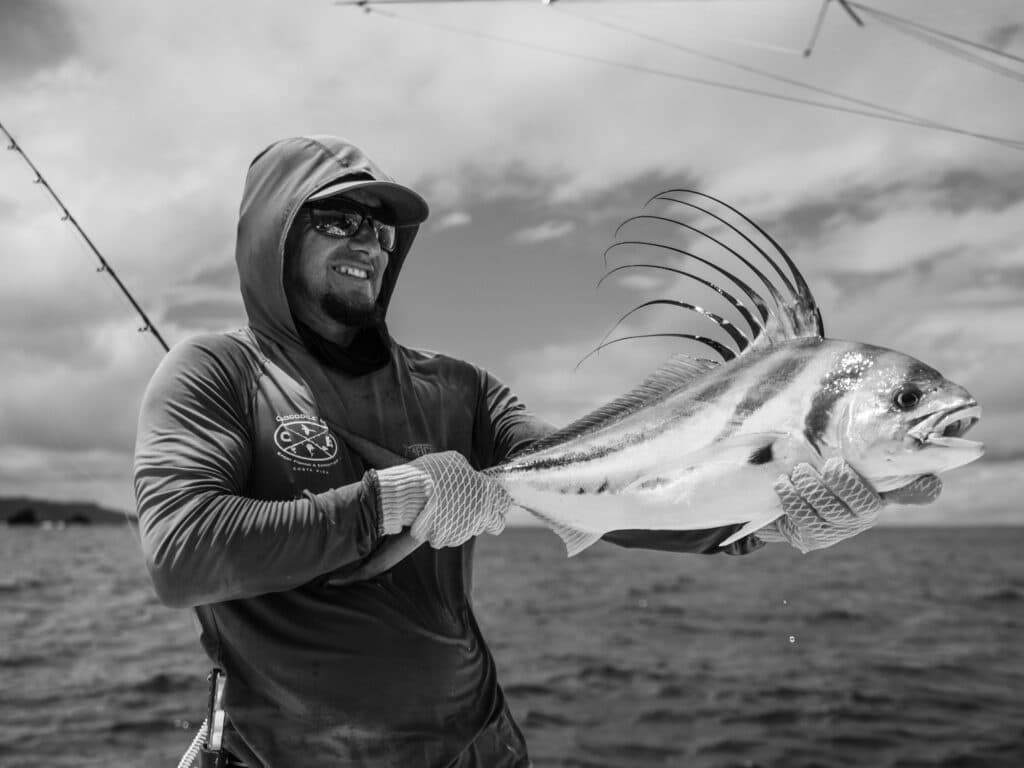
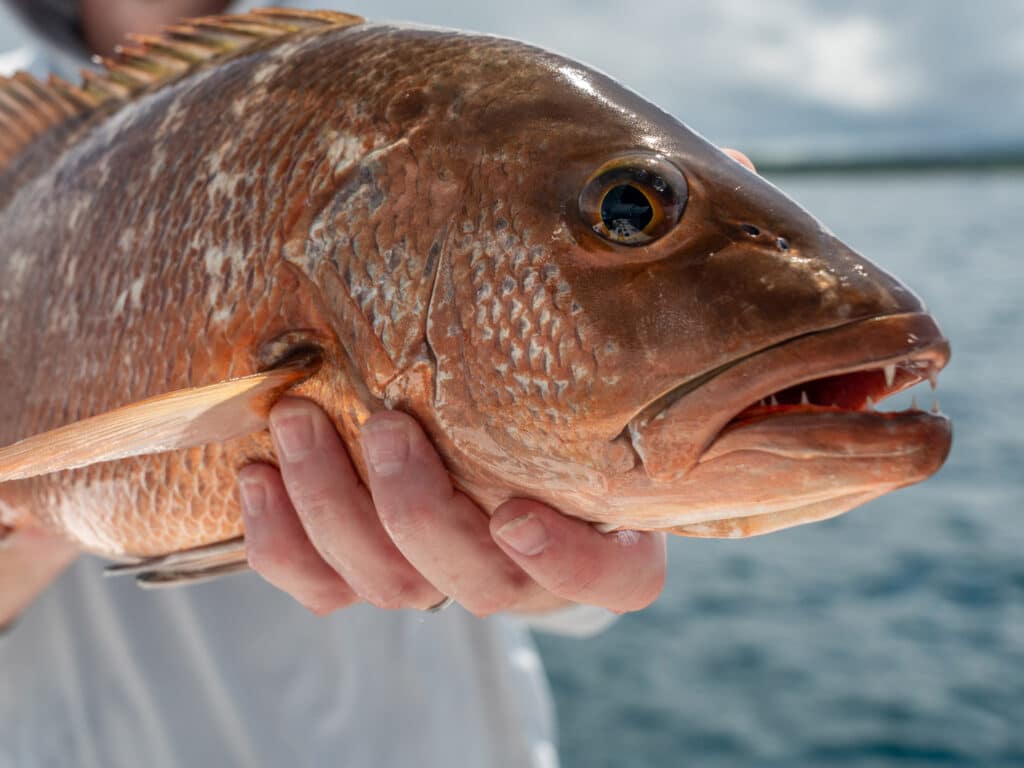
The morning was overcast, gray and pleasantly warm. You could watch showers form in the distance and roll up green slopes to dump rain on the mountains inland. May through November is the “green” (aka rainy) season on the Osa Peninsula, but as Crocodile Bay Fishing Director Diego Camacho pointed out, “It’s mainly just afternoon showers, and the water temps this time of year bring big roosterfish and cubera closer to shore.”
They call it the trifecta season, when encounters with good-sized roosters, cubera snapper and yellowfin tuna are almost guaranteed. Rain flushes nutrients out of the jungle rivers, baitfish teem close to shore and gamefish feast.
You might need a light raincoat for an occasional shower the captain can’t drive around, but the payoffs are mild seas, comfortable air temperatures and plenty of fast action from gorgeous, hard-pulling and delicious fish. Anglers with family and friends to entertain or those who prefer actively fishing over watching a trolling spread will enjoy the trifecta season, and there’s still an option to chase the billfish Costa Rica is famous for (more on that later).
Anticipation peaked as we came off plane in 30 to 40 foot depths near a series of massive rock formations that jutted from the water for hundreds of yards offshore in blocky stacks and tall spires. From high perches, birds circled, screeched and dove on confused baitfish in the wash.
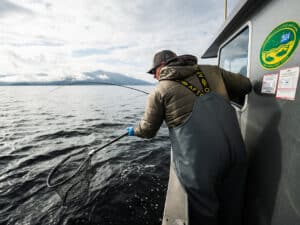
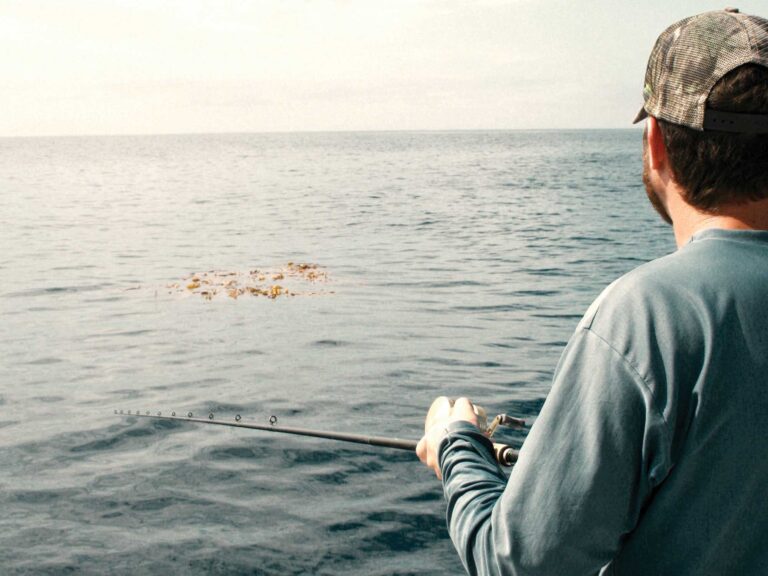
We dropped goggle eyes or blue runners to the bottom, gave them a couple cranks to get them out of the rocks and then thumbed the reel on free spool while adjusting to keep baits from snagging as the boat bumped and drifted.
Our mate, Umberto, was concise with instructions, “When you feel it hit, count to five and engage the reel.” I missed a couple of fish before photographer Jon Whittle made an observation, as if he could hear me counting in my head. “Dude, I bet you’re counting in a slow southern drawl,” he said. “Maybe you should just count to three?”
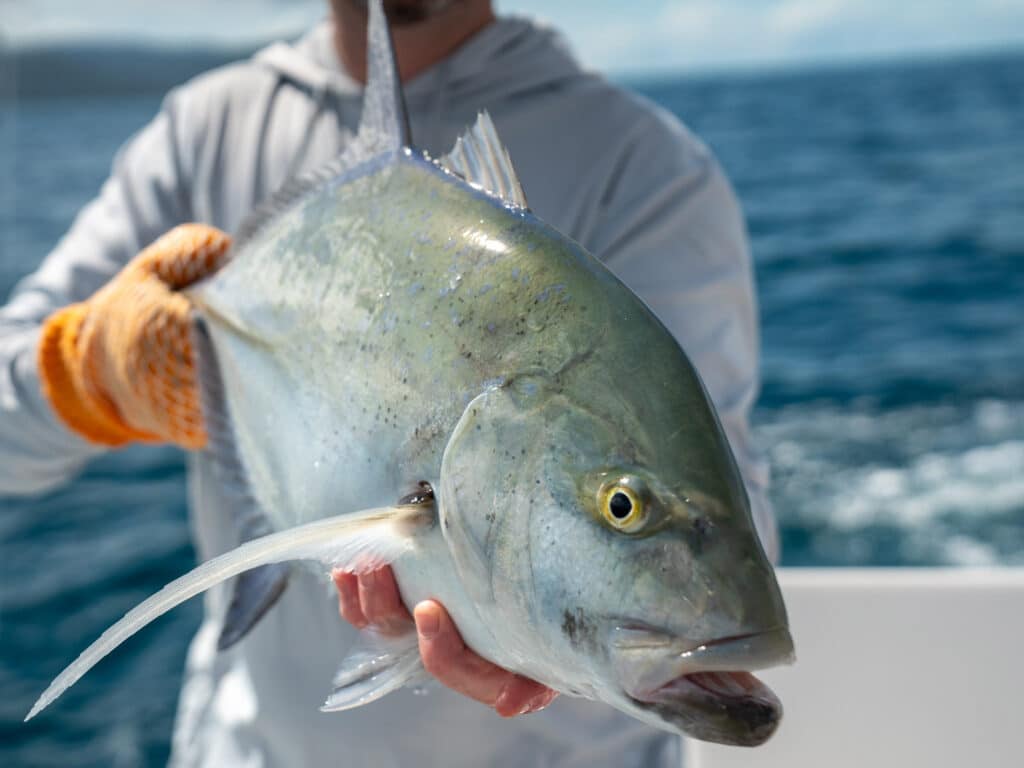
My wife, Julie, got the skunk out of the boat with the first fish, a nice bluefin trevally, and then we started whacking them. It didn’t take long for each of us to knock out two of the three species for our trifecta, roosterfish and cubera snapper (several of each). We also caught more bluefin trevally, assorted snappers for the box, and pitched baits to two enormous tree trunks adrift in the current until we grew tired of battling jack crevalle.
This is fun and engaging fishing. With arms already tired from pulling on jacks and roosters, we learned it was just a warm up.
Yellowfin Tuna Fishing in Costa Rica
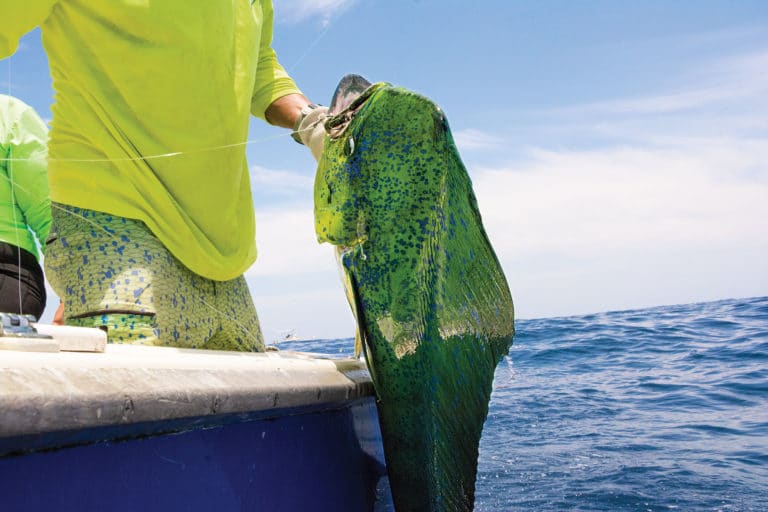
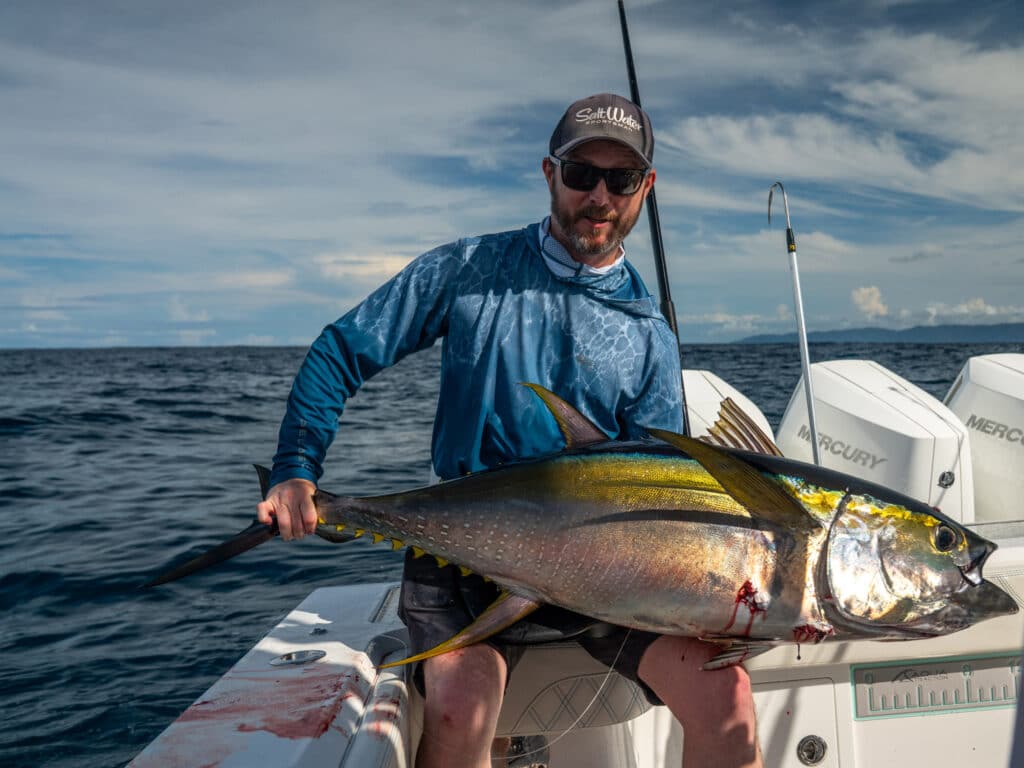
The thing about the Osa coast is anglers regularly encounter one pelagic species or another within 10 miles of shore, depending on the season. This could be blue or black marlin, huge Pacific sailfish, dorado or others. In July, it was school-sized yellowfin tuna, which run 20 to 60 pounds.
The nearshore bite had slowed into that mid-day lull that makes you want a sandwich when our ears perked up at radio chatter from the tower. The captain spoke in Spanish to Umberto, who translated to us: “Another boat found tuna. It’s only like two miles away. Want to go catch tuna?”
“Hell, Yeah!”
Following the birds, we eased into a classic scene that never fails to get your heart pumping. Dolphins pushed bait and cartwheeled as tuna blasted through the surface, some smaller ones going airborne and horizontal for what seemed like seconds at a time.
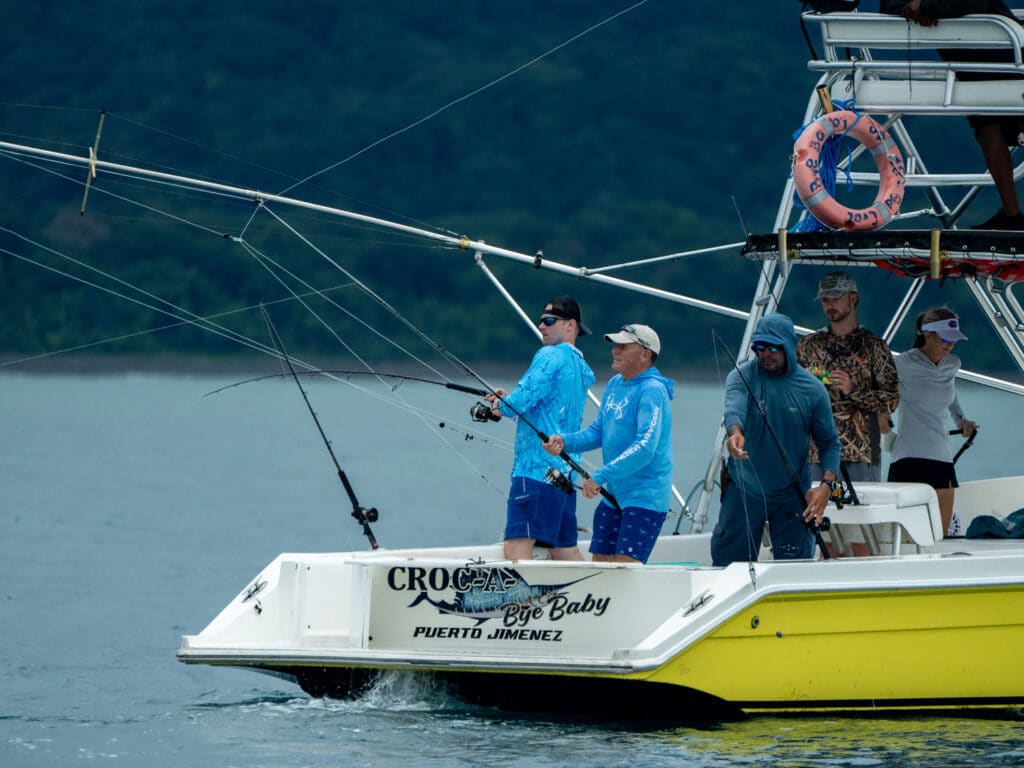
Pitching free-lined live baits, it’s not hard to hook up in such a frenzy. Battling 50- and 60-pound yellowfins on relatively light spinning gear is more difficult. The crew was speaking Spanish, but I’m pretty sure they were questioning my manhood as I strained, grunted, sweated and bruised myself with the rod butt. Whittle was definitely giving me hell. Meanwhile, Julie, strapped into a harness, whipped her tuna in short order.
There was much rejoicing when Umberto finally gaffed mine and brought it over the rail. “Want to catch another one?” he asked. “No!” was my reply, only half in jest. Then we were off agains chasing dolphins and tuna, successfully. On the run back to the docks, Umberto broke down four good-sized yellowfins for delivery to the resort’s restaurants for our enjoyment. Five tuna per boat is the limit, and we could have achieved that easily every day if we had wanted to bring a lot of fish home.
We spent two days aboard Strike boats chasing world-class nearshore action up and down more than 30 miles of gorgeous Costa Rican coastline. Tuna were there for the taking whenever the nearshore bite slowed. The record-sized cubera and roosterfish this coast is known for didn’t make a showing for us, but they are there, which we learned from poolside conversation with other anglers. We also got intel on blue marlin working around the seamounts 25 miles offshore.
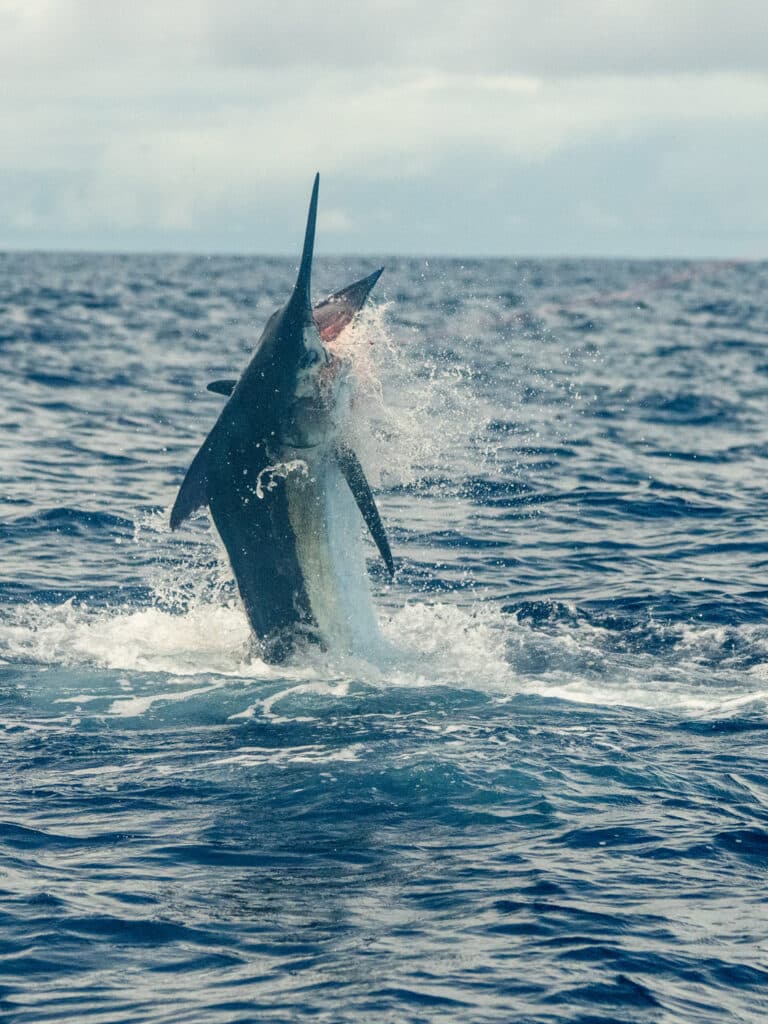
Offshore Fishing for Marlin
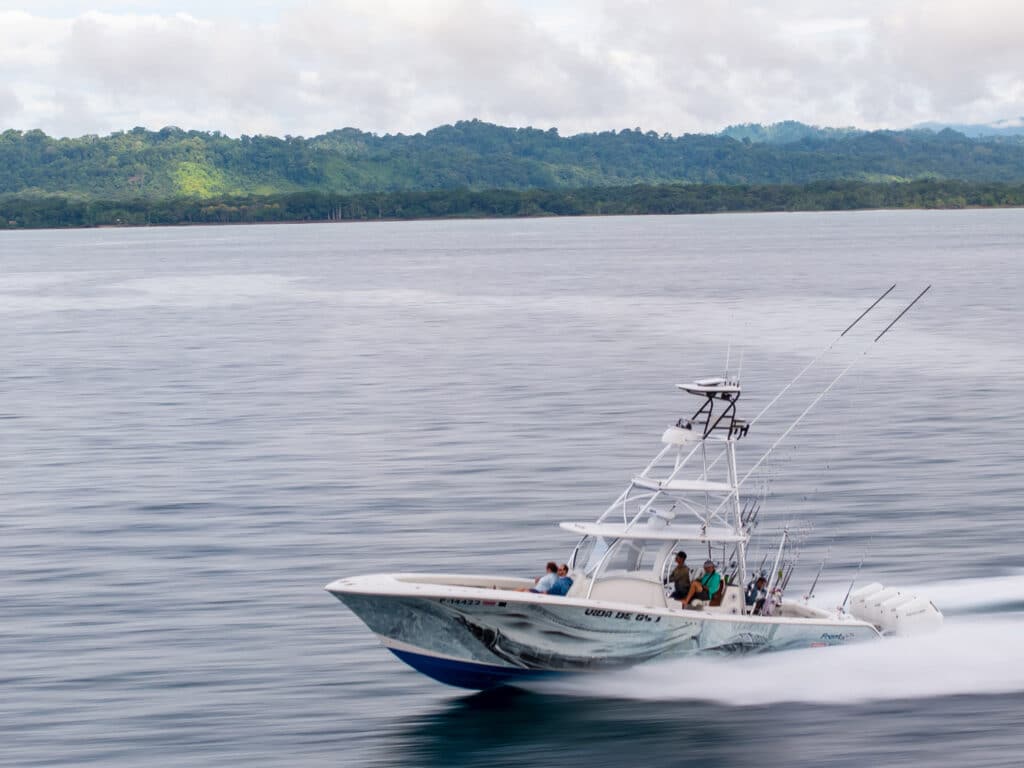
Over afternoon drinks and appetizers by the pool, a family of anglers we befriended on the flight in regaled us with their day’s report. It included an hours’-long battle with a big blue marlin that dove deep, wouldn’t come up and never did. The next morning just happened to be our day aboard Croc Bay’s gorgeous, comfortable and well-equipped 39-foot Front Runner center console. With the speed of quad 400 Mercs, the plan was to make a quick run to go catch a marlin. The peak offshore season out of Croc Bay is January and February, but if you’re willing to leave the nearshore bite, there are shots at billfish pretty much year-round. The same ancient tectonics and volcanic activity that shaped the rugged landscape ashore also molded the seafloor. Seamounts on the edge of the massive Cocos Ridge are within easy range of Golfo Dulce. They are high-percentage areas to target.
And we caught our blue marlin, an estimated 350-pounder that did everything it was supposed to do, thankfully staying near the surface and wearing itself out with thrashing leaps and runs. Tied into the fish, I definitely noticed when the mate stepped in front and shielded me with his body as the fish surged through the surface toward the boat. After release, my lovely bride had the audacity to suggest this was the same fish our friends from the pool had worn down the day before to make it easier on me.
That marlin was a fitting finale to the superb fishing and an overall experience that made it difficult to board the little 12-seat Cessna back to the real world. The Osa Peninsula is a wild place where uncommon adventure abounds, and Crocodile Bay puts you comfortably in the thick of it.
Crocodile Bay Resort
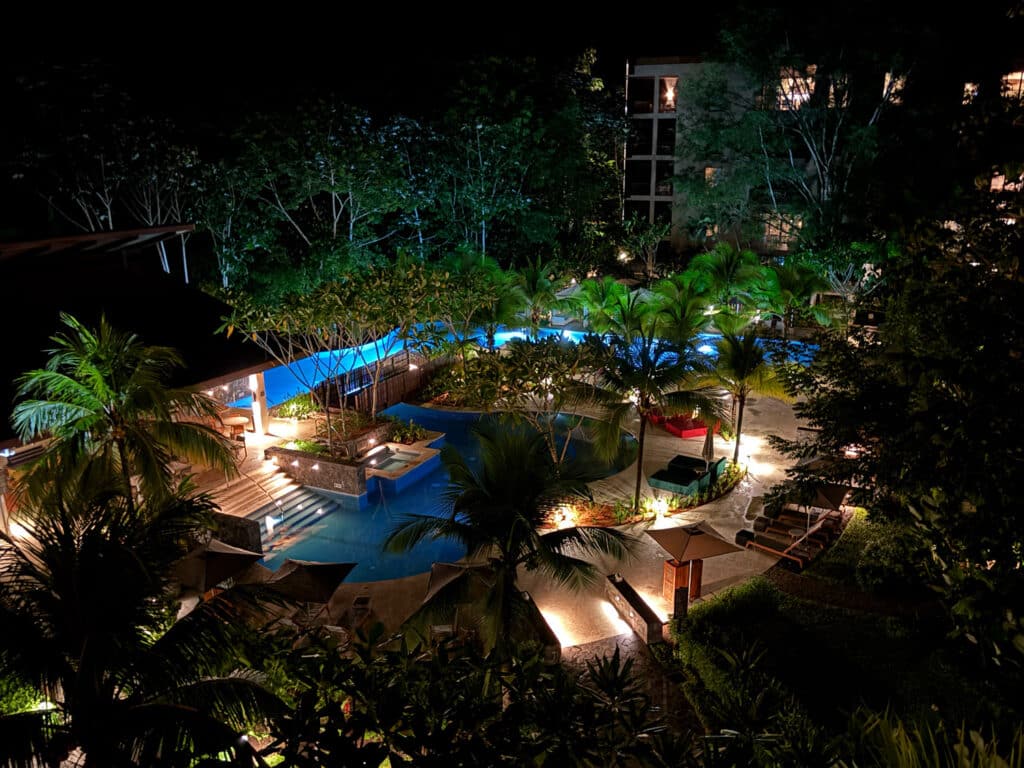
With a private marina lined with a fleet of crewed boats, Crocodile Bay has guided anglers to world-class fishing since 1999. In 2022, the old resort facilities became the offices and outbuildings for the elegant Botanika, Osa Peninsula, Curio by Hilton, with all the trimmings of a luxury resort tucked artfully into the rainforest near the tiny airport in Puerto Jimenez, Costa Rica.
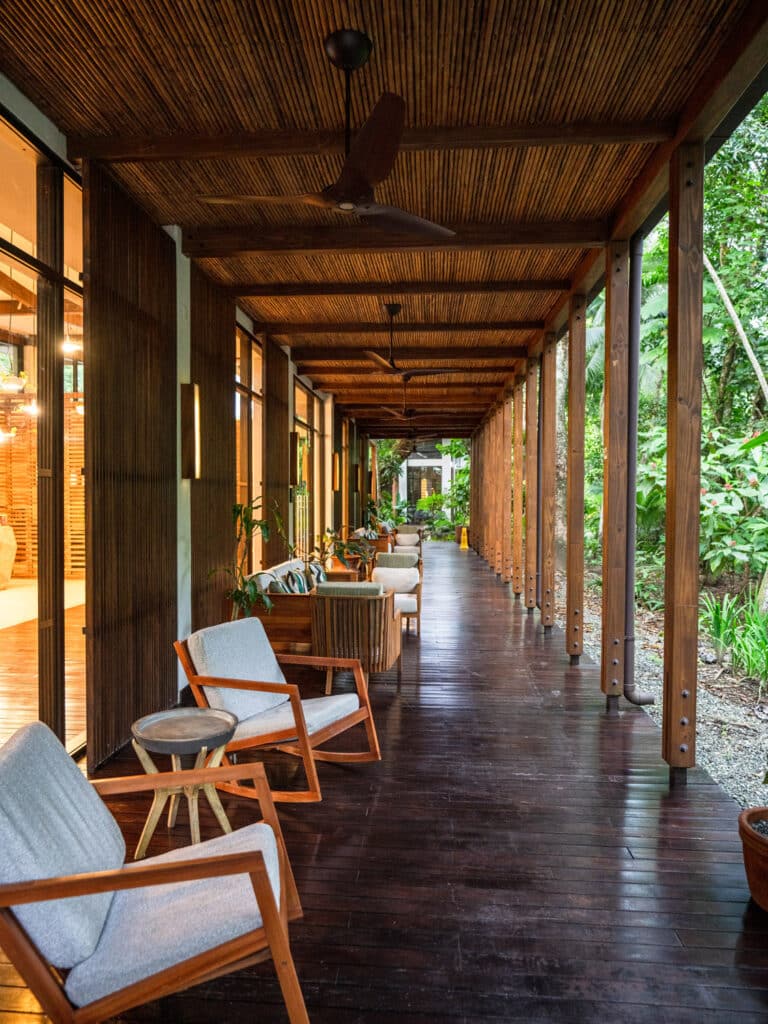
The rooms are elegant and comfortable, the restaurants are delicious, and the pool and pool bar are great for relaxing after a day on the water. There are spa services, loaner bikes, eco-tours and shuttles to town for shopping and dining. This is a place where you can bring your family. If you’re nostalgic for that fishing-lodge feel, take meals at Hard Croc Cafe, where they’ll cook your catch while you shoot pool amid walls decorated with historic grip-n-grins.
Crocodile Bay Jungle Tours
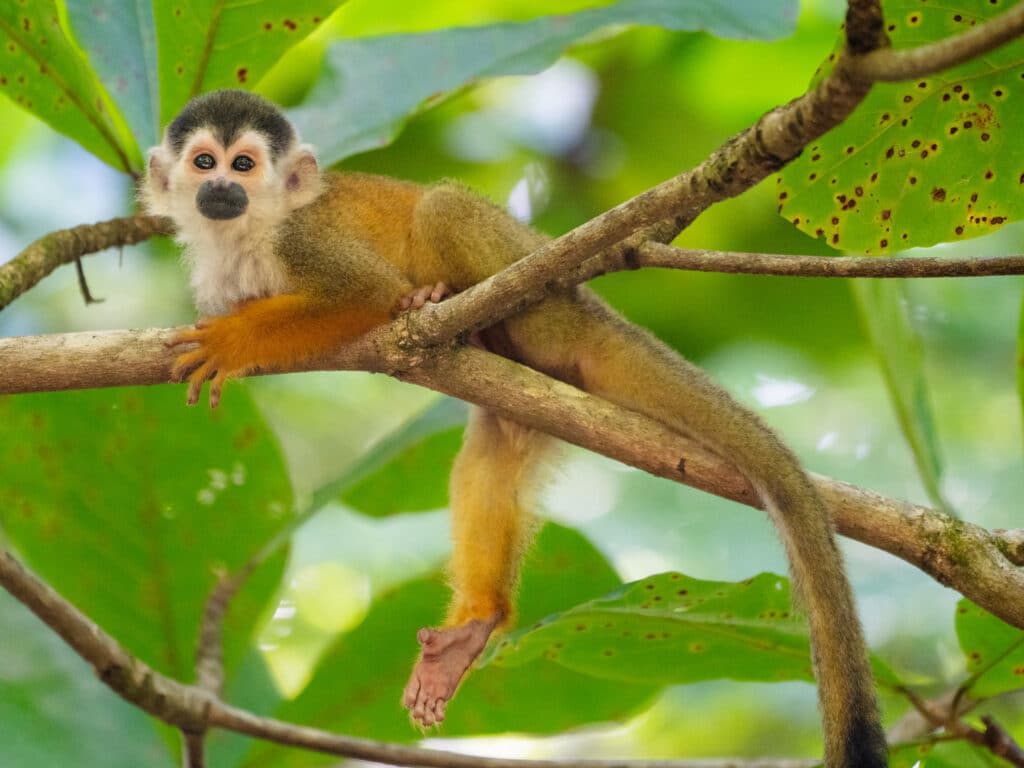
The Osa Peninsula is home to hundreds of square miles of pristine tropical rainforest with some of the highest bio-diversity on the planet. Eco-tourists come to Croc Bay just to witness the incredible ecology of the region, and there are staff members dedicated to providing an insider’s access to local culture and wildlife.
If you go to Croc Bay, don’t miss the opportunity to take a Landcruiser tour through Puerto Jimenez and into the jungle on unpaved roads. Katherine, our guide, had a delightfully wry sense of humor, a wealth of knowledge and a great eye for spotting crocodiles, sloths, macaws, monkeys galore and all sorts of other exotic critters en route to a traditional Costa Rican lunch at an open-air ranch deep in the rainforest.
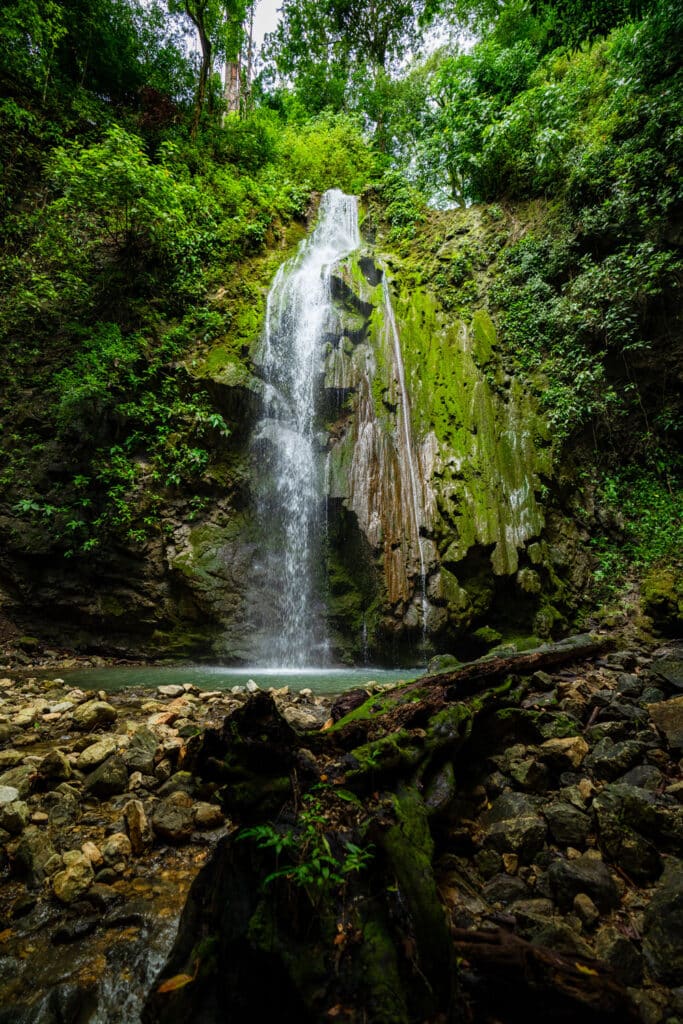
We went to low-key beaches to watch surfers and took a short hike into a towering waterfall, where howler monkeys bellowed in territorial dispute from either side of the ravine. It was an eerie and startling feeling to be surrounded by what sounds like angry demonic ape-dogs. Katherine assured us we were safe. “They’re only mad at each other,” she laughed.