Growing Concern for Striped Bass Post-Release Mortality
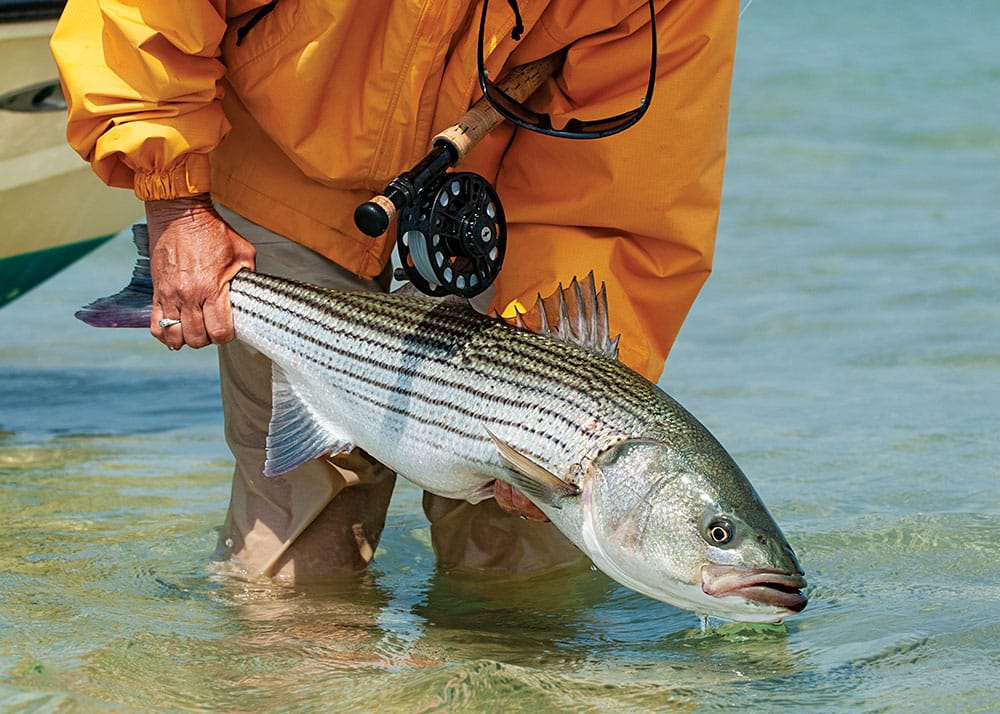
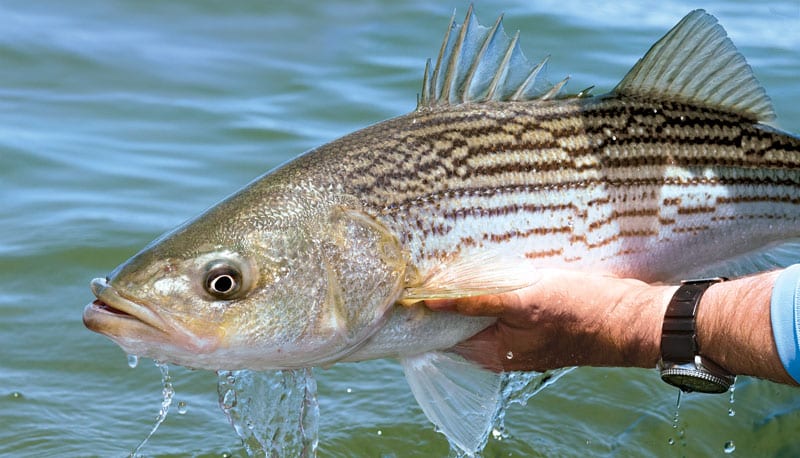
Post-release mortality of Atlantic striped bass is a growing concern. New policies are being created to find a solution.

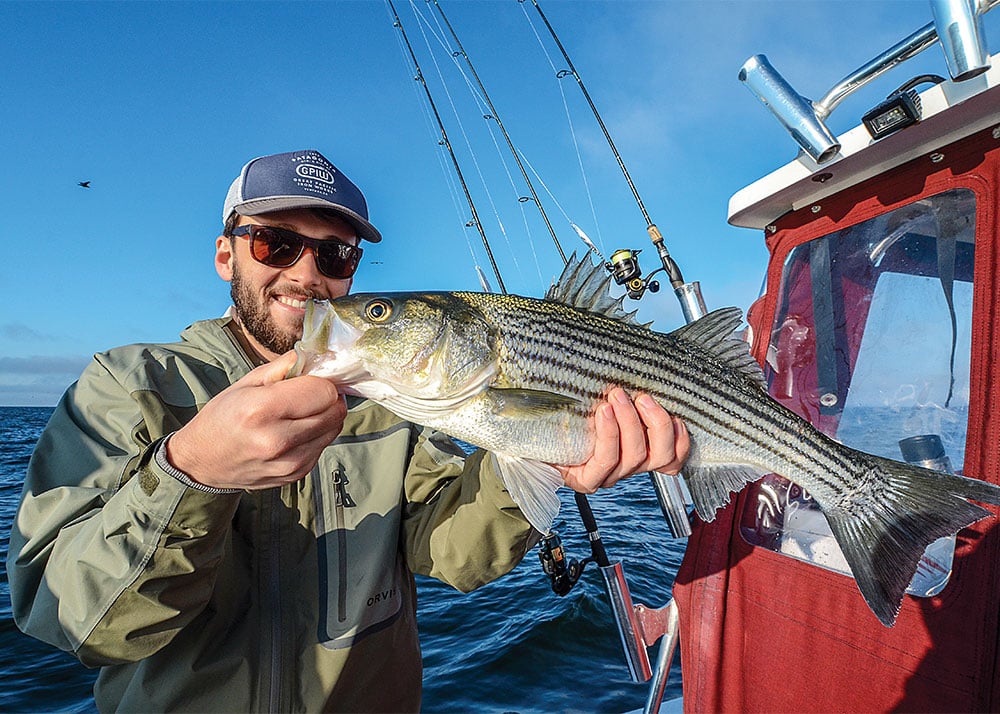
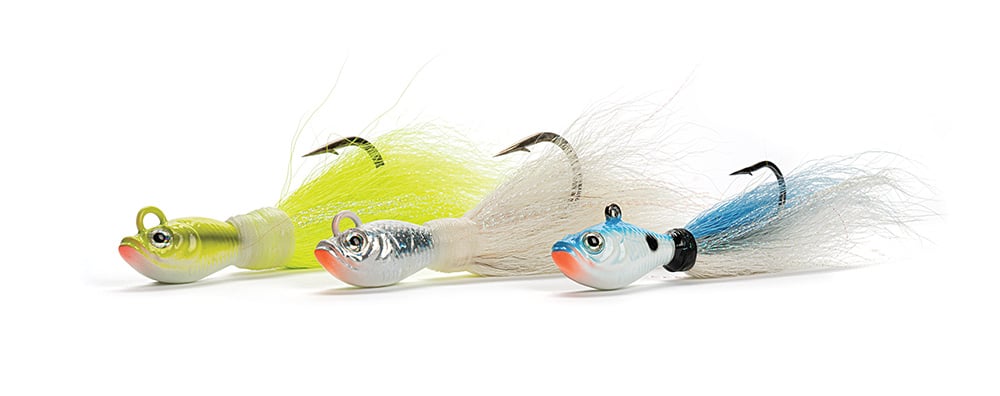
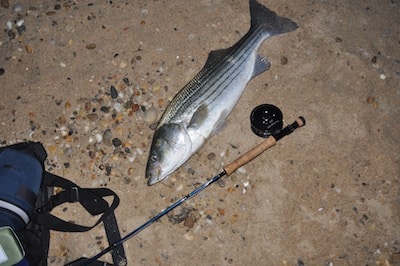
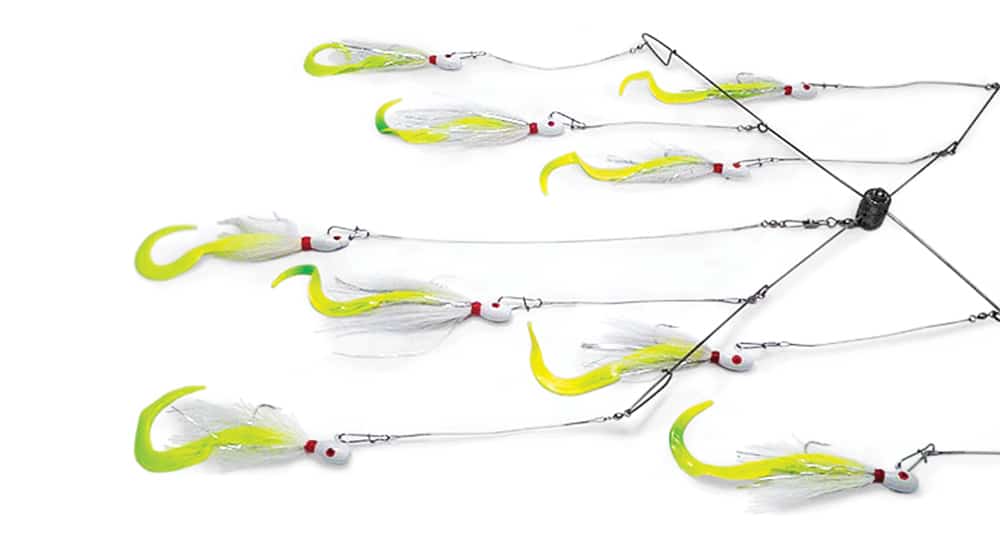
Stripers are taken by casting, drifting, and trolling, and respond to a variety of live, dead and artificial baits on a range of tackle.

Post-release mortality of Atlantic striped bass is a growing concern. New policies are being created to find a solution.

Environmental concerns and consecutive years of poor recruitment have led to a steady decline in the population.
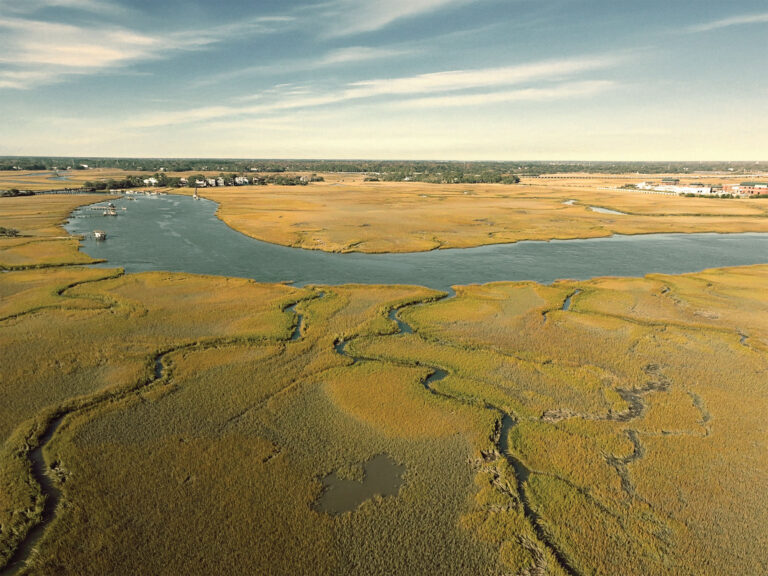
Headed to the marsh for some fishing? Learn which tactics work best when fishing for Jersey stripers or Carolina redfish.
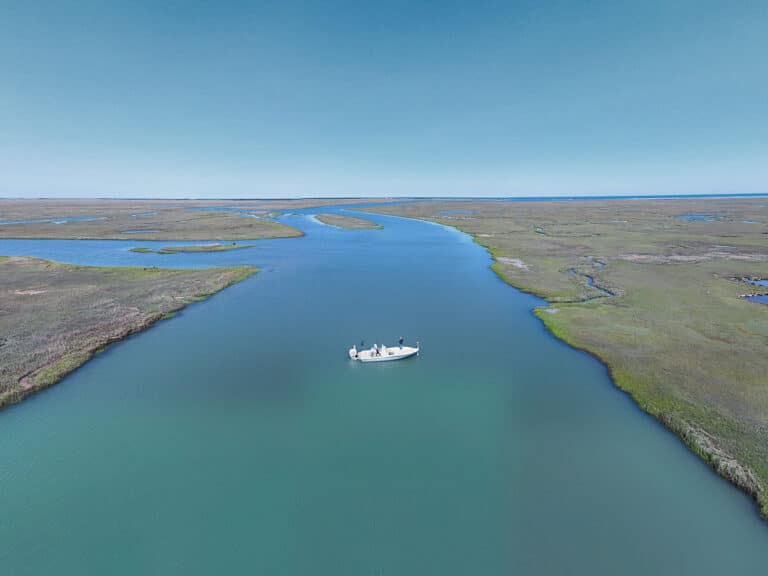
Finding and catching skinny-water stripers requires unique skills. Learn how to improve your knowledge and tactics.

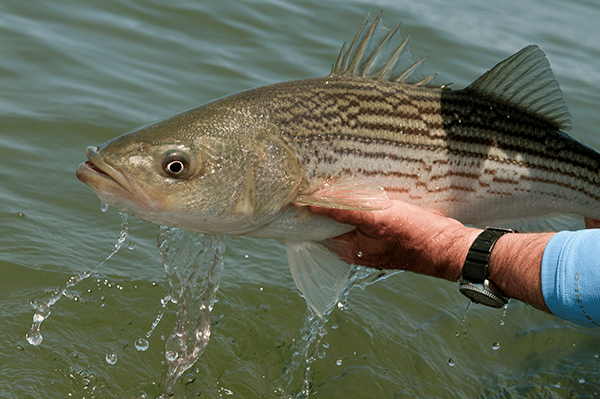
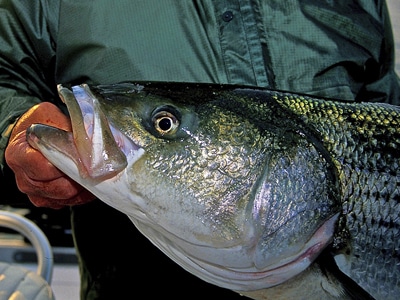
Once resident to the entire Atlantic coast and northern Gulf of Mexico, in their current range stripers still define an entire culture of anglers in the Northeast and Mid-Atlantic. Migratory and anadromous, this popular game fish moves into nearshore waters in the spring following their spawning in Chesapeake Bay, Massachusetts Bay/Cape Cod, Hudson River, and the Delaware River. Viable populations also persist on the west coast, from San Francisco Bay to southern Oregon, the remnants of fish transplanted in 1879.
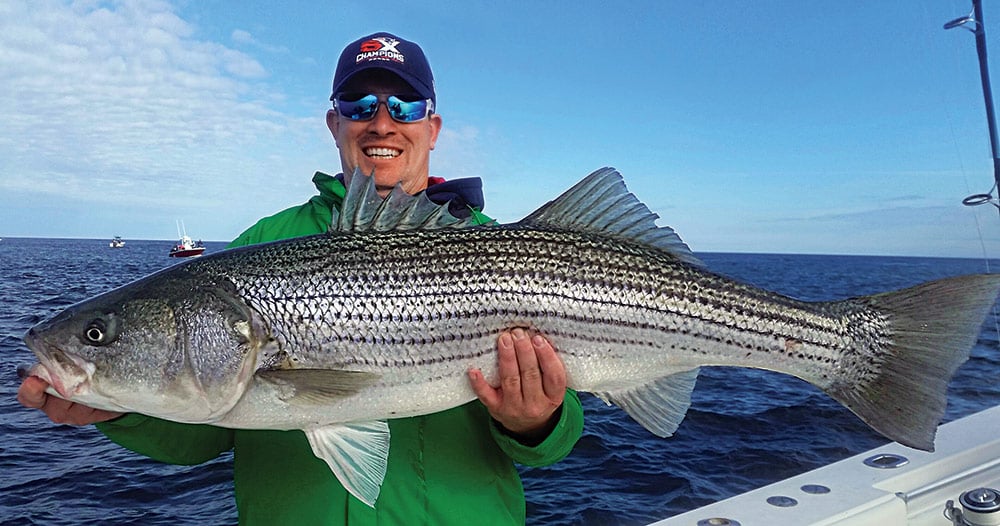
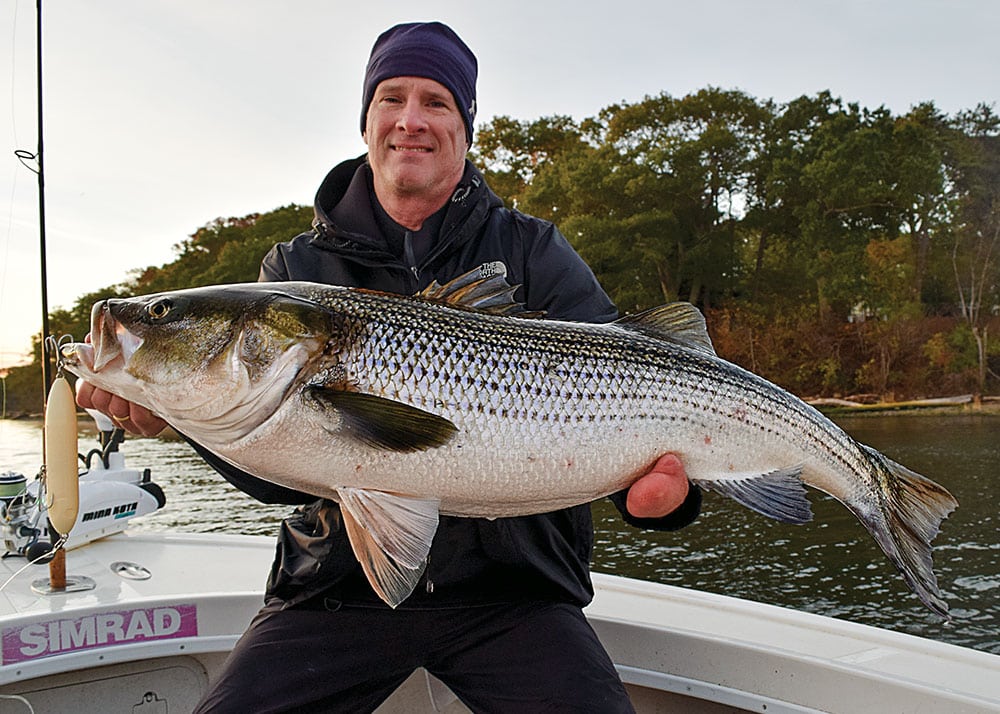
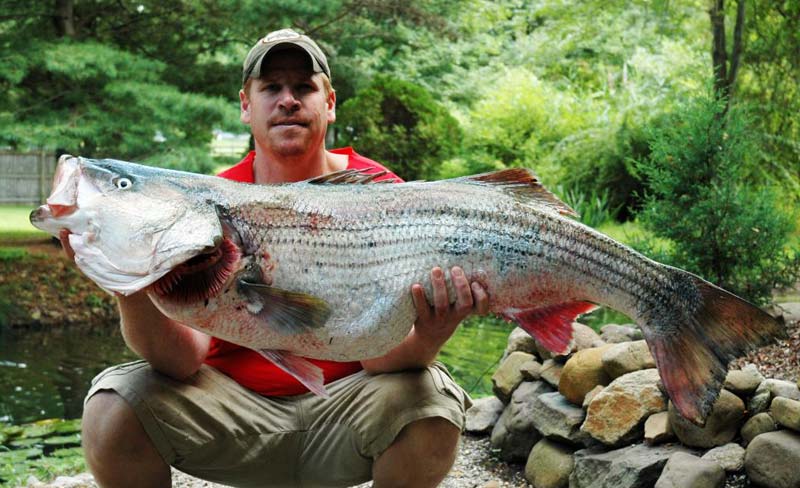
Stripers are taken by casting, drifting, and trolling, and respond to a variety of live, dead and artificial baits on a range of tackle. While their maximum weight exceeds 80 pounds, most catches run 20 pounds or less; a 50-pounder is a trophy, benchmark enough for a lifetime angler to claim bragging rights. Striped bass have white meat with a mild flavor and medium texture that lends itself to a full range of recipe preparations.