With approval of exempted fishing permits (EFPs), South Atlantic recreational anglers in North Carolina, South Carolina, Georgia and Florida will enjoy extended red snapper seasons in the Atlantic this summer.
The expanded 2026 red snapper seasons are pilot programs allowing the states to refine recreational data collection, similar to the process that turned red snapper management over to the states in the Gulf of America in 2020.
Florida’s season opens May 22, runs 39 days, and will be split into summer and fall seasons. North Carolina, South Carolina and Georgia seasons open July 1 and will run for 62 days.
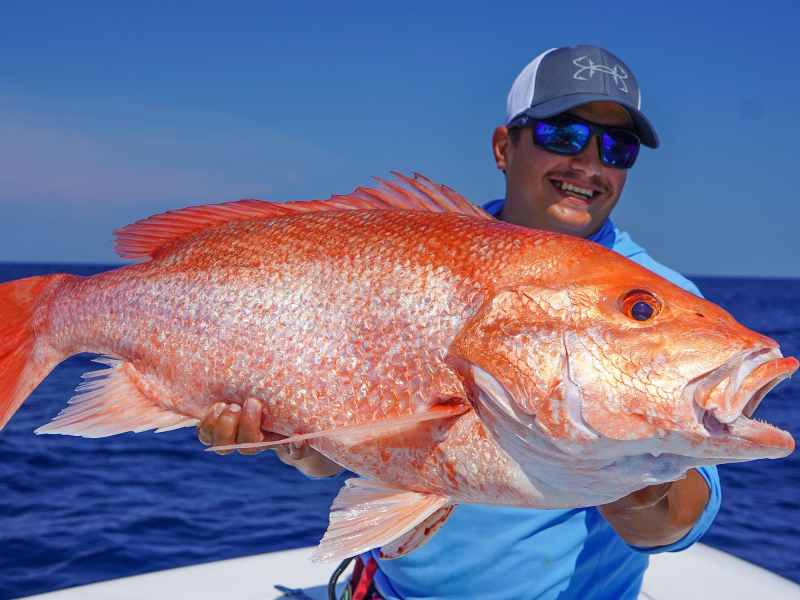
Recreational Bag Limits Red Snapper
Under the EFP applications, the states requested the following bag limits.
Florida:
Red snapper will be regulated under a 10 snapper-grouper aggregate bag limit per person, of which one red snapper may be retained per person. Once the aggregate limit has been attained, anglers will be required to stop bottom fishing.
Georgia:
Anglers will be allowed to keep one red snapper per person per day with no minimum size limit. Captain and crew on charter or headboat trips will be prohibited from retaining their daily creel of red snapper.
South Carolina:
One red snapper per person per day with a 20-inch (total length) minimum size limit. Captain and crew on for-hire trips will not be allowed to retain red snapper.
North Carolina:
Private recreational anglers will be allowed to harvest one red snapper per person, or four per vessel per day, whichever is more restrictive. For-hire operations of six or less passengers will be allowed to harvest one red snapper per paying customer per day with a vessel limit of four, whichever is more restrictive. Headboat captains (for-hire operations with more than six passengers) will be allowed to harvest 20 red snapper per vessel per day. For-hire captain and crew will be excluded from possessing a bag limit of red snapper.
Background on South Atlantic Red Snapper
For more than 15 years, anglers have suffered under severely limited red snapper seasons. Even with red snapper abundance at record-high levels, NOAA’s federal fisheries managers allowed just two days of snapper harvest in 2025 and one day in 2024. The justification was dead discards.
In the summer of 2024, based on highly suspect data, NOAA said too many fishermen were catching and releasing too many red snapper because snapper abundance was so high. Despite regulations for circle hooks and descending devices, those released fish were supposedly dying at such a rate that the recreational sector used up almost all of its total annual catch limit without even having a season.
These extremely short seasons led to compressed fishing effort during the limited openings, further skewing numbers in NOAA’s flawed MRIP data collection program. This summer’s EFPs are designed so individual states can eventually manage red snapper in state and federal waters.
“The American Sportfishing Association (ASA) and our partners have been advocating for meaningful data collection and management improvements for South Atlantic red snapper for a long time,” said Martha Guyas, Southeast Fisheries Policy Director for ASA. “These EFPs are a transformational step in which rebuilding success finally allows for reasonable recreational harvest opportunities and key data will be collected to inform future management strategies. We are grateful to the Trump administration and members of the Congressional South Atlantic Red Snapper Task Force for their support of these EFPs, as well as the Governors, Attorneys General, state legislators, and marine fisheries management agencies of the four South Atlantic states for their leadership in developing these pilot programs.”
State data collection for the 2026 South Atlantic seasons will be reviewed, after which they will be modified and potentially renewed. Eventual state management programs would be developed through the South Atlantic Fishery Management Council.