Boats and motors have become more efficient over the years, but sometimes it’s hard to notice, thanks to the ever-rising cost of fuel and the trend toward larger hulls and more powerful outboards. Suffice to say, today’s boats are more efficient than comparably sized models of yesteryear.
Yet, there are ways to make them even more efficient. There’s no panacea, but taking small steps here and there can make a noticeable difference in fuel economy and range. Here are some tips.
Brand of Gasoline
The federal Environmental Protection Agency (EPA) has standards that all gasolines must meet. Yet, not all gas is the same. In 2004, General Motors, BMW, Honda and Toyota launched a program to give gasoline manufacturers a Top Tier rating if they contained levels of detergents that keep fuel injectors clean, and that helps improve and maintain fuel economy, be it an automobile or a boat. While some deride this as a marketing scheme, AAA conducted an independent study that found there is 19 times more internal engine corrosion when using non-Top Tier gas—corrosion that can clog fuel injectors and create other issues that hurt fuel efficiency.
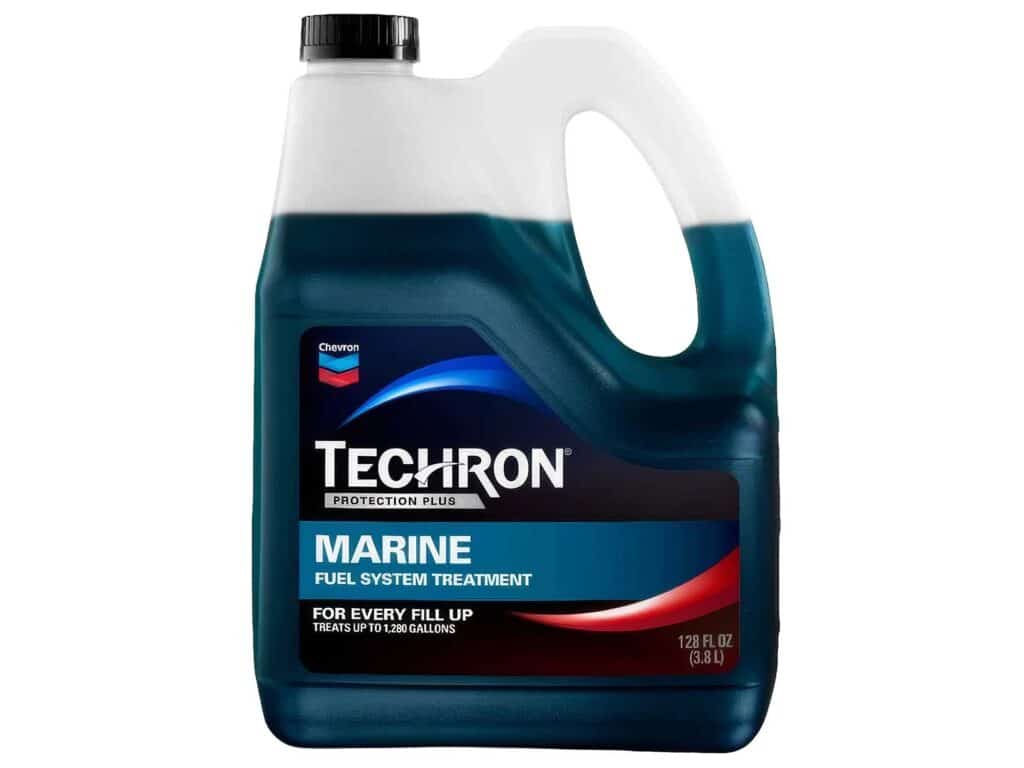
Today, most major gasoline brands at filling stations and fuel docks meet the Top-Tier standard. However, gas from some convenience stores and truck stops does not. To find stations with Top Tier fuel, go to gasbuddy.com or look for the Top Tier sticker on pumps that offer it. If you purchase non-Top Tier fuel, use an additive like Chevron Techron Marine to boost detergent levels and keep injectors and other components in peak condition.
Many boat-owning anglers know the dangers of ethanol-laced gasoline, especially if left untreated in tanks for more than a month. The ethanol can mix with water in a phenomenon known as phase separation. The goopy mix sinks to the bottom of a tank where it is picked up and fed to the engine, leading to poor fuel economy and, worse yet, system damage. Even without phase separation, E10 (gas with 10 percent ethanol) gets about 3 percent worse fuel economy than pure gas. Buy ethanol-free fuel whenever possible.
Prop it Right
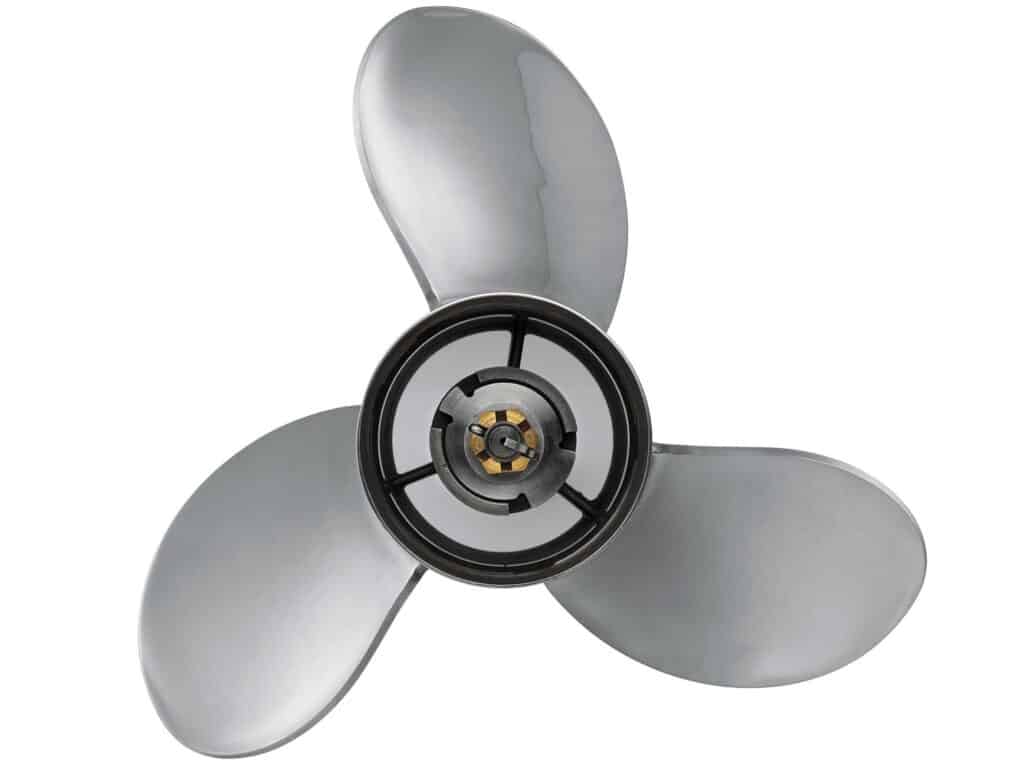
Dialing in the right propeller for your boat depends on several factors. Do you load your boat with fuel, people and gear, or do you run light? In theory, a prop with a higher pitch can push the boat farther with each revolution. But, if it’s too tall, the engine will have to work harder, and it will struggle to launch the boat on plane. An excessively low-pitch propeller can result in over-revving and greater fuel consumption.
While checking out performance bulletins on engine builders’ websites can help with prop selection, keep in mind they are usually running with a minimal payload, and the prop choice might be skewed to produce a higher top speed. Your dealer or prop shop should help you dial in the proper pitch, diameter, and blade configuration to make your boat more efficient for the way you run it.
Periodically check your prop for damage. Even minor nicks can reduce performance and efficiency, and most imperfections can be corrected at a prop shop.
The Happy Speed
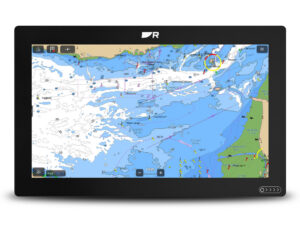
Most newer motors and electronics give captains a readout of the engine’s fuel burn or miles per gallon. Use this info to find the speed range where fuel economy is best. To capture this information for later analysis, shoot a video of this display that also shows speed and rpm, and slowly work through its rpm range, stopping at each 500 rpm increment for a short time.
Experiment with engine trim and note its effect on economy. Cruising while barely on plane tends to burn more gas because there’s more wetted hull surface than when going faster. But there is also a speed on the upper end where fuel economy drops off quickly, so if saving money and increasing your fishing range is more important than speed, avoid going full blast for long periods. However, you don’t want to run at one speed either. To increase longevity, most engine builders recommend altering rpm while cruising and occasionally going to maximum rpm to blow out carbon deposits if conditions safely allow it.
Read Next: 10 Common Solutions for Boat Engine Problems
Check the Plugs
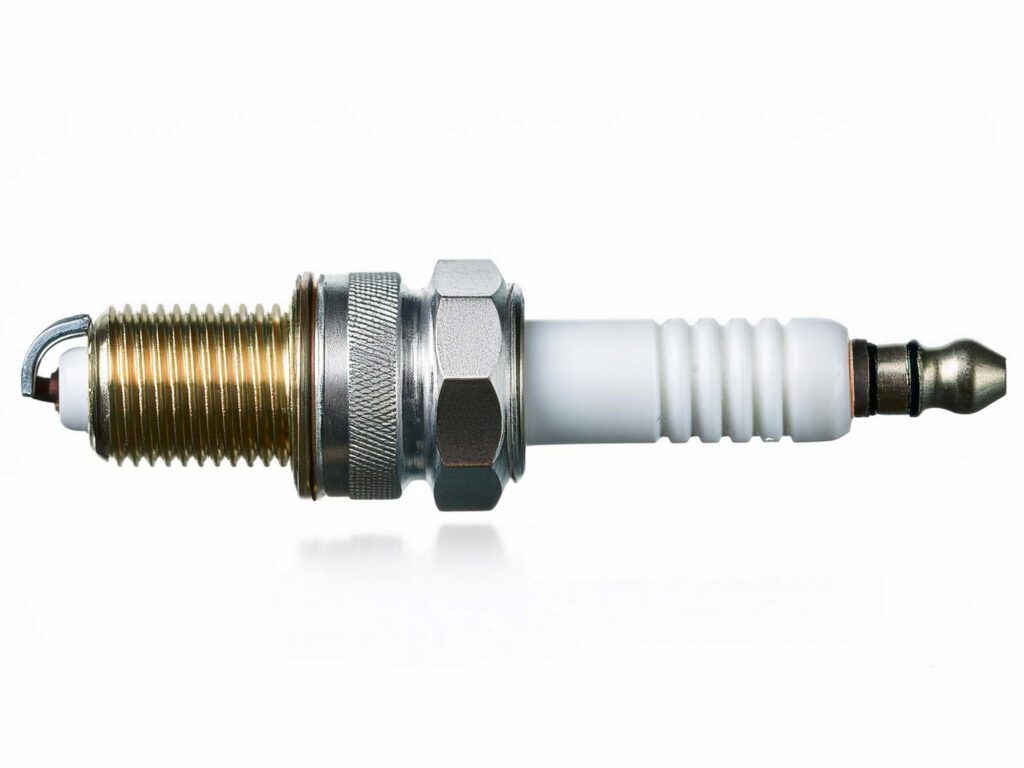
Running at low speeds for long periods, like when trolling, can cause carbon build-up inside the engine. Occasionally, check the spark plugs. If there is a sooty build-up, chances are good the same thing is happening inside the combustion chamber. Both conditions can degrade fuel efficiency.
Typically, this build-up is caused by unburned gas, which indicates a problem elsewhere. Something simple like a clogged air intake could cause the engine to be starved for air, making it run too rich (more gas than air). Other causes, such as a weak spark, a clogged exhaust, or a clogged injector, can cause build-up.
To prevent these issues and return the engine to running at optimum efficiency, follow all service recommendations. Every few hundred hours of operation, perform a decarbonization using a fuel additive like Mercury QuickClean, Yamalube Ring Free or Sea Foam.
Fuel Load
About 15 years ago, I attempted to take a 25-foot Cape Horn center console powered by a single Yamaha F300 outboard nonstop from Destin, Florida, to Key West—a distance of 513 miles. Our boat had a custom 250-gallon fuel tank, and when tanked up, it added an extra 1,500 pounds to our payload. When combined with the Cape Horn’s 24 degrees of deadrise, its wake resembled that of a Malibu wakesurf boat, which seriously reduced its fuel economy. Here’s the Catch 22: It takes extra gas to bring more gas, so one lesson I learned was to carry just enough fuel to meet the rule of thirds: 1/3 for going out, 1/3 for returning, and 1/3 in reserve.
Handy Tools
Another lesson I learned from that marathon attempt was how much fuel autopilot saves. Our unit’s rudder position sensor failed shortly after we started, and keeping the boat on a steady course proved challenging when running at night. Our track went from ruler-straight to failing a roadside sobriety test, which increased the distance we needed to cover.
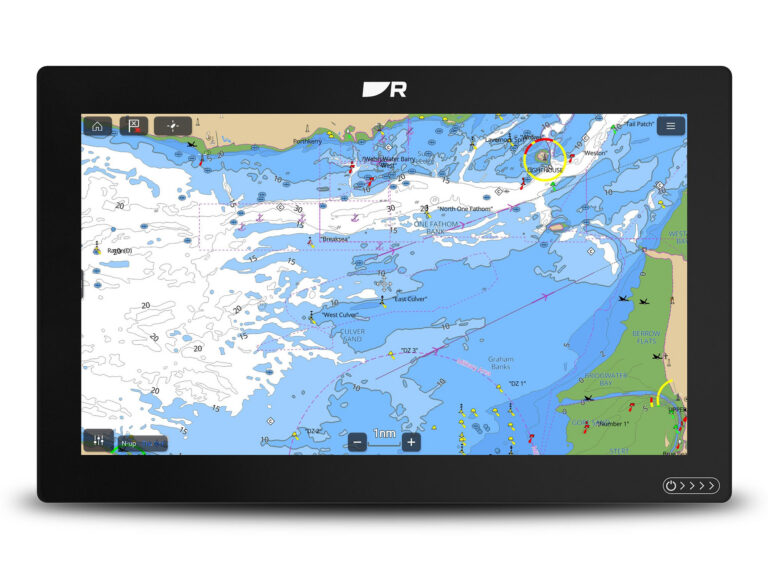
Ultimately, our mission failed, and we diverted to Tampa, Florida. Also, when setting the autopilot, don’t use Heading Hold mode, or the boat will have a curved track or it can even drift off course. Instead, use Course Over Ground mode to run a straight line to your destination—boosting fuel efficiency.
Automatic boat control systems like Seakeeper Ride, Bennett Auto Trim, and Lenco’s Auto Glide Boat Leveling use controllers or trim tabs, along with sensors and microprocessors, that can improve efficiency by keeping a boat’s running attitude at the most effficient angle.
Improving your boat’s fuel economy not only saves money at the pump, it also increases range to allow you to fish places others can’t reach. A boat that’s maxed out in efficiency performs well and costs less to maintain.