
Two factors motivate boat buyers to add a fishing tower. First, to most anglers, towers look cool. They are impressively macho and some buyers want one based on looks alone. Then there are the hardcore anglers who focus purely on functionality when it comes to fishing for species such as cobia, mahi, marlin, sailfish or tuna.
A tower elevates an angler’s point view, making it easier to see birds, weed lines, kelp paddies and tailing fish from a greater distance. A tower also lets you peer deeper into the water around the boat than you might from deck level, helping anglers spot fish in crystal-clear depths.
No matter which category you fall into, you need to consider a number of facets when choosing a tower for your next fishing boat. Keep the following eight factors in mind.
Elevation Options
Three common types of towers for fishing boats exist today, each known in ascending order of elevation as 1) stand-on-console towers, 2) marlin towers and 3) gap towers. Select your tower is based on how high you want to be; the higher the tower, the greater the visibility and distance you can see. That said, the size of the boat also affects which type of tower will fit best. Taller gap towers require a larger boat to help ensure vessel stability—you’ll need a boat that is at least 35 feet in length with a minimum beam of 10 feet.
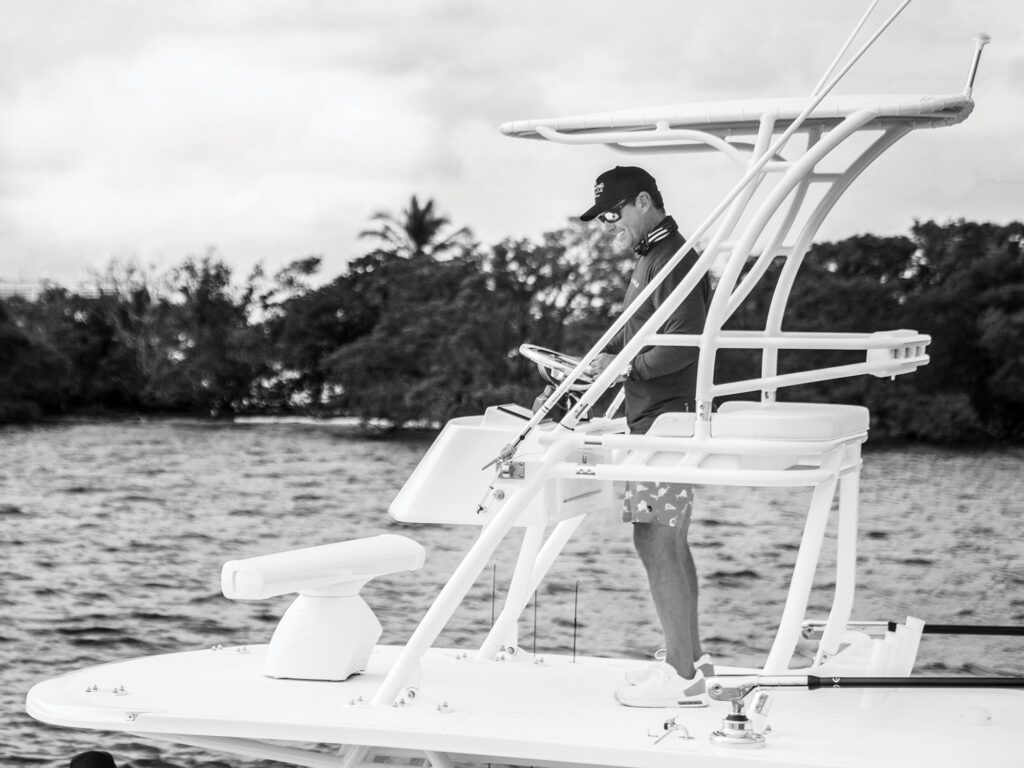
Console Tower
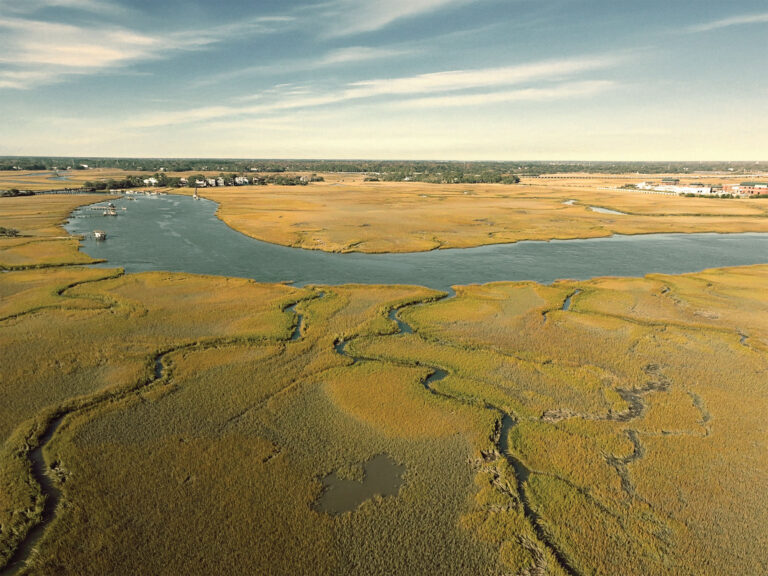
With a console tower, you stand on top of the center console or on a small platform just above the console for extra elevation. These work well on smaller fishing boats such as bay boats and hybrids. Offering four to five feet of extra elevation, they are great for cruising the edge of the mangroves and working marsh grass or other shallow waters while looking for species such as redfish.
Marlin Tower
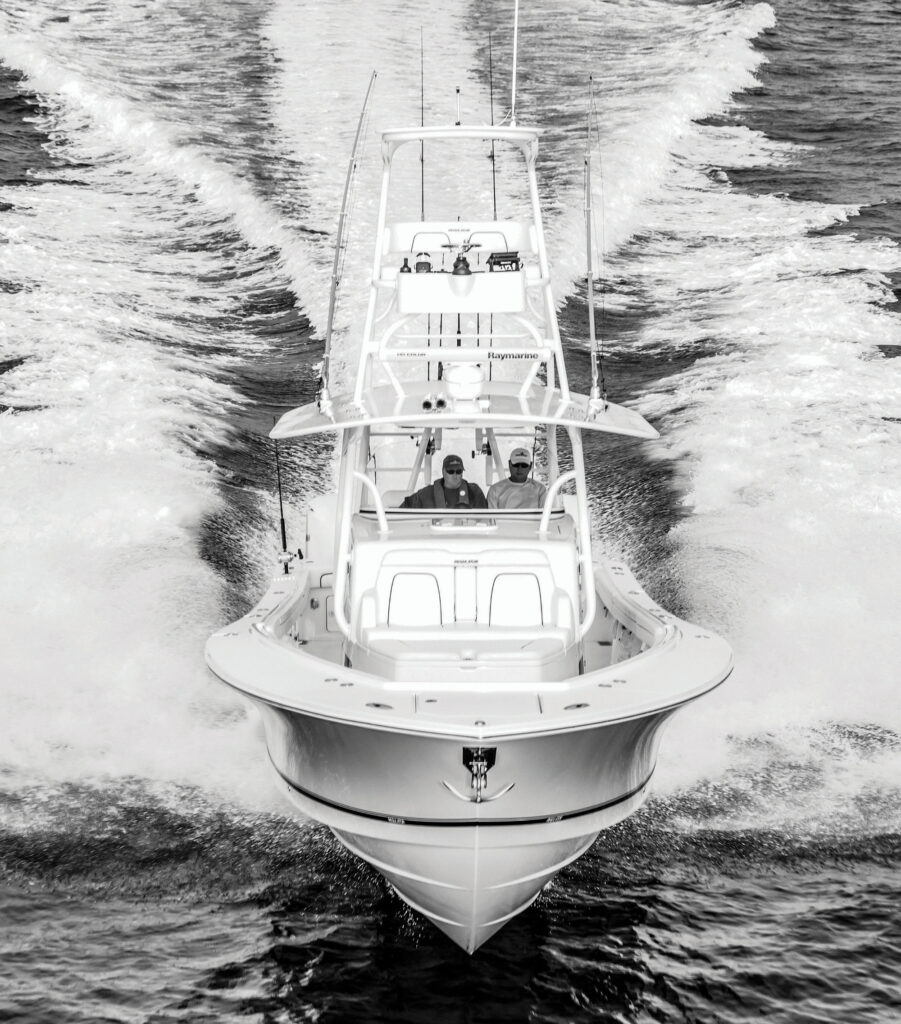
With a marlin tower, the hardtop provides the base for the helmsman while standing aloft. Offering six to seven feet of extra height, marlin towers prove to be the most popular among offshore anglers.
Gap Tower
Tallest of all, gap towers are named for the space between the hardtop and the platform above it where the captain stands. These offer 12 to 14 feet of extra elevation and are largely reserved for offshore boats which, as mentioned earlier, measure 35 feet or more in length with a beam of 10 feet or greater.
Efficiency and Roll
While towers enhance visibility, they also hamper cruising efficiency and accentuate roll. A tower of any sort increases wind resistance, which cuts down on speed and fuel economy. Even though most towers feature lightweight aluminum pipework, they still add weight aloft. That means a tower can also make a boat more tender, which will exacerbate roll in a beam sea. With this in mind, you might seriously consider another option—a gyrostabilizer—if you plan to order a tower.
Storage and Transit
There are also storage and transit considerations. If you plan on dry-stack storage, talk to your marina about the maximum height the facility can accommodate. This might limit the tower height or preclude one altogether. Finally, remember that towers can limit transit under bridges. At the very least, you will need to plan trips to coincide with the regularly scheduled drawbridge openings to and from the fishing grounds.
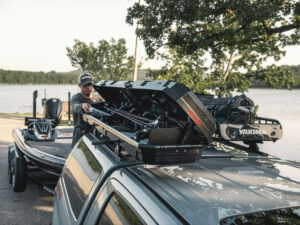
If you plan to trailer your new fishing boat, ask about a tower that can easily fold down so you need not worry about clearing highway bridges, underpasses, overhanging signs or tree limbs and filling station canopies.
Station Considerations
Virtually all towers feature full controls. These “second stations” are must-have items on towers. Thankfully, second-station installations are much easier than in the past, thanks to electronic throttle and shift, as well as electric steering. When ordering a tower, make sure you specify which marine electronics you want aloft so the fabricator can allow space for these displays and controls.
Top and Bottom
You will need to decide if you want shade for the second station in the form of a buggy top, especially if you plan on long hours trolling. Reserved largely for marlin towers and gap towers, these are usually lightweight fiberglass hardtops, sometimes with black aluminum pipework to reduce glare while scanning the waters. For extra comfort, many second stations come with flip-up bench seats, as well as padded rails to cushion the helmsman in rough seas.
Pipework Finish
The best towers feature powder-coated finishes versus the traditional anodized aluminum pipework. Powder coating is applied electrostatically to metal components as a dry polymer powder, then heat cured. It creates a hard finish that’s tougher than conventional paints. Powder-coating also allows for different color choices.
Ultimately, the key to getting the best tower for your boat and fishing needs lies in working closely with the boatbuilder or dealer. These professionals know the right fabricators and possess the detailed insight that ensures a high-quality and ergonomically designed tower that works best on your fishing boat.