Wintertime Trout Fishing on the Chesapeake
As winter approaches and the temperatures drop it’s time to dress warm and fish all night for trophy speckled trout.
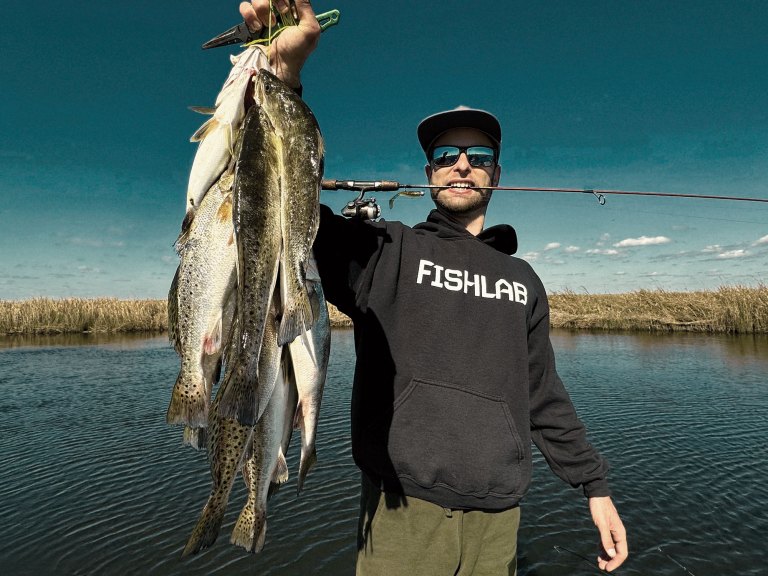
Seatrout usually sought in inshore waters, over grass flats or shell bars where they school and feed.

As winter approaches and the temperatures drop it’s time to dress warm and fish all night for trophy speckled trout.

Use these pro tips to catch trout, redfish and flounder feeding on the epic fall migration of white shrimp in the Gulf.
Thanks to some new rules, and a little luck, Lone Star State anglers are looking forward to the return of giant seatrout.

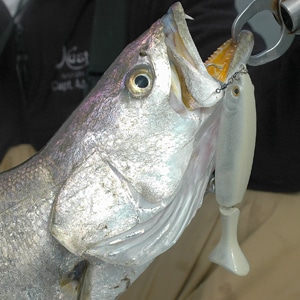
Chasing bull reds and specks through the marshes of Charleston on a fishing adventure with RedFin Charters.
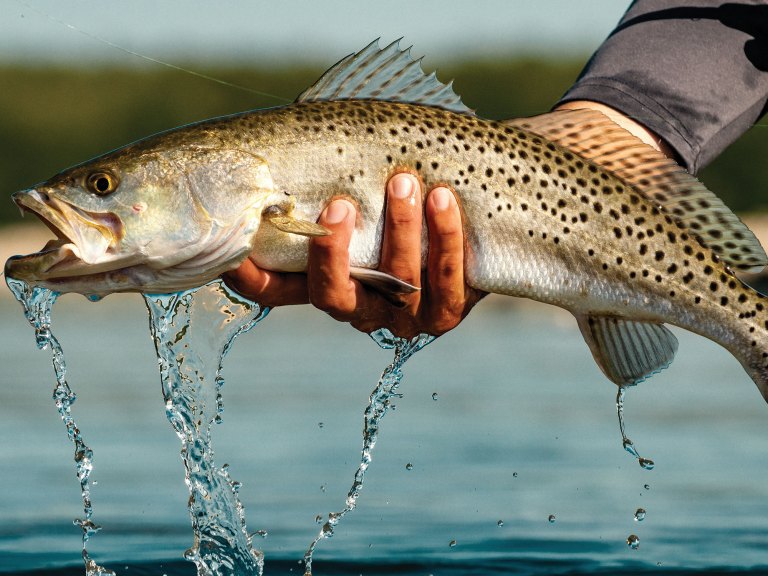
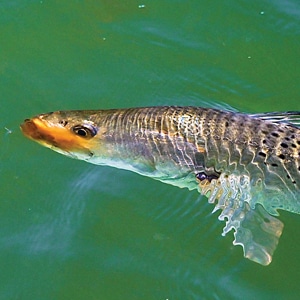
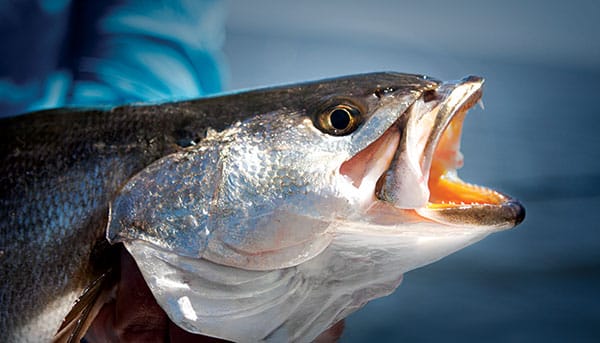
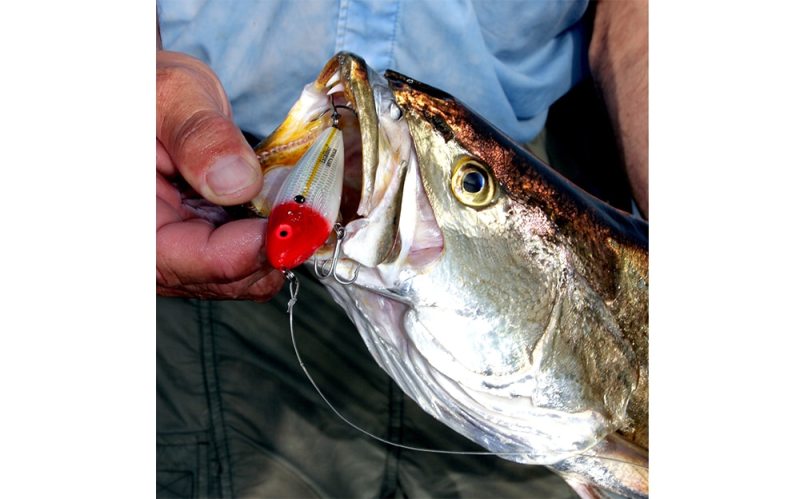
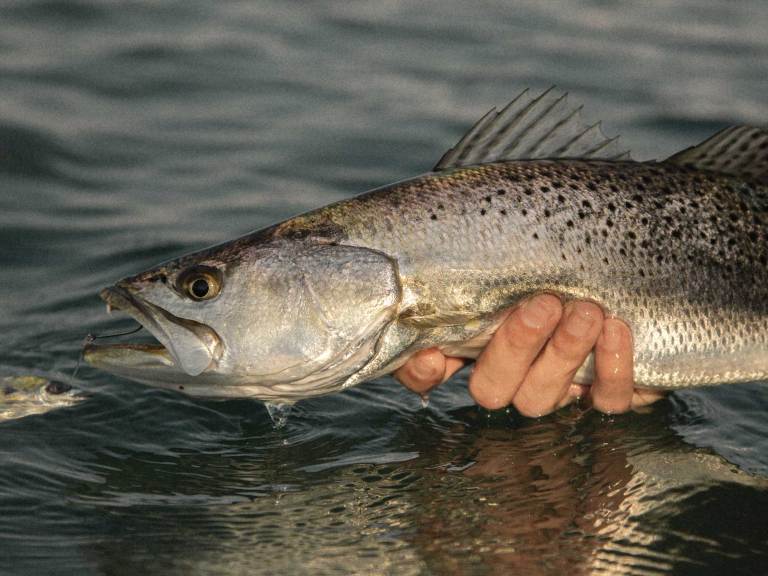
Seatrout generally refers to either weakfish, ranging from New England to Central Florida, or spotted seatrout, from New Jersey to the Florida peninsula and throughout the Gulf of Mexico. Scattered black spots along the body and a prominent mouth surely resemble freshwater species from which “specks” draw their common name.
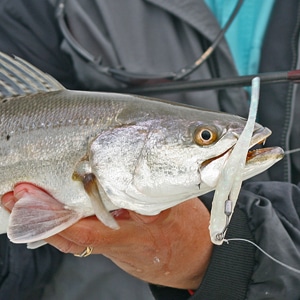
Spotted seatrout average from a couple of pounds up to four or five, with 10 pounds as the trophy grail, and specimens have been caught that top 17 pounds. Central Florida is especially renowned for larger trout. They are usually sought in inshore waters, over grass flats or shell bars where they school and feed. Live shrimp are top baits, though strips and cut bait work well, as do plastic-tailed lures. A popular strategy simulates feeding by splashing a popping cork set a couple feet above the bait or lure, across the surface on light spinning tackle. Quality as table fare is very good.